Amtrak ridership hits record 34.5 million as rail routes pivot to premium eco-tourism
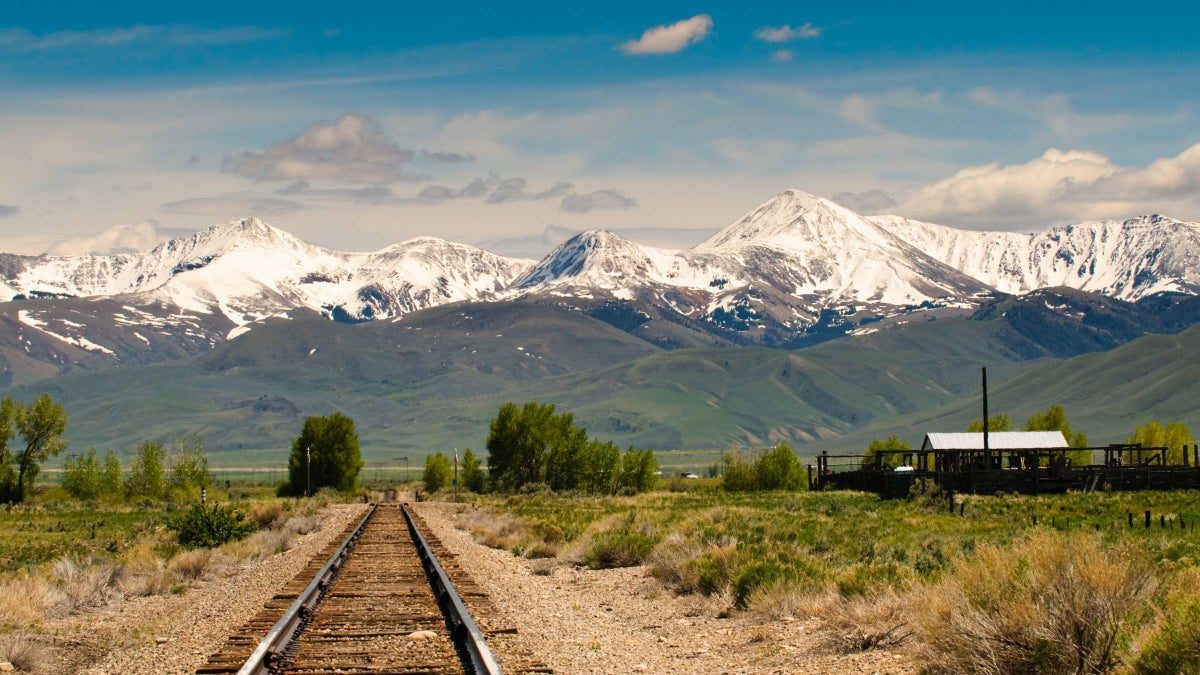
A 5.1 percent jump in US passenger rail demand highlights a growing market for integrated train and adventure travel packages, offering lessons for European transport and tourism investors.
US passenger rail operator Amtrak recorded 34.5 million riders in 2025, a 5.1 percent increase from the previous year. This marks a sustained revival in North American train travel, driven by passenger demand for alternatives to airport security lines and road congestion.
A key driver of this growth is the strategic positioning of scenic routes as premium eco-tourism experiences. The historic Empire Builder line, running between Chicago and Seattle, is increasingly utilized as a multi-day hiking expedition rather than a simple point-to-point transit service.
This operational shift represents a lucrative niche for the broader travel sector. Round-trip fares for the three-day, two-night journey average $600 for a standard coach seat. Prices climb upwards of $1,500 for a private bedroom during peak summer months, reflecting strong pricing power in the adventure travel segment.
The route leverages high-value natural assets across multiple states to justify these premium price points. Passengers can disembark at designated stops to access extensive trail networks. This includes over 700 miles of combined trails in Montana’s Glacier National Park, accessed via the East Glacier Park stop.
The itinerary also captures value from lesser-explored regional parks. Travelers can reach the rugged badlands terrain of North Dakota’s Little Missouri State Park from Williston, or explore the sandstone cliffs and slot canyons of the Wisconsin Dells.
Additional stops integrate urban and natural landscapes to broaden the route's appeal. Hikers can traverse the 210-mile Outerbelt trail in Chicago before departure, or visit the Mississippi River bluffs at Perrot State Park and Great River Bluffs State Park near Winona, Minnesota. The route even includes niche stops like Sandpoint, Idaho, providing access to trails along Lake Pend Oreille.
For European travel operators and investors monitoring the transatlantic leisure market, this trend underscores a rising consumer appetite for seamless, low-carbon adventure travel. The model demonstrates how legacy rail infrastructure can be effectively repurposed to capture premium tourism revenue and diversify transport company income streams.