Traditional crafts fuel modern design economy and urban regeneration in Guadalajara
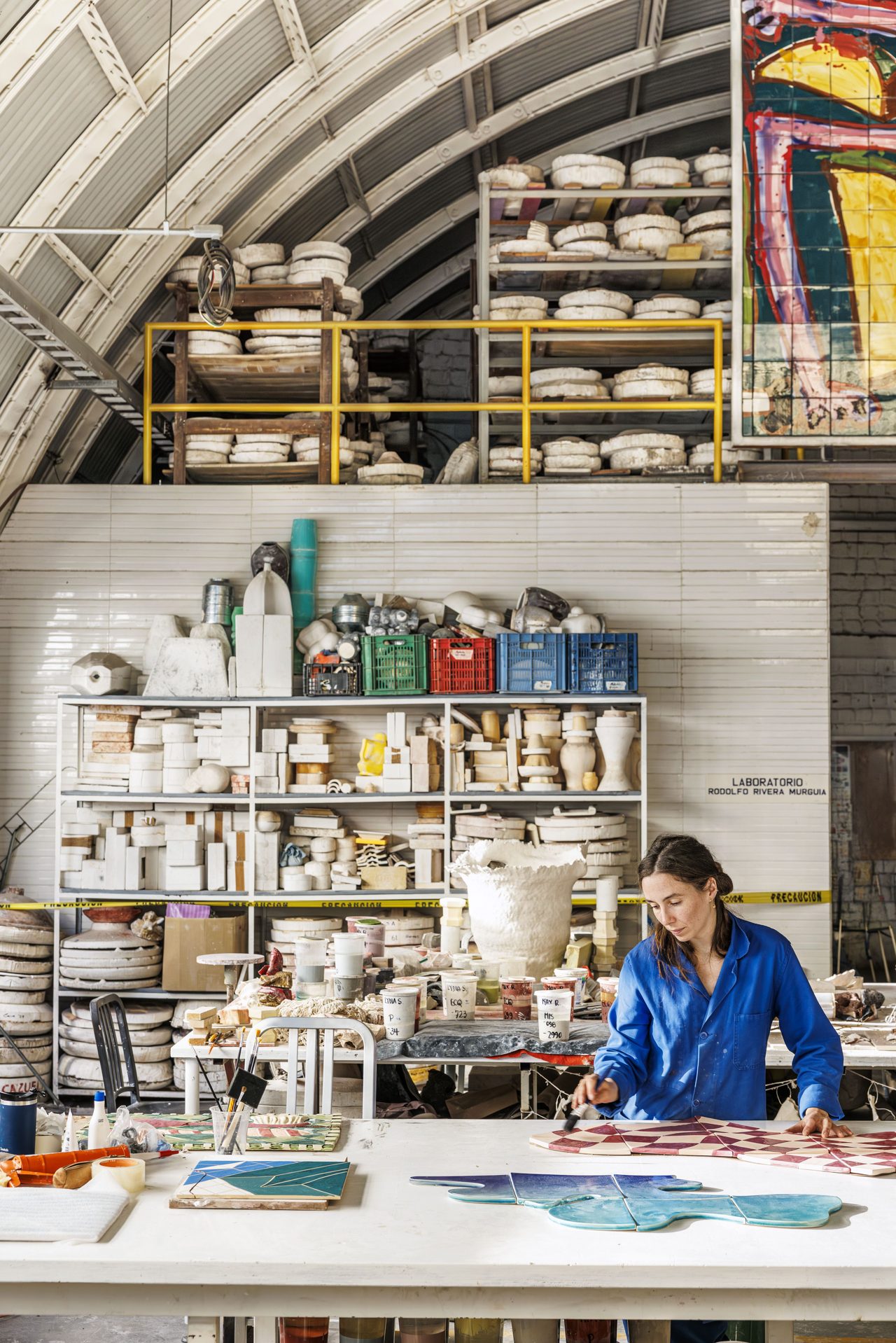
Guadalajara is integrating its historic artisanal trades into contemporary architecture and design, creating a distinctive economic model for urban regeneration in Latin America.
Guadalajara is positioning its historic artisanal trades, known locally as oficios, as a central pillar of its modern design and urban regeneration economy. The metropolis of nearly six million residents is actively merging traditional craftsmanship with contemporary commercial development.
This focus on craft represents a corrective measure for a city that previously demolished large swaths of its historic center during mid-century modernization. Architect Oliver Pendragón states that tearing down historic properties was basically an atrocity, leaving residents lacking in architectural memory.
Today, forward-looking designers are reversing this trend by embedding local vocations into new projects. Design researcher Francisco Chavarría observes that integrating craft into buildings is a matter of regional identity.
The city already possesses deep cultural capital, being the birthplace of figures like muralist José Clemente Orozco and architect Luis Barragán. However, translating this heritage into a cohesive modern economic strategy requires deliberate urban planning.
This shift is visible in neighborhoods like La Americana, where modernist structures are dignified by handmade earthenware brise-soleil shading and golden limestone. Contemporary spaces such as Plataforma, a repurposed funeral home turned art space, showcase these colonial building techniques alongside modern design.
The commercial ecosystem supporting this movement is expanding rapidly. José Noé Suro, director of Cerámica Suro and co-founder of Plataforma, describes the space as a place to take the pulse of the city’s design scene.
Local enterprises are actively capitalizing on this momentum across the city. Showrooms like Occidente and studios such as Lofa Ceramics and Musgo are transforming regional traditions with modern techniques, including 3D printing and Japanese-inspired mineral glazes.
The supply chain for this design boom is anchored in municipalities like Tonalá, which has been absorbed into greater Guadalajara. Sofía Cruz del Río Castellanos, former director of Jalisco’s state agency for craft development, identifies Tonalá as the primary production center where this craft is actually made.
For investors and urban planners, Guadalajara offers a practical case study in leveraging cultural heritage for economic advancement. By formalizing and integrating artisanal supply chains into high-value design markets, the city is building a resilient, identity-driven economic model.