Andreessen Horowitz leads US data center election spending push
Silicon Valley venture firms are deploying tens of millions of dollars into US midterm elections to secure local approval for artificial intelligence data centers, highlighting the immense financial stakes of the global infrastructure race.
A new political group called Build American AI is launching an advertising campaign costing millions of dollars in key US battleground states to promote the construction of artificial intelligence data centers. The initiative targets voters in Kansas, Ohio, and Wisconsin, where local opposition to these facilities has become a major issue in statewide midterm elections.
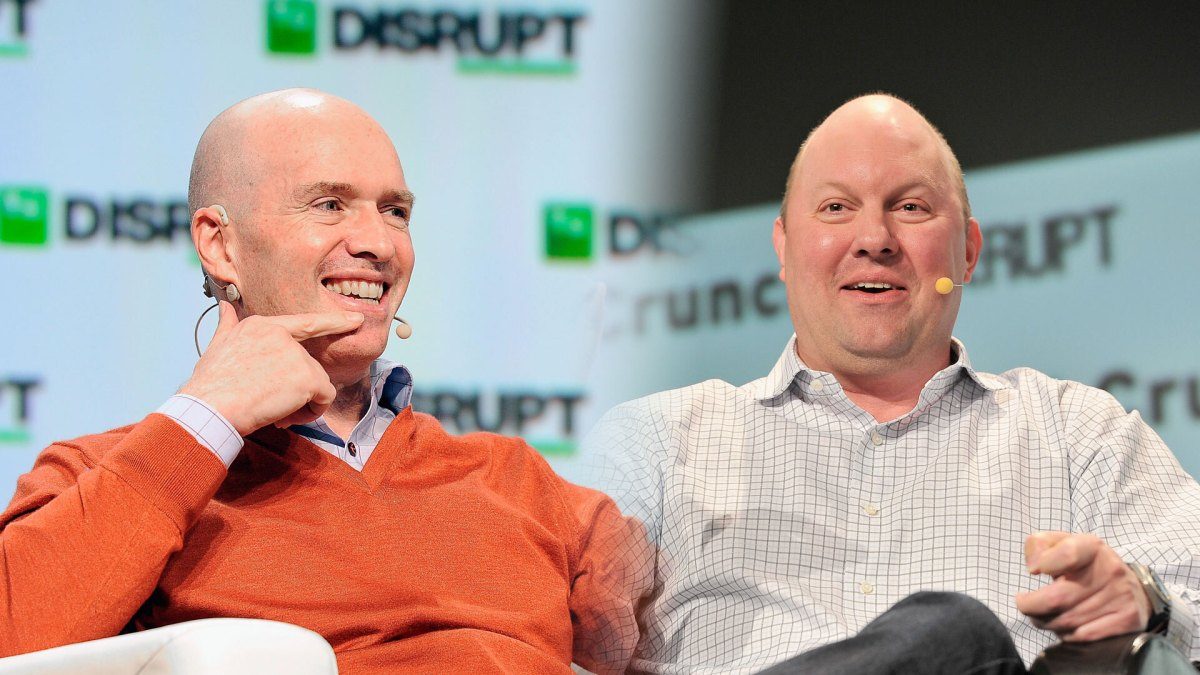
The campaign is backed by Leading the Future, a super political action committee that launched with more than $50 million in funding. This financial muscle comes from prominent venture capitalists Marc Andreessen and Ben Horowitz, alongside OpenAI President Greg Brockman. For European investors and technology firms, this underscores how deeply US capital is now entangled in local infrastructure politics to secure the physical footprint required for the artificial intelligence boom.
Leading the Future uses its war chest to donate to politicians who support the technology while actively opposing those who lobby against it. The committee's aggressive approach has prompted OpenAI to publicly distance itself from the group in a June blog post.
“There have been questions around Leading the Future (LTF), which has received support from our President and co-founder, Greg Brockman, and his wife Anna,” the company wrote. OpenAI added that it does not direct the group's activities and condemned tactics like astroturfing, stating that advocates must be honest about whom they represent.
The data center push is part of a broader political spending surge by Andreessen Horowitz. The venture firm has disclosed more than $115 million in federal contributions for the midterm elections, making it the largest donor so far.
This total exceeds the political spending of high-profile figures like Elon Musk and George Soros, according to calculations by The New York Times. Beyond artificial intelligence, the firm is also heavily funding pro-crypto efforts through the Fairshake super PAC.
Andreessen Horowitz is not alone in mobilizing capital for political influence. Anthropic, a major competitor in the artificial intelligence space, supports Public First Action, a group that advocates for technology regulation.
For European investors, this massive injection of private capital into US electoral politics highlights how deeply American technology firms are embedding themselves in local governance. While some groups like Public First Action advocate for regulation, others are using direct electoral spending to shape the physical environments where their infrastructure is built.
The outcome of these midterm campaigns will directly impact the speed at which American technology companies can expand their physical operations. European firms watching this space must recognize that securing computing power now requires navigating highly localized, heavily funded political battles.