Alabama Shakes Reunion Highlights Post-Pandemic Shifts in Independent Music
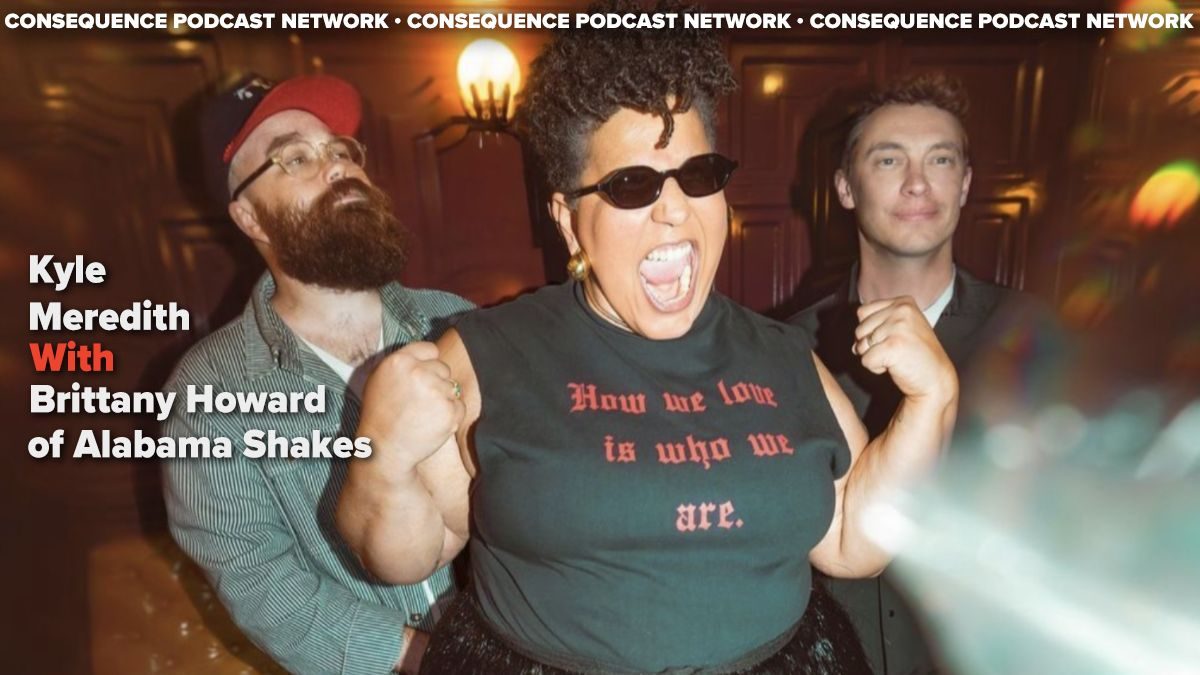
The American band’s return, sparked by a local brewery fundraiser, illustrates how grassroots events are increasingly driving creative and commercial revitalisation in the music sector.
The reunion of American rock band Alabama Shakes after a decade highlights the lingering cultural and economic ripple effects of the pandemic on the independent music sector. The group’s return was catalysed not by a major corporate initiative, but by a grassroots fundraiser for a Tuscaloosa brewery that had been hit hard by COVID-19 disruptions.
Frontwoman Brittany Howard recently detailed this chain of events, noting that the initial performance with bandmates Zac Cockrell and Heath Fogg reignited their creative partnership. What began as a brief surprise appearance playing “Hang Loose” and “Hold On” evolved into formal rehearsals and ultimately a full third album, I Must Be Dreaming.
For the broader music industry, this trajectory underscores a notable shift in how established acts are revitalising their commercial and artistic viability. Rather than relying on safe, nostalgia-driven reunion tours, the band explicitly avoided recreating their earlier acclaimed works, Boys & Girls or Sound & Color. Howard noted the creative process was instead driven by asking each other, “What are you into now?”
The resulting album wrestles with contemporary anxieties, reflecting a wider public mood. Howard described experiencing significant creative paralysis during the process, admitting she “very much wanted to almost disappear because it’s easier that way.”
However, the project’s completion signals a resilient segment of the creative economy, where artists are finding new frameworks for collaboration outside traditional industry pressures. Howard discussed these themes in a recent podcast interview, emphasising collective agency in navigating current global fractures.
She stated, “There’s no leader and there’s no savior. We are leaders. We are the saviors,” arguing that societal anger and outrage can serve as evidence that communities are finally ready to move forward. The frontwoman concluded by urging greater mutual responsibility, stating, “I think it’s time for more responsibility for ourselves, but also for each other, taking care of each other.”