Western allies tighten economic pressure on Russia amid escalating hybrid warfare
The United States and European allies are tightening financial and maritime sanctions on Moscow while confronting a surge in hybrid attacks, signaling that economic relief remains strictly conditional on an end to the war in Ukraine.
The United States and European allies are sharply escalating economic and maritime pressure on Moscow, making clear that no financial relief will be granted while the war in Ukraine continues. US Treasury Secretary Scott Bessent delivered this message directly to Russian Finance Minister Anton Siluanov at a G20 finance leaders’ meeting in North Carolina. A source confirmed that Bessent ruled out any agreements of any kind until the conflict ends.
In London, the UK government is targeting the shadow financial systems that underpin Russia’s war economy. Finance Minister John Healey announced that penalties for sanctions breaches will double from 50 percent to 100 percent of the breach value. Concurrently, the EU’s naval mission boarded the suspected Russian shadow fleet oil tanker MV Sun in the Mediterranean for flag verification, according to EU foreign policy chief Kaja Kallas.
These measures coincide with a push to reshape global energy trade dynamics. Ukraine’s top sanctions official, Vladyslav Vlasiuk, is visiting Washington to urge the US House of Representatives to pass sweeping sanctions legislation. The proposed law would authorise tariffs on countries, including China and India, that continue to purchase Russian oil and gas, though some US lawmakers remain wary of potential executive overreach.
The economic crackdown unfolds alongside intensifying hybrid and physical threats across the continent. Polish prosecutors are investigating a deliberate fire at the WB Electronics drone factory in Skarzysko-Kamienna as an act of terrorism arranged by a foreign intelligence service. This aligns with broader warnings from eastern European nations about a sustained Russian campaign of spying and sabotage.
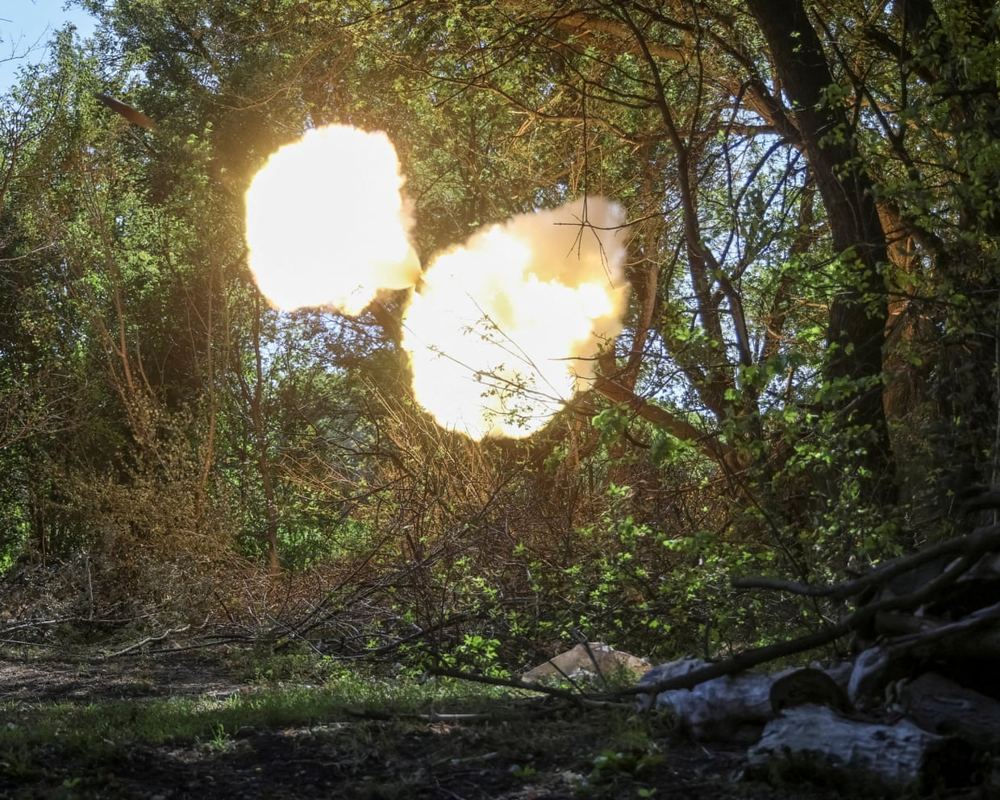
On the battlefield, drone warfare has intensified, with Russia firing 800 jet-powered drones into Ukraine over a recent four-day period. Ukrainian President Volodymyr Zelenskyy noted that four companies have developed interceptor drones to counter the threat, with one possessing the most successful technology. In response, Ukrainian strikes have damaged oil refineries in Russia’s Samara region and a major logistics warehouse in Ekaterinburg.
Diplomatic efforts remain fractured despite high-level engagements. Indian Prime Minister Narendra Modi recently told President Vladimir Putin that the war must end for humanity’s sake, even as India and China remain the primary buyers of Russian crude. Meanwhile, Zelenskyy reported constructive talks with US envoys Steve Witkoff and Jared Kushner, noting that September could bring significant changes to the conflict.