Range Rover unveils first electric model amid falling profits and restructuring
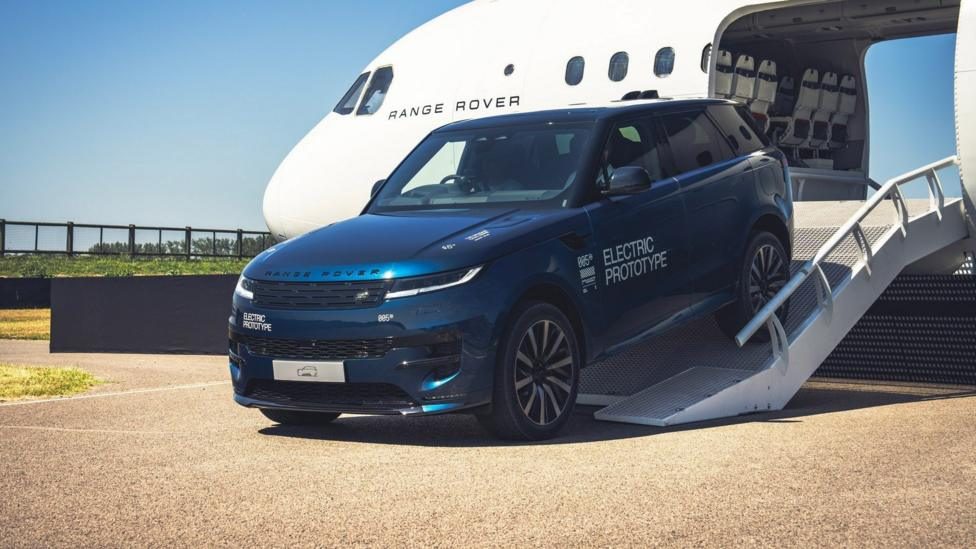
The unveiling of the Range Rover Electric marks a major manufacturing shift for Jaguar Land Rover, testing the Coventry automaker's ability to modernize its UK operations while navigating severe financial and operational headwinds.
After a one-year delay, Range Rover has officially introduced its first fully electric vehicle. The new Range Rover Electric will be manufactured at the company's Solihull plant, marking a major pivot in the brand's propulsion strategy.
This transition is supported by extensive upgrades across Jaguar Land Rover's West Midlands facilities. The Coventry-based parent company stated it had up-skilled 10,500 workers for electric production as it advances its modernization efforts. This massive training effort includes 9,000 employees at the Solihull site and another 1,500 across the broader region.
Production capabilities are also expanding to support the new model and its complex components. The Electric Propulsion Manufacturing Centre in Wolverhampton now builds battery packs and electric drive units alongside traditional internal combustion engines. These new battery and electric drive unit production lines are critical to the launch.
For European investors and markets, the launch highlights the immense capital required to transition legacy automakers to electric powertrains. Jaguar Land Rover is attempting this complex modernization while simultaneously managing severe operational and financial disruptions. The situation underscores the delicate balance traditional manufacturers must strike between future investments and current profitability.
The company recently reported a sharp decline in profitability, with first-quarter profits falling to just £66 million. This significant drop was largely driven by a fire at a crucial Norwegian supplier that severely disrupted the supply chain.
Operational stability remains a distinct challenge following a cyber attack last year that halted production for more than a month. In response to ongoing financial pressures, the business is currently undergoing restructuring and has confirmed that fewer than 300 roles will go.
Martin Limpert, managing director of Range Rover, described the new vehicle as the result of a decade of "considered engineering". Despite the recent turbulence, company leadership remains focused on the broader transition and the long-term viability of the brand.
At the time of its recent financial results, the firm noted that new product launches would leave "JLR in good shape". However, executives also acknowledged the "continuing geopolitical, inflationary and regulatory challenges the industry faces" across the continent.