From Mobutu’s Zaire to Grand Theft Auto
A 1976 dancefloor groove that vanished for decades before soundtracking a London warehouse party and a video game heist.
In 1976, in a recording studio somewhere in Zaire, two men who had already changed African music once decided to do it again.
Henry Bowane and Sam Mangwana were not newcomers. Back in the late 1950s, they had been among the architects of Congolese rumba, the sound that fused Cuban dance rhythms with local guitar traditions and swept across the continent like nothing before it
ORF.at zeigt derzeit Elemente aus sozialen Netzwerken wie X, Facebook, Instagram oder YouTube in einer reduzierten Vorschau an. Dabei tauscht Ihr Browser keine Daten mit diesen Netzwerken aus. Bilder, Videos und ähnliche interaktive Elemente können so allerdings nicht dargestellt werden. Um Inhalte aus den sozialen Netzwerken vollständig anzuzeigen, haben Sie folgende Möglichkeiten:
Direkt von den sozialen Netzwerken eingebettete Elemente werden dauerhaft im ORF.at-Netzwerk aktiviert. Bilder, Videos etc. werden dadurch sichtbar. Sie können diese Einstellung jederzeit wieder deaktivieren.
Werden solche Elemente aus einem Netzwerk geladen, tauscht der Browser Daten mit diesem Netzwerk aus. ORF.at hat weder Zugriff noch Einfluss auf Inhalte und Art sowie Speicherung und Verarbeitung dieser Daten. Details dazu stellen alle sozialen Netzwerke in ihren eigenen Datenschutzinformationen zur Verfügung.
Die Anzeige von Bildern, Videos etc. wird aktiviert, bis der Browser oder die App geschlossen wird. Währenddessen tauscht der Browser Daten mit den sozialen Netzwerken aus. Beim nächsten Neustart wird jedoch wieder die reduzierte Vorschau ohne Datenverkehr angezeigt.
Es wird weiterhin die reduzierte Vorschau angezeigt. Der Browser tauscht keine Daten mit den Netzwerken aus. Gleichzeitig werden Bilder und Videos, die für den aktuellen Beitrag inhaltlich relevant sein können, nicht dargestellt.
By the mid-1970s, that generation of musicians was folding something new into the mix: the funk and soul pouring out of America, filtered back through Kinshasa.
The result, recorded under the name Les Ya Toupas du Zaire, was a song called „Je Ne Bois Pas Beaucoup“: I Don’t Drink Much.
It is a joyful, loping groove, built for dancing, with a rhythm section that never quite lets you sit still. And for the best part of three decades, almost nobody outside Central Africa heard it.
That is not unusual. Africa’s recorded music history from this era is littered with records like this one: pressed in small runs, sold locally, played out, and then simply left behind as tastes moved on and copies wore thin or vanished. Unless somebody goes looking, that is usually where the story ends.
Around the turn of the 2010s, a London club night called Sofrito built its reputation on exactly this kind of digging: African and Caribbean dance records that had dropped out of circulation, resurrected for a new generation of dancefloors. „Je Ne Bois Pas Beaucoup“ became one of the tracks that defined that sound.
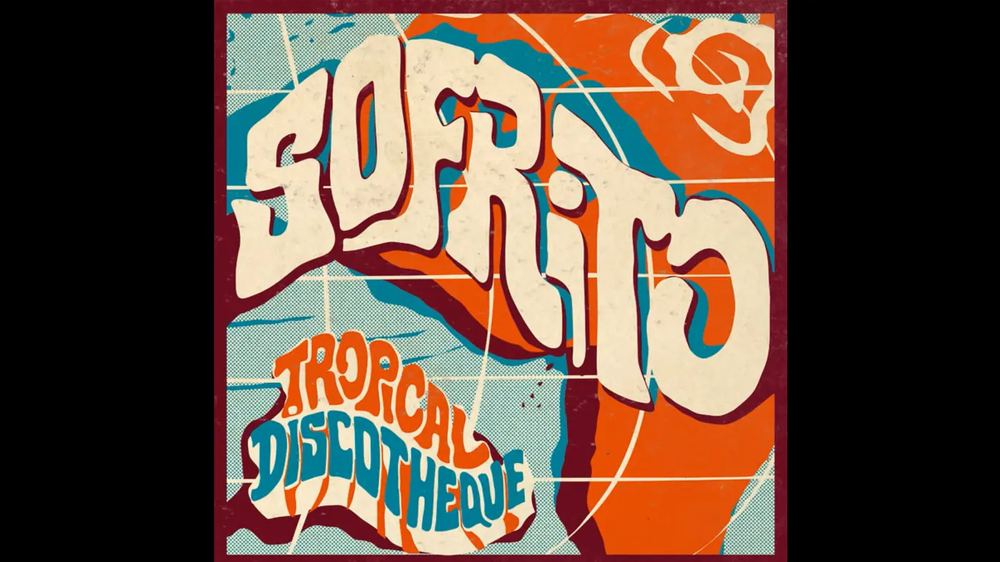
It found a second life on London floors, then a formal reissue on the Strut label’ s compilation " Tropical Discotheque ," which introduced it to collectors and radio programmers who had never had a chance to hear it the first time round.
The song turned up on the soundtrack of Grand Theft Auto V, the biggest entertainment product in the world at the time of its release, blasting out of a car radio in a fictional, sun-bleached version of Los Angeles. A record cut in Mobutu-era Zaire, forty years earlier, by musicians reworking their own tradition with borrowed American funk, was now the backing track to a digital joyride on the other side of the planet, heard by tens of millions of people who had no idea where it came from.
It is a reminder of how much of the twentieth century’s great music still exists exactly this way: known intimately in one place, entirely unknown in another, waiting for the right crate digger, DJ or label to bridge the gap. For every „Je Ne Bois Pas Beaucoup“ that makes that journey, there are surely hundreds of records just as good still sitting in that gap, undiscovered by anyone outside the community that made and loved them first.
On this week’s Sunny Side Up, we are playing the song the way it was built to be heard: full length, all seven minutes and forty-one seconds of it, no radio edit. Trimming it down would miss the point. This is a groove that earns its runtime, made for dancing.
Bowane and Mangwana could not have known, in that studio in 1976, that their record would end up soundtracking a heist in a video game nobody had yet imagined, in a country most of their listeners would never visit. But that is the strange afterlife certain records get to live: cut once, in one place, for one audience, and then handed forward, again and again, to people who were not even born when the tape first rolled.