Why I Keep Traveling Solo After Being Attacked by a Man and Charged by a Bear
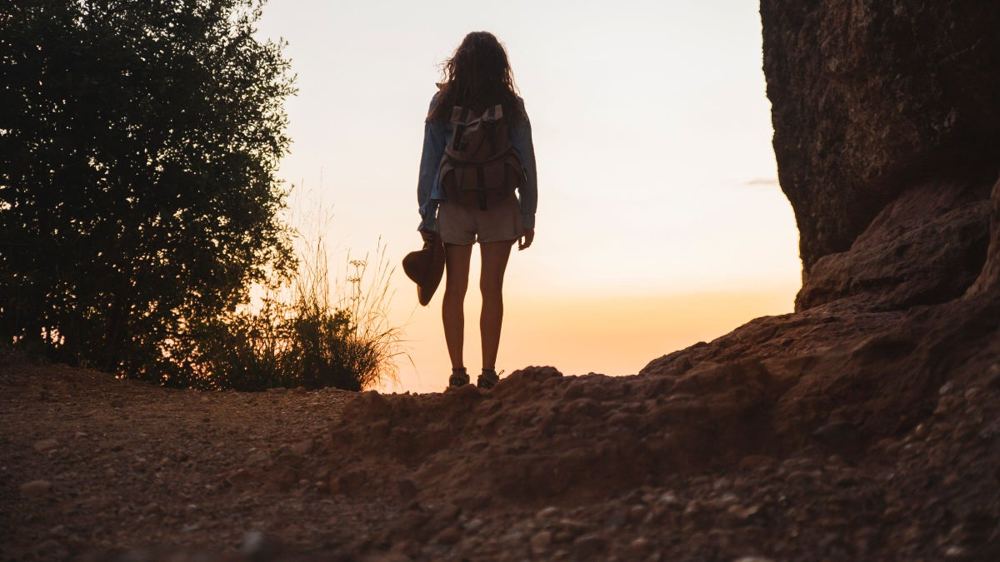
After surviving a knife assault while hiking abroad and a bear charge close to home in Montana, a veteran traveler explains how she manages risk and why she refuses to stay home. The post Why I Keep Traveling Solo After Being Attacked by a Man and Charged by a Bear appeared first on Outside Online .
This story discusses sexual assault and violence. If you or someone you know is a victim of sexual violence, you can call the National Sexual Assault Hotline toll-free from anywhere in the U.S. at 1-800-656-4673.
“Don’t forget to always carry your I.D.”, my mom said the first time I told her I was traveling somewhere solo. “I’m not flying somewhere to identify your body.” My 18-year-old self just rolled her eyes. Nothing bad was going to happen to her.
Nearly two decades and 75 countries later, my rose-colored glasses have gone from mint condition to shattered. In the last few years alone I’ve been charged by a mama black bear while hiking solo in Montana and attacked by a knife-wielding stranger while hiking alone in South Africa’s Table Mountain National Park. My mom got on that plane she used to joke about. But she didn’t complain. Returning with a broken version of her daughter beat flying home with a body bag.
It took time and therapy to put the pieces back together. But once I felt whole enough, I started adventuring solo again. Things were different, of course. But it wasn’t my desire to see the world that had changed. It was my relationship with risk.
The man vs. bear debate, where someone is asked whether they’d rather encounter a man or a bear while in the woods alone, went viral because it tapped into two legitimate fears.
In August, a 27-year-old mother reported she was slashed by a stranger while hiking the Havasupai Trail near Grand Canyon National Park. The next day, a 28-year-old woman was hospitalized after an encounter with a brown bear in Alaska’s Chugach State Park. Alone, the trail runner had to self-rescue. Sally Grace Contarino, meanwhile, has been missing since June. The 26-year-old Australian tourist was traveling solo when she vanished in Las Vegas . “I’m about to hike up Lone Mountain,” reads her last text to her friends.
Women venturing solo is nothing new. The Bible tells the story of Hagar, a woman who fled into the wilderness roughly 4,000 years ago. Then there’s Isabella Bird. In 1873, the 42-year-old globetrotter traversed 800 miles in the Canadian Rockies by horseback, during winter. Despite subzero temperatures and run-ins with unsavory characters and carnivores, she survived. The pull of the unknown has always pushed adventurers past the point most people would consider reasonable, but for solo travelers, especially those who identify as women, weighing the risks is more complicated.
I can’t show you all my passport stamps. A pickpocket swiped my passport in France. And I don’t have a stamp from my solo trip to Transnistria in August. I knew the “country that doesn’t exist” near Ukraine had a Level 3 Travel Advisory. But I wanted to see the region where my maternal grandmother’s side of the family came from while she was still alive to hear about it. I also couldn’t pass up the opportunity to ride a bike in the world’s largest wine cellar in neighboring Moldova.
While there, I shared my location with my mom and husband. Instead of more affordable and spacious AirBnBs, I splurged on a tiny room at a highly-rated hotel with 24/7 security. I shunned public transportation and self-guided experiences. Paying a small fortune for a private guide and driver meant I didn’t have money for souvenirs or the spa. But, for me, peace of mind outweighs magnets and massages. And while both times I’ve been assaulted while traveling alone were in broad daylight, I tried to be in bed before dark.
I haven’t always mitigated risk, or even considered it. Old me didn’t think twice about swimming alone at a remote beach in Nicaragua. That was the afternoon I learned rip currents can be faster than Olympic swimmers. She was so eager to cycle in Spain’s Teide National Park that she drove there straight from the airport, leaving all her luggage, including her electronics and $600 cash, in her rental car. That was the trip where I made my first police report in a foreign language. And she didn’t let her ancient Honda that was making unsettling noises keep her from taking advantage of a bluebird day in the Beartooth Mountains bordering Yellowstone. That was the day I learned tow trucks charge three figures for a long distance dispatch and don’t always guarantee you a seat in the cab.
Today, I respect risk without letting it dictate what I do. My keychain alarm, it’s more TSA-friendly than pepper spray, plus screaming was what scared away my attacker in South Africa, is always within reach. Hiking doesn’t happen without two cans of bear spray on my hip. Flights aren’t purchased unless I can afford to stay in a neighborhood I deem safe. My phone and SOS-capable smart watch are always charged (and on me). And as much as I love to manifest, I plan for the forecast, not the weather I want.
Finally, I never override my gut. Moments before I was attacked in South Africa, something about the stranger on the trail triggered my Spidey sense. Not wanting to appear rude, however, I continued toward the trap he’d set instead of hightailing it out of there.
“Trusting your intuition is probably the best thing you could do,” says Nicole Snell, CEO of Girls Fight Back . Snell’s Outdoor Defense series teaches women empowerment-based self-defense tactics they can use while hiking, camping, fly-fishing, trail running, etc. When she tells me she’s visiting Havasupai this fall I ask if the recent attack worries her.
“Statistically, another attack like what happened to Alexis, isn’t likely. It’s awful what she experienced,” she answers. “And if I ran into something like that, I would feel confident with the skills I have that would get me out safely.”
“There’s an important distinction between something being possible and something being probable,” agrees Katie d’Autremont, a licensed clinical professional counselor. She uses a pool analogy with her clients. Could they fall in while walking along the edge of a pool? Yes. Will they? It’s not likely.
One of my closest friends, d’Autremont is among the first people I tell about an upcoming trip. Sometimes she joins me. This summer, though, she declined my invitation to Turkey because of the unrest in the Middle East. Still, she didn’t try to talk me out of going. She knows I have a different threshold for risk, and I’m capable of making informed decisions. “There can be something really empowering about trusting yourself to navigate uncertainty rather than waiting until the world feels completely safe,” she says. “Because the reality is that it probably never will.”
It sucks that my life story includes being pickpocketed, mugged, and sexually assaulted. But at the end of the day, I’m the author. Most chapters celebrate independence and an insatiable curiosity that’s taken me to all seven continents. I’m no longer the naive 18-year-old who rolled her eyes at her mom. I acknowledge the risks. Still, I don’t wait until the epilogue to discover that the rewards far outweigh them.
Why We Feel So Safe in Nature, and How That Can Put Us at Risk
The Way We Talk About Women’s Safety While Running Needs to Change
I’ve Been Traveling Solo for Decades. Here Are My Pro Tips and Favorite Countries to Visit.