DJ Lexii Is Doing Him
DJ Lexii on growing up in the Midlands, blending UK garage, techno and Miami bass, and why staying true to himself matters more than fitting into easy labels. The post DJ Lexii Is Doing Him appeared first on Fucking Young!.
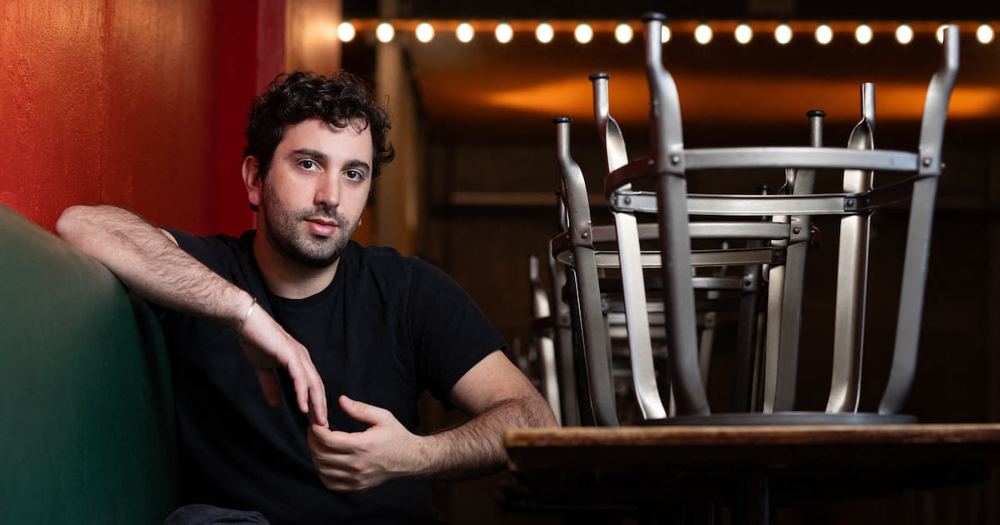
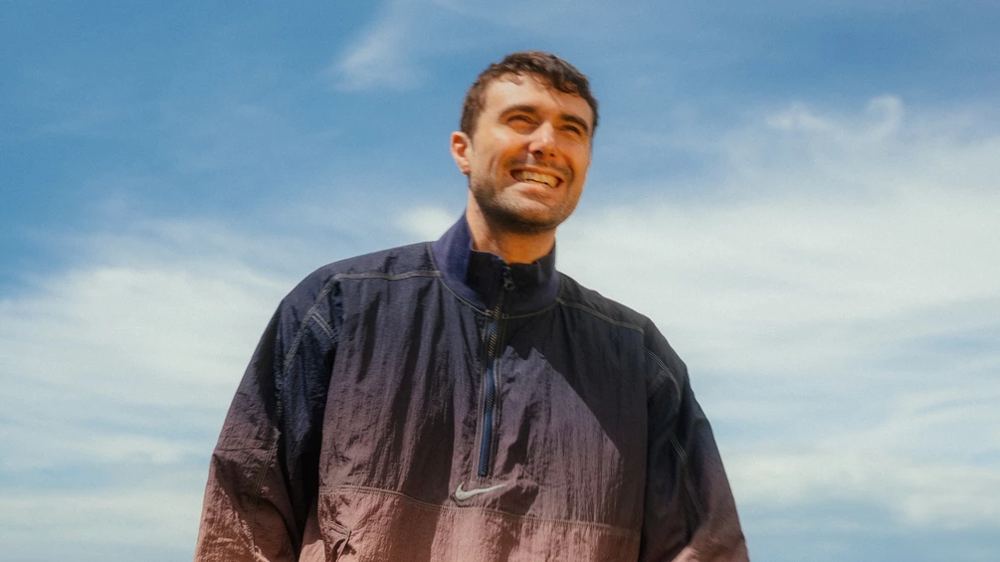
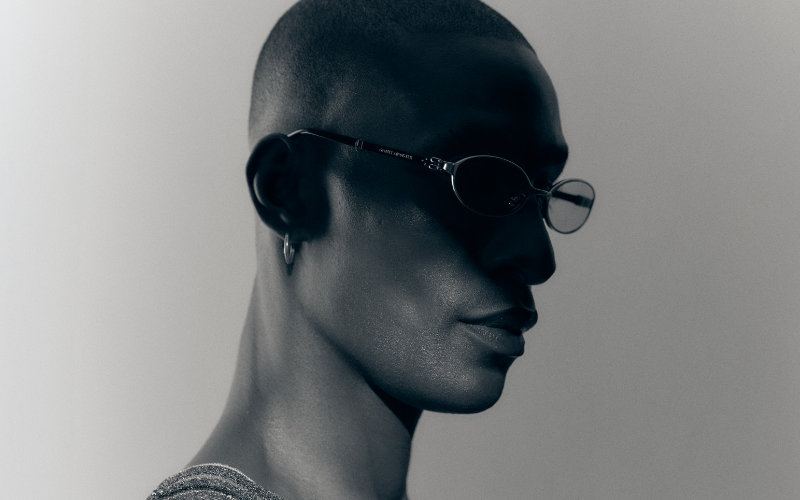
Lexii has never been interested in choosing just one world. The London-based DJ and performer draws on the Black British sounds of his Midlands upbringing, UK garage, dancehall, R&B, techno, house, and Miami bass, while his visual language plays with masculinity, femininity, sensuality, and queer identity without asking permission from any of them. With so much buzz around his sets, energy, and sense of style, he didn’t hesitate to let us get to know the growing icon behind the decks in this exclusive, photographed by Fran Gomez de Villaboa and styled by Oliver Volquardsen . One thing is for sure, this self-proclaimed dreamer is real!
How would you describe the sounds and aesthetics of your upbringing? Was there a record you would play on repeat?
At home, there was lovers rock, reggae, dancehall, and Motown. Then my cousins introduced me to Mariah Carey, TLC, Mary J. Blige, Maxwell, Lil’ Kim and Aaliyah. I’d spend hours lost in CD booklets, studying the artwork, the styling, learning the lyrics, and gawking over the photography. Back then, music videos and the auras artists created felt like entire worlds you could disappear into. I’d daydream about being part of them, especially as they sometimes seemed so far removed from my own reality. But dreaming is literally my favourite thing to do. I’m a dreamer boy!
Growing up in the Midlands, I was equally inspired by the Black British sounds around me, like UK garage, niche, and bassline, while also being shaped by my surroundings in Littleover, a cute little village in Derby. It was multicultural enough for me to soak up other cultures, but there was always a strong British identity too, which I’ve grown to recognise as another root of my taste. All these environments shaped me. I’ve always been drawn to spaces where worlds meet. Even now, I reference those sounds, those silhouettes and that feeling of possibility in my sets, my styling and the way I move through the world. I never wanted to be just one thing.
We’ve seen you dancing behind the decks; is there one song that will always get you on the dance floor? Do you have “a song”?
I don’t think I could ever pick just one song. For me, it’s never really been about one track. It’s about the rhythm. Growing up, I’d hear certain drum patterns and basslines, and something in me just knew I had to move. Whether it was hearing bashment and dancehall at local carnivals or whatever the older kids were playing, I’d be watching my cousins and everyone in the music videos, then just naturally copying how they moved.
That’s never really left me. Even now, whether it’s techno, grime, garage, or house, I’m still reacting to those same accents in the music. There’s something about the syncopation in Black music that just lives in me, and if you really listen, you can hear those rhythms running through so many different genres. I’ve always connected to that before anything else.
Movement has always felt like freedom to me. I’m quite an overthinker, and I analyse everything all the time, so when a piece of music completely takes me out of my own head, even if it’s only for a moment, that’s probably the closest thing to bliss. I’m never really thinking when I dance. I’m just responding to the music.
You pull heavily from rave and UK garage heritage. What was your first introduction and why do you think it continues to resonate with people?
My earliest introduction was through my older cousins and aunties playing CDs while getting ready to go out. Growing up in the Midlands, garage, 4×4 and bassline were just part of the culture. By the time I was going to under-18 nights towards the end of school, those sounds were already ingrained in me. It’s never felt alien or like something I’ve had to discover. It’s always felt authentic.
I think it continues to resonate because it’s so intrinsically British, particularly rooted in Black British culture. There’s nostalgia for those who grew up with it, but also a freshness for younger generations and audiences outside the UK discovering it for the first time. It’s infectious and incredibly versatile. It can be bouncy, playful and euphoric, or dark, gritty and leftfield. Those sounds still feel current and continue to inspire so much of what I play and create today. Everything comes back around, and when something is woven so deeply into the fabric of British culture, I don’t think it can ever really disappear. It just ebbs, flows, and evolves with the times.
Music, like fashion, likes to put on easily identifiable labels on people, mostly to fit into aesthetics and algorithms. Black British club culture has always thrived in hybridity, yet the industry still loves to categorize. Have you ever felt pressure to make yourself more legible for people who want easy labels?
I’d be lying if I said it never crosses my mind. Of course, there are moments where I think, should I make this easier for people to understand or fit into one lane? But every time I go down that road, I always end up back at the source because that’s where my best ideas come from.
Literally, sometimes I’ll go back and listen to an old mix and be reminded of my creativity and just how fearless I was in creating exactly what was in my mind, even when my skill set was weaker! That tenacity for what I want and how I feel about my art and craft has to stay in me.
It’s scary because that’s the real me. This is how I think, how I create, and how I hear music. If people don’t connect with that, then so be it. That’s defo a scary pill to swallow, but I guess everything is scary at first. That’s part of the thrill and the rush. You have to keep believing in yourself. Like, no one will believe in you as much as you believe in you. And that’s just the tea.
Hybridity and duality are who I am. They’re not something I’ve made up. They’re the result of everything I’ve grown up around and experienced. I’ll always read a room and adapt. I feel like, as a young Black gay man, our journeys are so nuanced, and the level of code-switching can be incredibly specific. It can feel inherent to survival. On one hand, it’s so admirable, and you’re like, damn, I am good at this! On the other hand, it’s like, whoa, how did I get so good at this?
But I’ll never strip away the things that make me who I am just to fit into someone else’s category. I’d rather trust that the right people will find it. Like, they have to. I hope, haha!
There’s often an expectation for Black artists to ‘represent’ something larger than themselves. How do you balance personal expression with cultural responsibility?
I used to think it wasn’t really my job to represent anyone other than myself. But the older I’ve got, the more I’ve realised that’s probably quite a selfish way of looking at it. But I think that’s birthed from insecurity in itself. Like, I’m still finding me; how could I be responsible or be of any help to someone else? But that’s just it. There’s strength in just ‘being’, and being seen. Representation!
I’m not trying to be a spokesperson or a role model. I’m just trying to be as honest as I can in the way I create. But if that honesty makes someone else feel seen or helps them understand a different part of the Black experience, then that’s only ever a good thing. The best messages I get are from people saying they saw themselves in something I did or that it made them feel like they could do the same. That’s really special.
Your sets can move from UK garage to R&B to techno to Miami bass without ever feeling disjointed. How important is shapeshifting for you?
It’s probably the most important part of what I do. It’s never about trying to squeeze loads of genres into one set just for the sake of it. It’s about telling my story as honestly as I can through sound. Every genre I play has shaped me in some way, so why would I leave parts of myself out just because it’s easier for people to understand? I’d rather find a way to make it all work together because that’s what feels authentic to me. And that definitely involves trial and error. Sometimes it might not always hit (at first!). I do doubt myself occasionally, and I’ll have to ask some of my DJ friends, like, “Yo, does this blend sound ridiculous?” And usually they’re like, “It sounds like you, babe! It sounds exactly how it’s supposed to sound!”
And then I ignorantly and blissfully continue because I guess the only way to push my own musical boundaries is through experimentation! That’s just fun, and it should always be FUN. When it’s not, I have to go and do something random or see through a rogue idea, whether that’s a sound or a blend, to remind myself why I love doing this stuff.
I think that’s my quietest way of waving a flag. It’s not a gimmick. It’s genuinely what I love. Shout-out to people who dedicate themselves to one sound, but that’s never been me. I love the melting pot of it all, and I want people to hear that every time I play. That’s the real me.
It’s exciting for the audience and for me as well, especially live, when I’m just cooking something up on the spot. Fully exhilarating stuff, haha!
From subverting masculine archetypes to sensuality, what role has fashion and clothing played in your career and in you as an artist? Do those visual and sonic worlds ever contradict your identity?
Fashion has always been another way for me to tell the same story I’m telling through music. In the beginning, I was pushing boundaries, enjoying my body, exploring sensuality and masculine and feminine energy without really caring what box people wanted to put me in. The frustrating part was when people focused on that more than the music.
Now it all feels connected. I don’t really see fashion through these archetypes anymore. It’s just another creative language. Some days I feel softer, some days more masculine, and some days I want to feel sexy. That’s just how I move through the world, so why would my stage presence be any different?
I definitely don’t think fashion contradicts my identity. It reinforces it. The music, the clothes and the imagery are all telling the same story. Though I’d be lying if I said I wasn’t excited to have moments to speak in interviews like this, where I can actually break it down for people who might really want it spelled out for them or just want to understand on a deeper level. That’s okay! Asking questions is always a good thing. I just don’t want the questioning to change how I do things.
Even this shoot feels special because I’m working with Oliver, who’s been styling me since the beginning. He’s seen that growth firsthand and has always helped translate my fashion language into something elevated while still feeling completely like me. That’s a real collaboration, and I’m grateful for it.
I don’t feel like I need to explain myself anymore. I’m just building my world layer by layer, and I love looking back and seeing the growth. You can hear it in the music, and you can see it in the way I present myself.
Like, I don’t want to have to explain myself unless I’m doing something like this, where the microphone has been given to me. I just want you to see it and feel it! And if you’re not into it, then it’s not for you. But if you are into it, get stuck in, lol!
How do you resist becoming a caricature of queerness in nightlife? And does that caricature still exist?
I think the only way to avoid becoming a caricature is to be real. If there’s genuine life experience and real storytelling behind what you do, then it’s not a caricature. It’s just you.
Haha, this question feels kinda messy, though I know the intention! However, I don’t really want to judge whether caricatures still exist because everyone’s on their own journey. BUT what I will say is that I do still think stereotypes exist. We live in a culture where it’s easy to follow what’s already been accepted and a lot harder to trust your own point of view.
For me, the answer has always been the same. I just keep coming back to whatever makes me, me. My experiences, my influences, my contradictions, my taste. That’s the only thing I can really control. I’m not reinventing the wheel. I’m just doing meeee.
The funny part is, you can spend your whole life trying to keep it real, be real and show people who you are, and they’ll still find a way to flatten you into a stereotype or a character because it’s easier and way more palatable for them to understand. The mad thing is, it happens in our own communities too, and that’s something I wish would subside. That’s frustrating as fuck, for me and probably loads of other people, but still, we must rise! Haha.
I’d rather keep building something honest than become a version of queerness people already expect to see.
Do you have a favourite place to play or a most memorable set?
I don’t think I have a favourite venue. It’s more about the energy of the people. My favourite sets are always the ones where you’ve got the full spectrum of the community in front of you. Queer people, Black people, straight people, everyone. Ratchet, bougie, all united in spirit, y’know? Not there as archetypes or subgenres, just there because they came to get dowwwwn! That’s when I feel like I can really tell the whole story. I’m a performer at my core. I lav it!