US judge rules a police Flock search was unconstitutional mass surveillance
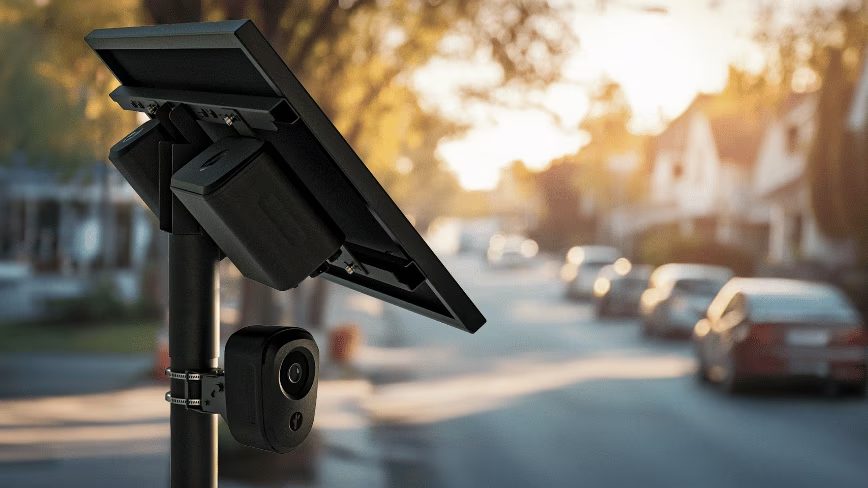
A federal judge in Oklahoma has ruled that a deputy’s warrantless search of Flock’s licence plate reader network broke the US Constitution. In an order dated 1 October, Judge Sara Hill called the system “a type of indiscriminate mass surveillance”. Jason Koebler of 404 Media first reported the ruling. “It is a tool that collects […] This story continues at The Next Web
A federal judge in Oklahoma has ruled that a deputy’s warrantless search of Flock’s licence plate reader network broke the US Constitution. In an order dated 1 October , Judge Sara Hill called the system “a type of indiscriminate mass surveillance”. Jason Koebler of 404 Media first reported the ruling.
“It is a tool that collects information about all vehicles that pass by any network-connected camera at all times, and it serves up the information to law enforcement on demand,” Hill wrote.
The ruling does not bind other courts. But it is one of the first times a federal judge has found a Flock search unconstitutional, 404 Media reported. Neither the Supreme Court nor the Tenth Circuit appeals court has decided the question, Hill wrote. Nearly every court to look at it so far has said plate reader searches are not searches under the Fourth Amendment. That includes three other federal courts in Oklahoma.
Tulsa County deputy Freddie Alaniz sat parked by a highway when a Mazda SUV with California plates drove past. He followed it only because of its California plate, Hill wrote, and ran the plate through Flock. The results showed a short trip from Locust Grove, Oklahoma, to the California and Arizona border and back towards Missouri.
He stopped the driver, Melisa Kyle, for following another car too closely, which Hill found was a lawful stop. After giving her a warning, he told Kyle that short trips to California usually meant drug trafficking. She refused a search, so he held her for a police dog. Officers then searched the car and arrested her. Prosecutors charged her with possessing methamphetamine with intent to distribute, The Washington Post reported.
Hill ruled that both the extended stop and the Flock search were unconstitutional. She suppressed all evidence gathered after the search began. The Flock query alone gave Alaniz more than 50 records of Kyle’s movements over a month, she wrote.
Courts that allowed these searches have leaned on United States v Knotts. That 1983 Supreme Court case was about a radio beeper hidden in a chemical drum. It found that drivers have no reasonable expectation of privacy in their movements on public roads. Hill wrote that Flock is “approaching the dragnet type law enforcement practice” that the court left open in Knotts.
She relied instead on Carpenter, the 2018 ruling on phone location records, and on Chatrie. In that case this year, the Supreme Court found that police access to phone location history is a search. Hill also noted that cameras on Alaniz’s own patrol car feed the network.
“The government cannot go snooping through our personal lives and business without an adequate basis to do so,” Hill wrote.
“The ruling goes against the overwhelming weight of authority in similar cases across the country, including multiple recent decisions in Oklahoma, and we expect it will be appealed and ultimately overturned,” a Flock spokesperson told 404 Media.
Flock said it was not a party to the case. The ruling does not affect police use of its cameras, it added. In March, a federal appeals court, the 5th Circuit, upheld the readers, The Washington Post reported.
Police run more than 100,000 warrantless Flock searches a month, according to audit logs seen by 404 Media. On Friday, Senator Bernie Sanders introduced the Block Flock Act. It would bar federal agencies from using plate readers, TechCrunch reported. In September, two House members proposed the No FLOCK Act , and Florida and Texas have moved against the cameras.