Texas city wants $2.3M for public records on police Flock use
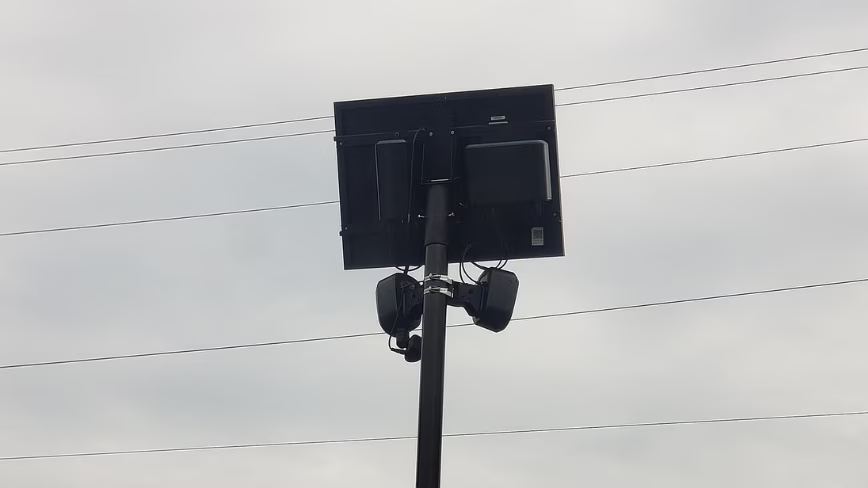
A Fort Worth suburb has told a privacy group it would cost $2.3M to release records on how its police use Flock number plate cameras, a figure reached by estimating 14 years of labour at $15 an hour. Under the EU’s law enforcement directive the same information has to be logged as a matter of […] This story continues at The Next Web
A Fort Worth suburb has told a privacy group it would cost $2.3M to release records on how its police use Flock number plate cameras, a figure reached by estimating 14 years of labour at $15 an hour. Under the EU’s law enforcement directive the same information has to be logged as a matter of course and handed to the data protection authority on request.
A Texas city has told a privacy group it would cost $2.3M to see how its police use Flock cameras. It reached that figure by estimating 14 years of labour at $15 an hour. Another handed over 400,000 pages for nothing.
North Richland Hills, a Fort Worth suburb, said searching about a terabyte of communications about errors, misuse and effectiveness would take that long, as the Texas Tribune reported . Sealy charged nothing. Irving asked $70,000 for records Carrollton released free.
An audit set off by a USA Today request caught a Lufkin officer searching police databases about his former girlfriend, her family and men she had dated. Zachary Anthony Klein pleaded guilty on 30 September to 100 felony counts and drew five years. We reported his indictment in August , when records showed 45,318 searches across 210 days.
Texas has about 13,000 Flock cameras, part of a network of more than 100,000 across America . Fifty-nine agencies use the transparency portals Flock offers, covering 2,600 of those cameras, and 16 publish their search records.
The state’s own police force is going the other way, after Governor Greg Abbott froze state funding in August. The Department of Public Safety answered an identical request in July, limited August’s to its own searches, and has now asked the Attorney General’s Office to let it withhold the data entirely.
Under the EU’s law enforcement directive, police systems must log every consultation and disclosure, recording the justification, the date and time, who searched and who received the data, and controllers must hand those logs to the data protection authority on request. There is no fee and no labour estimate. The logs go to the regulator rather than to the public, which is a different bargain and not a better one.
Britain’s national standards for number plate recognition, updated in July, require audit trails covering logins and every successful and failed search, make access to the audit trail itself auditable, and delete national read data after 90 days.
A federal judge in Oklahoma ruled last week that a warrantless Flock search was unconstitutional mass surveillance, and 404 Media counts more than 100,000 such searches a month.