In pictures: Uganda’s most radical festival arrives in Europe
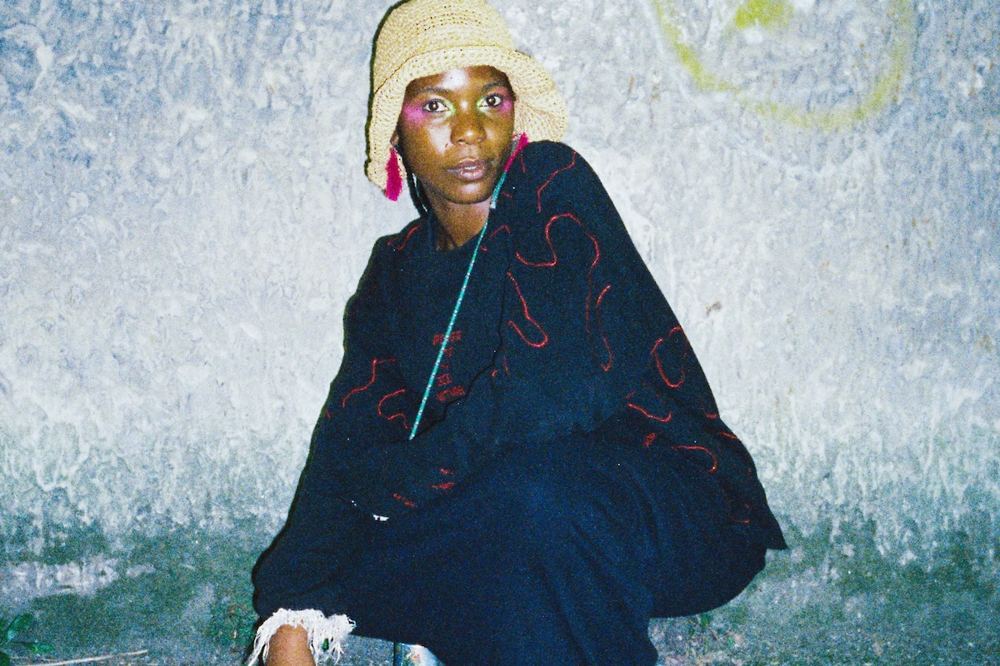
Nyege Nyege music festival launches a Brussels-based counterpart, Mirror World. In a new context, can it retain its edge?
GDFL Brassband, booked as a surprise act, are running late at Mirror World in Brussels. The Rotterdam-based Surinamese marching band are due to play while walking through the crowd between two late-night performances. For Nyege Nyege co-founder Derek Debru, the delay illustrates what happens when the Ugandan festival brings its approach to Europe. Where some might consider cancelling to protect the timetable, he wants to adjust. “In Uganda, it’s just the norm,” he says. “We adapt and move on.”
That flexibility is part of what Nyege Nyege has cultivated since its first festival in 2015. Growing out of parties organised by Kampala-based creatives, including Debru and fellow co-founder Arlen Dilsizian, the gathering in Jinja became an international destination for adventurous music makers and lovers alike. Its record labels and artist development work have helped artists such as Ugandan DJ Kampire and DJ Travella, who produces Tanzanian singeli (a frenetic dance genre), reach international audiences.
For listeners whose encounters with African music begin and end with Afrobeats or amapiano, Nyege Nyege opens another door. Its stages have platformed northern Ugandan hypnotic electronic acholi, eastern Uganda’s percussive kadodi rhythms and the aforementioned singeli. Traditional musicians perform alongside artists pushing industrial music, rap and experimental club sounds in new directions.
On September 25-26, Nyege Nyege brought its first European sister festival, Mirror World, to Brussels venues CityGate and La Fabriek. But what happens to its outsider spirit in a European festival circuit already comfortable selling experimental music?
Kampire, a core member of Uganda’s Nyege Nyege collective who performed at Mirror World, sees a different challenge here. She points out that Belgium has a long history of electronic music, raves and underground parties, but “having Black and African artists headlining, and putting their outsider music front and centre is not something that happens enough in Brussels, or on European festival stages in general”. It remains radical, she says, “but maybe for different reasons”. In this setting, the question concerns whose music gets to lead the gathering, even within an established alternative scene.
Debru envisions Mirror World as an anchor for European tours. Confirming artists a year ahead gives the team a fixed engagement around which to organise further bookings and begin visa arrangements early. “They’ll be able to build a tour on the basis of that,” he says.
“What’s challenging is that it’s hard to bring artists who are not known,” he adds. Running their own festival lets the team introduce lesser-known musicians to European audiences and invite people who book other festivals to hear them. “When we have our own festival, we can introduce audiences, invite programmers and basically showcase these artists.”
In particular, at Mirror World, Debru prioritised collaborations between Nyege Nyege’s roster and Brussels-based artists. The festival has never revolved around headliners, he explains. Instead, the running order is “almost like a DJ set”, moving from intimate performances towards the night’s more frenetic sounds.
One collaboration paired Nigerian producer and live performer Azzi on the Beat with Indian musicians, including tabla player Mosin Khan Kawa. Azzi produces music live on stage using equipment including a MIDI keyboard.
Nyege Nyege approached him about the joint performance because of his willingness to experiment. “I’m versatile, I can work with anybody,” Azzi says. But the three-day residency also required him to hold back on his usual intensity and listen to his collaborators. “I make sure I bring myself down to listen to the new person I’m working with,” he says. “I got to understand some parts of their music, and some parts of my own music.” The exchange gave him something to bring back into his own practice.
For Eden Tinto Collins, the French-born artist of Ghanaian heritage shaping Mirror World’s visual identity, mobility is central. “[African] people are not able to travel like Europeans can travel,” she says, emphasising that the festival can create a platform for East African and other African artists to come together. Collins also questions the European urge to explain and analyse every artistic choice. “We want to apply theory to everything,” she says. In contrast, she wants Mirror World to leave room for different approaches to creating, including those of artists who are “more in the moment.”
The audience changes, too. Lauranne, a Belgian documentary worker living in Uganda who attended Nyege Nyege in 2024 and 2025, reunited with friends at Mirror World. For her, the original’s atmosphere remained inseparable from its surroundings. “You need to be under the African sun. You need to be with the right people,” she says. However, Brussels offered “a good introduction”. Debru agrees: “We can’t really replicate what happens in Uganda.”
Swiss attendee Anna Hoffman, who attended the same two Ugandan editions as Lauranne, saw the beginnings of a similar community in Brussels: “At Mirror World it felt like it was just starting to bloom.” Earlier in September, she had seen Tanzanian singeli MC and former professional dancer Anti Vairas perform in a Swiss village.
Anti Vairas herself describes European audiences as particularly energetic because her sound is not something they’re used to. At Mirror World, her initially small crowd grew to fill the room as she commanded more of the stage. By the end, attendees were up there with her, dancing playfully together.
Mirror World cannot reproduce the conditions that made Nyege Nyege radical in Uganda, and its organisers do not pretend otherwise. What it can do is shift who gets centred in Europe: African artists who might otherwise struggle for visas, touring routes or festival billing arrive with their own network, aesthetics and audiences already intact. There is, of course, a risk of Europe turning that ecosystem into another fashionable import, but Nyege Nyege’s key opportunity, and its biggest challenge, lies in reaching European audiences on its own terms and retaining the authority to define itself.
Check the gallery above for a closer look inside the festival.
Nyege Nyege music festival launches a Brussels-based counterpart, Mirror World. In a new context, can it retain its edge?