FTC and eight states sue Toast over hidden fees and hard-to-cancel plans
The US Federal Trade Commission and eight states have sued Toast, the restaurant software and payments company. They accuse it of hidden fees, unwanted add-ons and a cancellation process that traps customers. Toast said it will fight the case in court. The FTC announced the lawsuit on Thursday in a press release. It also published […] This story continues at The Next Web
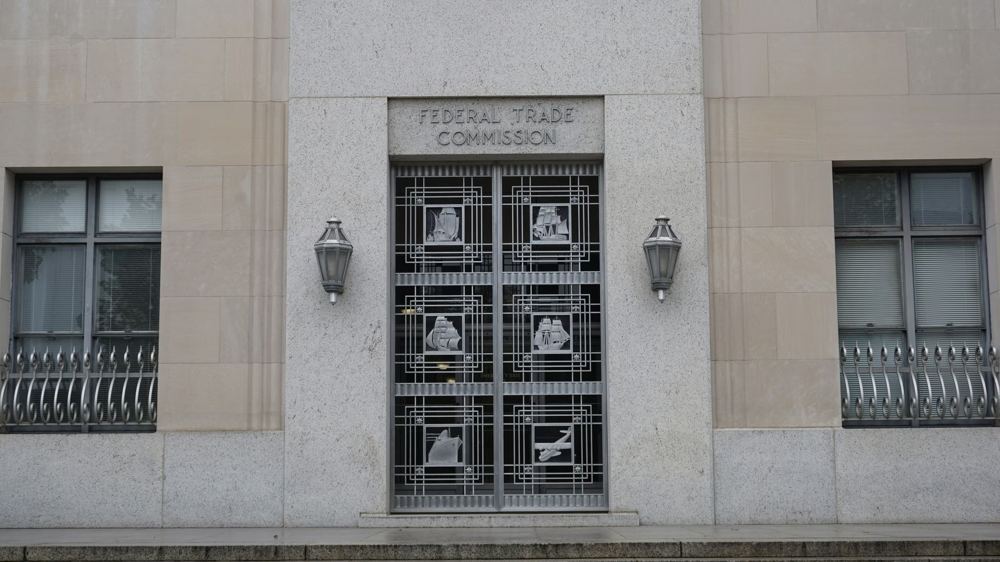
The US Federal Trade Commission and eight states have sued Toast, the restaurant software and payments company. They accuse it of hidden fees, unwanted add-ons and a cancellation process that traps customers. Toast said it will fight the case in court.
The FTC announced the lawsuit on Thursday in a press release . It also published the 71-page complaint , filed in federal court in Northern California. Toast replied in a statement the same day. No court has ruled on the claims.
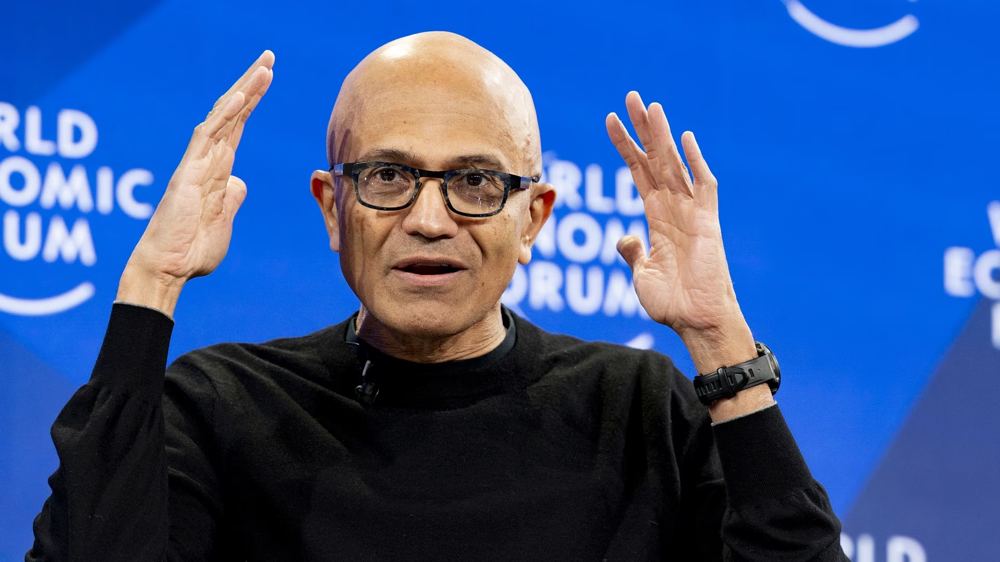
“No court has held that ROSCA applies to negotiated business-to-business agreements, and we don’t believe it applies here,” Toast said.
Toast said it has cooperated with the FTC’s review since mid-2025, including efforts to settle without a lawsuit. It said the FTC ignored information showing how far its customers negotiate their contracts. Nothing changes for its customer service, pricing or support, it added.
Customers must start processing payments within 120 days, the complaint says. Otherwise they must return the hardware or pay its full retail price. Restaurants that close temporarily still pay $85 a month for payment processing. Customers who cancel early pay an undisclosed fee of $150 for each month left on the contract.
Toast charged one customer a $5,318.87 early termination fee when he cancelled after four years, the FTC said. Toast refused to refund it.
The complaint also covers diners. From September 2021 to late July 2023, Toast added a $0.99 fee to online orders above $10, the FTC said. Neither diners nor restaurants were properly told or asked for consent, it alleges. The money went to Toast, not the restaurant.
To cancel, customers must give 30 days’ written notice of their “intent not to renew”, a rule the FTC says is not clearly disclosed at sign-up. Some got no reply and Toast kept charging them, according to the complaint. Others were sent to sales pitches to stay.
Customers with a Toast Capital loan face a further cost. If they cancel or switch provider, Toast treats it as a default and asks for the full loan balance at once, the complaint says.
In the Toast FTC lawsuit, the plaintiffs ask the court for a permanent injunction, money for customers, and civil penalties under state laws. The complaint lists 21 counts under the FTC Act, ROSCA and state consumer protection laws.
Toast had $6.153bn in revenue in 2025, about 82% of it from payments and loans, according to the complaint. It counts 156,000 locations as customers, the complaint says; Toast’s statement puts the figure at nearly 200,000.