Winter fuel cuts turned the Welsh against Labour, former leader Neil Kinnock says

The former Labour leader says welfare policies turned disillusionment with Labour into "active dislike".
Former Labour leader Neil Kinnock says the party's welfare policies turned disillusionment with Labour in Wales into "active dislike".
He said that UK government decisions on benefits and winter fuel payments had driven voters in Wales away from the Welsh arm of the party before the country's Senedd election in May.
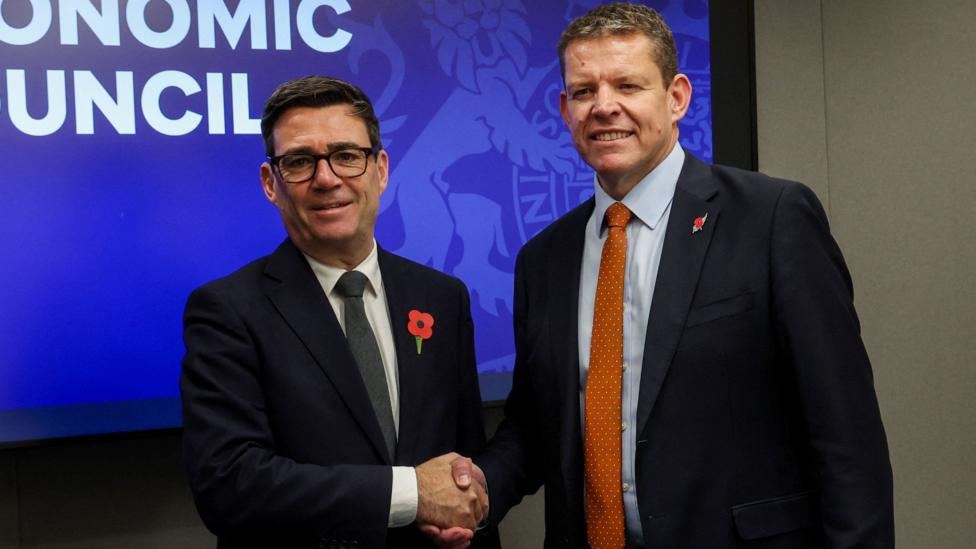
Lord Kinnock made the comments as part of a Newyddion S4C YouTube special on Andy Burnham's first 100 days as Prime Minister.
Governing "at both ends of the M4" before Wales' parliamentary elections had presented an extra challenge for his party, he said.
He said: "If there is any opposition or resentment to the government on either end of the M4, the other lot are going to pay as well."
"There is no doubt in my mind," he said, that "alienation... had been creeping up."
"It could be a mixture of boredom. It could be a mixture of dislike," Kinnock said.
He said "what turned that into active dislike" had been things "like the withdrawal of the winter fuel allowance, the threats to the welfare system" and not scrapping a cap on two child benefits quick enough.
In June last year, the Labour UK government U-turned on its controversial decision to means-test winter fuel payments for pensioners in England and Wales.
Almost one year later, Labour lost power in Wales in a seismic election in May, returning just nine Senedd members after running the Welsh government for 27 years.
Lord Kinnock, who is the father of Welsh Secretary Stephen Kinnock, also said he reservations about devolving justice to Wales - a key demand of the Plaid Cymru Welsh government.
Plaid ministers say it would allow for a more effective system tailored to Welsh communities and better integrated with health, housing and education.
Kinnock said there would no be "much of an argument" against the idea if it meant that "Wales was better protected, that the streets were safer" and "that the justice system was more efficient".
"Until they exist, until they're in place, the upheaval of creating what would have to be effectively a new system with new management... with an introverted view of the justice system - there would be more downsides than upsides."
"Now that picture might change, but as I can see it now in October 2026, that's where we are, there are more disadvantages than advantages."
'Super offensive' - we love how we look but AI tried to 'fix' our visible differences
Mum of critically ill baby denied hospital food as she wasn't breastfeeding
'Tone deaf at best' - advice to stock up on essentials worries experts and low-income families