German cod demand threatens to derail EU Russian sanctions
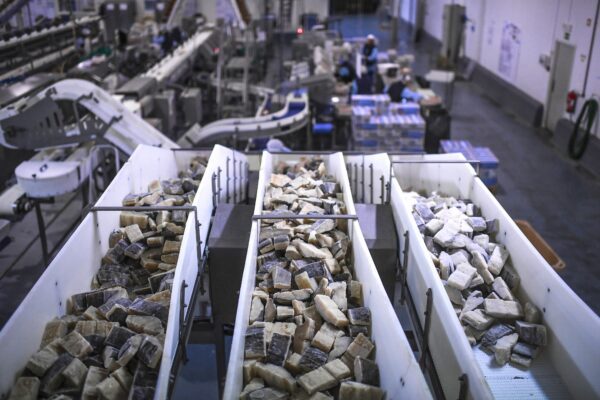
German demand for processed Russian cod is blocking an EU import ban, exposing how domestic supply chains continue to undermine the bloc's sanctions strategy.
Four EU member states are resisting a proposed ban on Russian fish imports, throwing the bloc's upcoming 21st sanctions package into doubt. EU ambassadors discussed the measures in Brussels on Wednesday, aiming for adoption by 13 July, but divisions remain deep over the economic fallout.
The holdouts are driven by surging demand for Russian whitefish, primarily cod and Alaska pollack used in processed foods like McDonald’s fish-cakes. While overall EU fish imports from Russia have fallen since the 2022 invasion, dropping from €954m to €756m last year, German and French purchasing has moved sharply in the opposite direction.
German imports of fresh, chilled, or frozen Russian fish meat have jumped 82 percent since the war began, with France seeing a 75 percent increase. Germany alone imported 2.4m tonnes of frozen Greenland cod fillets last year, a massive increase from 1.5m tonnes in 2022. This trend directly contrasts with the Netherlands and Poland, which have successfully cut their intake.
This reliance creates a significant hurdle for policymakers and highlights the persistence of Russian supply chains in European industry. The resisting capitals are hesitant because of potentially "big impacts on … [their] labour markets," according to one diplomat. European Commission data shows Germany (€284m), France (€89m), the Netherlands (€67m), and Poland (€31m) were the largest buyers of this fish category last year. Beyond the top four, Belgium, the Czech Republic, Estonia, Italy, Portugal, and Spain also remain sizeable importers.
Political stakes
The economic entanglement poses a direct political risk for European Commission president Ursula von der Leyen. She publicly announced a cod ban on 10 June, making any final decision that exempts Gadus morhua an embarrassing reversal for the bloc's executive.
Diplomats are divided on whether a compromise can be reached. "I don’t see them [the hold-out EU capitals] changing their minds," said one EU diplomat on Wednesday. However, a third source noted "we’re not there yet" but expressed optimism that a deal would ultimately materialise.
Fish is not the only point of friction in the ongoing negotiations. Bulgaria is pushing to remove patriarch Kirill, the head of the Russian Orthodox Church, from the draft new blacklist.