Šefčovič meets China as EU splits delay trade tools
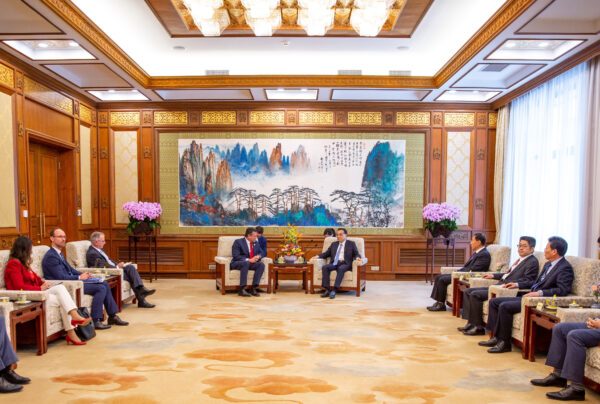
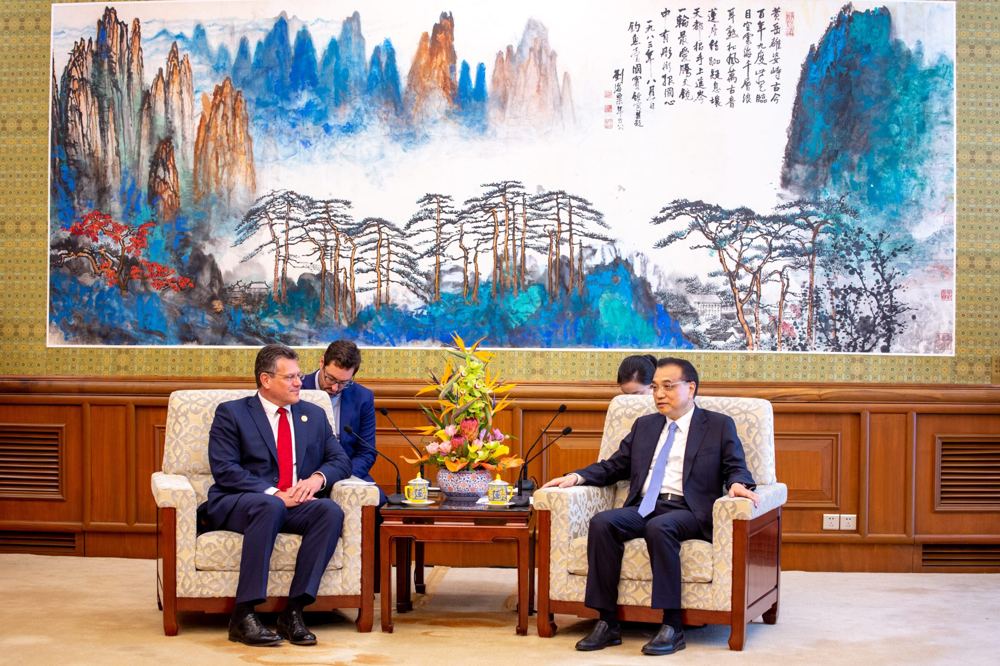
EU Trade Commissioner Maroš Šefčovič faces Chinese counterpart Wang Wentao in Brussels on Monday without new tariff powers, after divisions among member states forced the bloc to delay defensive trade instruments until the autumn.
On Monday, EU trade commissioner Maroš Šefčovič will host Chinese commerce minister Wang Wentao in Brussels for talks framed as critical to Europe's economic future. Yet Šefčovič arrives at the table without the new trade weapons he had prepared, as divisions among European capitals have forced the European Commission to shelve its most aggressive plans until autumn.
The economic stakes for European industry are severe. A study by the Centre for European Reform shows China produces 30 percent of global manufacturing output but consumes only 13 percent. This glut is driving Europe's trade deficit with China, which hit €360 billion in 2025 and is on track to reach €400 billion this year. With 55 percent of European manufacturing exposed to Chinese market-share gains, the pressure on European companies is compounded by an estimated 30 percent undervaluation of the renminbi.
Brussels had drafted an 'overcapacity' instrument to impose fresh tariffs and import limits, alongside a 'diversification' instrument to force companies to reduce reliance on Chinese supply chains. Outgoing EU trade negotiator Sabine Weyand warned that China's oversupply and low domestic consumption was "an imbalance that the world just cannot digest." But the political consensus to enact these measures quickly has evaporated.
National leaders left last week's EU summit deeply divided. Austria and the Netherlands favour dialogue and domestic investment over immediate defensive measures. "It is too early to talk about [defensive] measures," said Austrian chancellor Christian Stocker. Conversely, France is pushing for stronger containment tools, while Germany is recalibrating its stance as its trade deficit with China exceeds €90 billion.
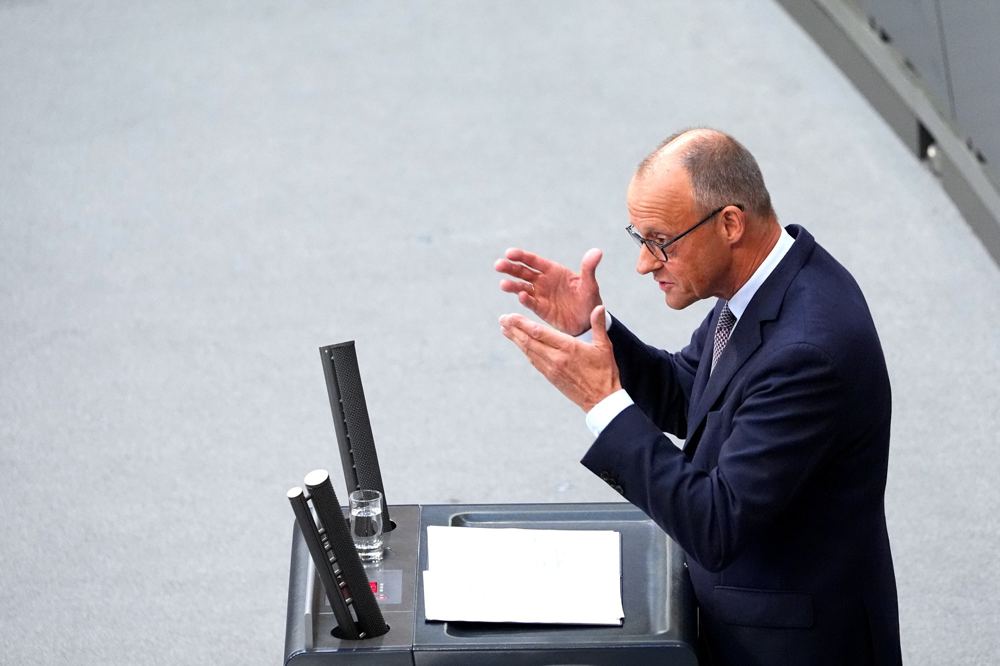
German chancellor Friedrich Merz encapsulated the emerging hawkishness in Berlin. While accepting China's higher productivity, he warned against "naked flooding of markets" and "systematic subsidisation into overcapacity." Merz argued these practices are "accompanied by a currency that is not freely convertible" because capital markets are sealed off, creating "competitive distortions that we do not simply want to accept."
The commission is left navigating these splits. Ursula von der Leyen said the EU executive would develop new tools in the coming months. "Europe has already built an extensive toolbox in recent years. Now we must use it more proactively and more strategically to defend our European interests," she stated. For now, Brussels is moving ahead with narrower steps, such as a push to ban Chinese-made power inverters from EU-funded projects.
The dispute is not isolated to the EU. After his Brussels meeting, Wang travels to the UK for talks with trade secretary Peter Kyle. London recently cut Chinese steel imports by 47 percent and is moving to nationalise Chinese-owned British Steel, a move that has prompted the firm's owner, Jingye, to demand €1.2 billion in compensation. It is a clear signal that Beijing and its companies are prepared to push back hard against European protectionism.