German heat records shatter as transport networks buckle under 41.5C
Successive temperature records in Germany are crippling the country's road and rail networks, exposing the fragility of European infrastructure under climate-driven extremes.
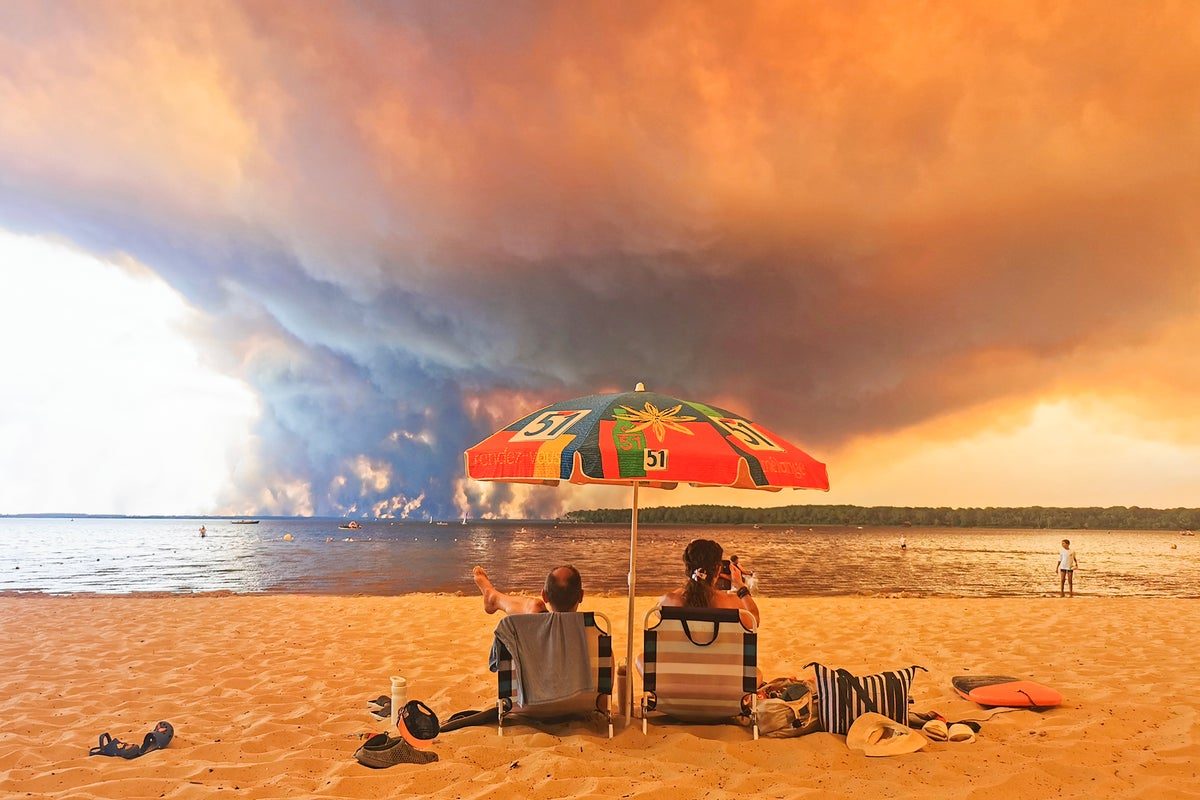
Germany recorded its highest ever temperature for a second consecutive day, with the mercury hitting 41.5C in Drewitz, Saxony-Anhalt. The reading surpassed the 41.3C set just a day earlier in Saarbrücken, as a heatwave that has broken national records across the continent shifts eastwards.
The extreme heat is inflicting immediate damage on Europe’s economic arteries. In Germany, 11 motorways suffered heat damage as expanding concrete cracked and buckled, disrupting freight and passenger traffic. Deutsche Bahn warned that the transport infrastructure was severely affected, advising against non-essential travel, while National Express suspended regional rail services in North Rhine-Westphalia for six hours.
The cascading travel delays illustrate the broader cost of extreme weather to regional commerce. More than 700 flights were delayed at London Heathrow and Gatwick airports due to thunderstorms triggered by the record-breaking temperatures, stranding passengers and delaying cargo.
Denmark registered its highest temperature in over 150 years, reaching 37C north of Aarhus. Red alerts for extreme heat are now in effect across Romania, Slovakia, the Czech Republic, Hungary, and Moldova. Slovakia also recorded its warmest night on record, with temperatures failing to drop below 26.3C.
The long-term economic implications are also surfacing in the Alps. In Switzerland, winter snow and ice on glaciers is expected to completely melt by Monday. This marks the second-earliest "glacier loss day" since monitoring began in 2000. “We are three months too early compared to a healthy state,” said Matthias Huss, head of Glacier Monitoring in Switzerland.
Scientists attribute the severity of the heatwave directly to human-made climate change, noting such night-time temperatures are now 100 times more likely than two decades ago. As Berlin police deployed riot water cannons to cool crowds at the Brandenburg Gate, climate activists prepared to protest the fossil fuel reliance of Europe’s biggest economy. “These extreme temperatures are the result of a fossil fuel policy that prioritizes protecting corporations over human lives,” said Nele Evers of Fridays for Future Berlin.