Charles pays £24.6m tax as royal public funding rises
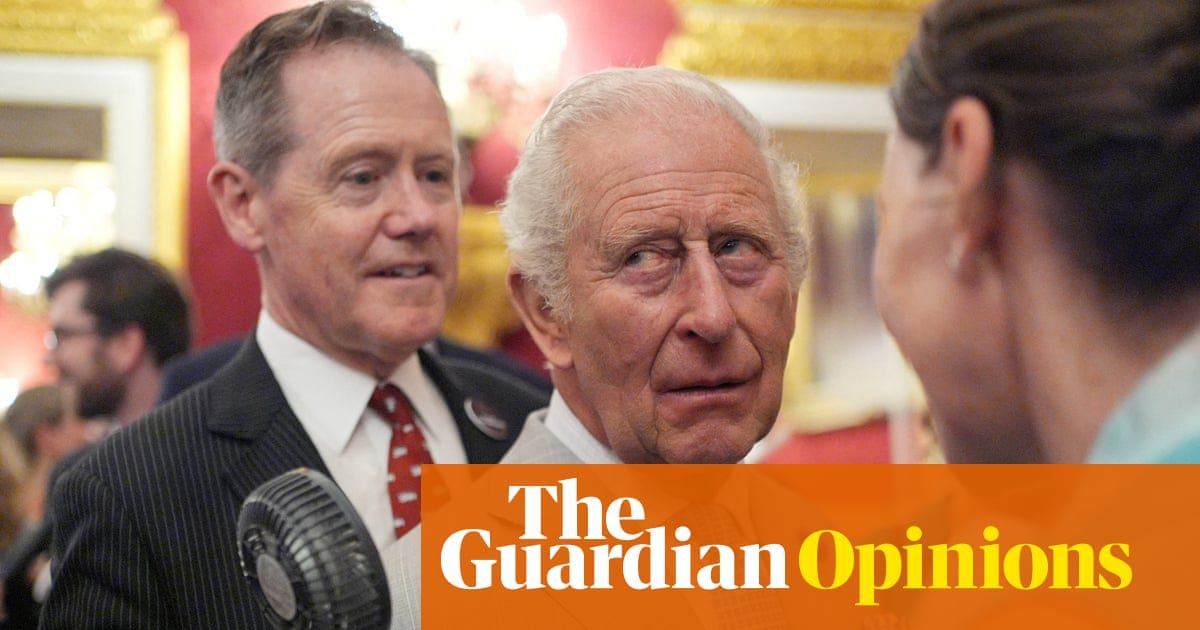
King Charles has disclosed a two-year tax bill of £24.6m without revealing his income, a move that obscures the true scale of public funding flowing to the monarchy as its share of state estate profits is set to rise.
King Charles has become the first modern British monarch to reveal his private tax bill, paying £24.6m over the past two years. However, he has refused to disclose the income, capital gains or deductions behind that figure. The disclosure provides no clarity on the true scale of the royal finances.
The lack of transparency matters because the monarchy relies heavily on public money. The king receives a sovereign grant calculated as a percentage of the profits generated by the Crown Estate, a publicly owned portfolio. This year, the grant gives the monarch 12% of those profits, equating to £132m, which will rise to £138m next year.
That percentage is set to increase significantly in the coming years. From 2027-28, the royal share will jump to 20.5%. The increase is scheduled to coincide with the expected fading of a windfall from leasing the seabed for offshore green energy projects. By raising the percentage rate as the absolute green energy profits decline, the palace ensures its public funding does not fall.
This funding mechanism lacks independent economic scrutiny. Three royal trustees—the prime minister, the chancellor and the keeper of the privy purse—decide the amount. In 2011, David Cameron removed periodic parliamentary scrutiny of royal finances and replaced it with this automatic claim on public estate profits, which he called "a generous settlement". At the same time, the Windsors classify their Duchy income, estimated at more than £1bn over the past 70 years, as "private".
The partial disclosure follows a scandal involving the king’s brother, Andrew Mountbatten-Windsor, and the late financier Jeffrey Epstein, which prompted MPs to investigate properties leased at cheap rates to the royal family.
For the public purse, the royal financial structure represents a unique exemption from standard accountability. In the 19th century, Queen Victoria paid tax on her civil list cash and revenues, but her heirs negotiated exemptions until 1992, when public anger over paying for Windsor Castle repairs forced a partial reversal. Today, a family with vast wealth receives automatically increasing public funding alongside state-financed renovations, all without basic income disclosures.