UK diverts £15bn from infrastructure to meet Nato defence target
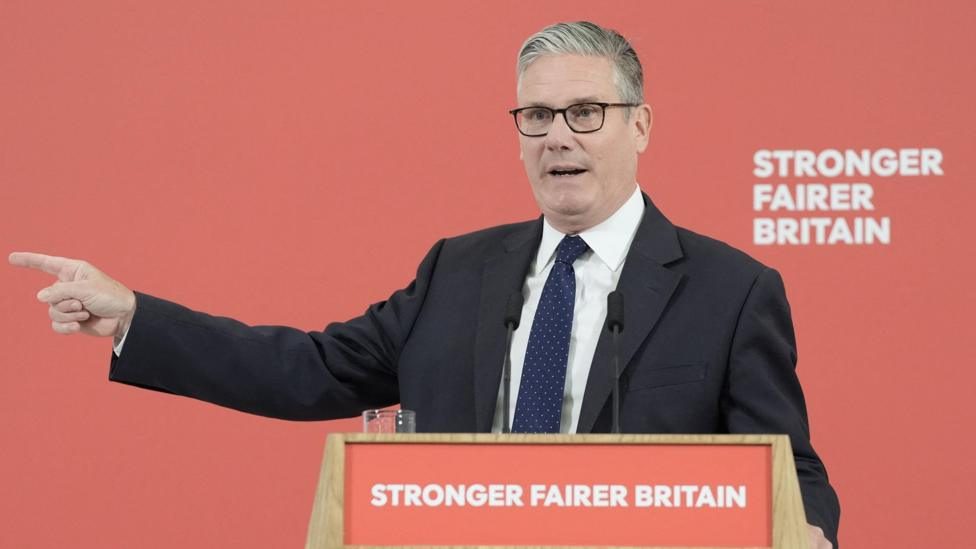
Prime Minister Keir Starmer has announced a £15bn increase in military spending funded by cuts to road and energy projects, setting a clear fiscal precedent for European capitals ahead of next week's Nato summit.
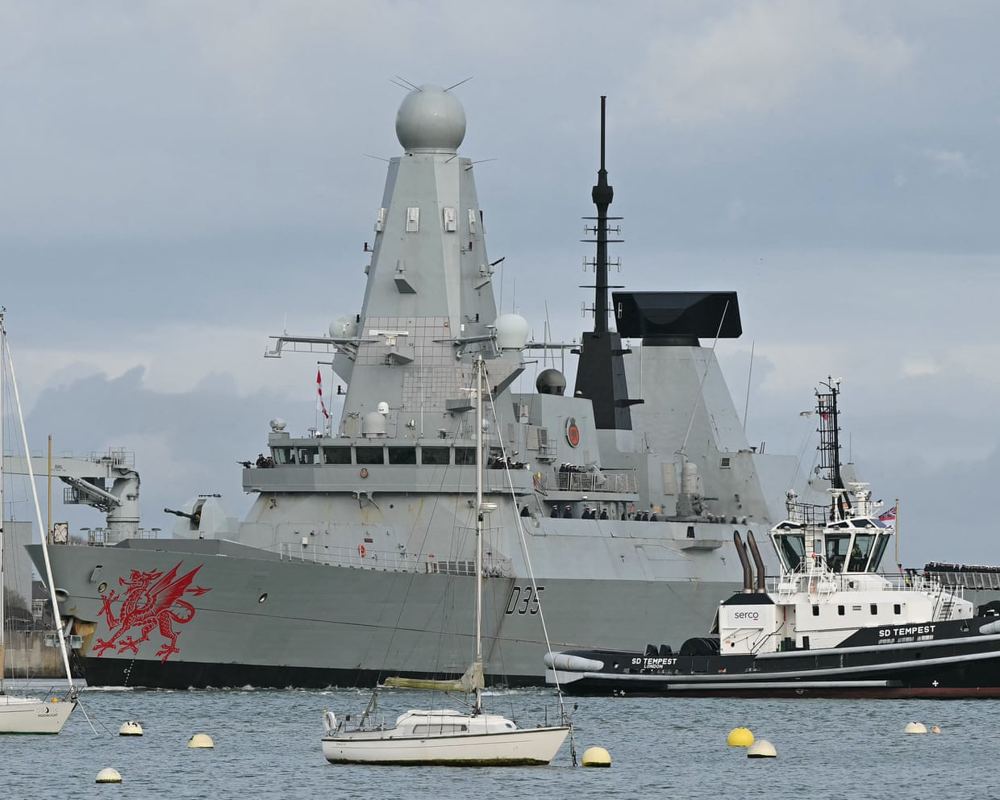
Prime Minister Keir Starmer has unveiled a long-delayed defence investment plan that will raise the UK's military budget to £80bn annually by 2029. The £15bn uplift, reaching 2.7% of gross domestic product, will be funded entirely by cutting 1% from the long-term investment budgets of other government departments rather than through borrowing.
The move forces a direct trade-off between domestic infrastructure and military readiness, a dilemma now confronting several European governments. By ruling out additional debt, Starmer is signalling to markets that higher defence budgets must come at the expense of capital projects.
The Treasury has currently identified £10.3bn in savings. The Department for Transport is saving £700m by considering the cancellation of the A38 Derby Junctions and A46 Newark Bypass schemes. A further £2bn is being stripped from the Department for Energy Security and Net Zero, with detailed plans delayed until the autumn.
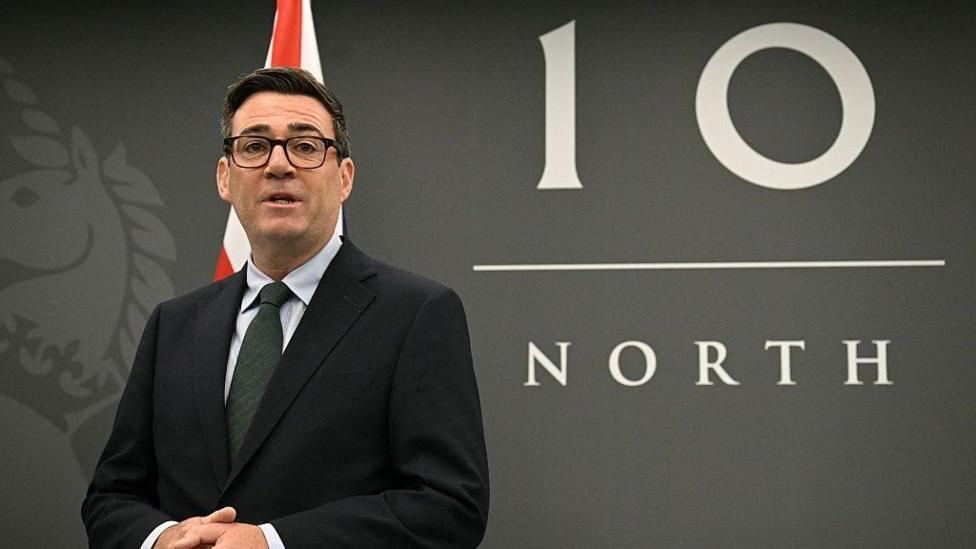
This leaves a £4.7bn shortfall that Starmer's widely expected successor, Andy Burnham, must plug in his first Budget. Defence Secretary Dan Jarvis confirmed discussions with Burnham but indicated he could not be fully briefed or grant sign-off on the complete plan.
European defence industrial partners will note the commitment of more than £8bn to the Global Combat Air Programme, a stealth jet venture with Italy and Japan. The blueprint also allocates more than £64bn to the nuclear deterrent, including new submarines and F-35A fighter jets, while £5bn funds a military "drone transformation".
To balance its own books, the Ministry of Defence must find £11bn in efficiency savings by 2030 through civil service reductions and slashed consultancy contracts. Several existing programmes are being scrapped entirely, including Storm Shadow missiles, a new satellite system, and Wildcat utility helicopters.
The plan falls short of the £28bn requested by defence chiefs and has triggered political fallout, prompting the resignations of former Defence Secretary John Healey and Armed Forces Minister Al Carns. General Sir Richard Barrons, an author of the UK's Strategic Defence Review, said while the publication "does count as progress", it would not "crack the issue". He added: "More has to be done sooner and that requires more money than is currently on the table".
Nato Secretary General Mark Rutte has urged members to present credible plans for reaching 3.5% of GDP on defence ahead of next week's leaders' summit in Turkey. He welcomed the UK's proposal as a "good step", stating that "stronger UK defence makes us all safer".