Likely UK PM Burnham signals shift to wealth taxes, public ownership
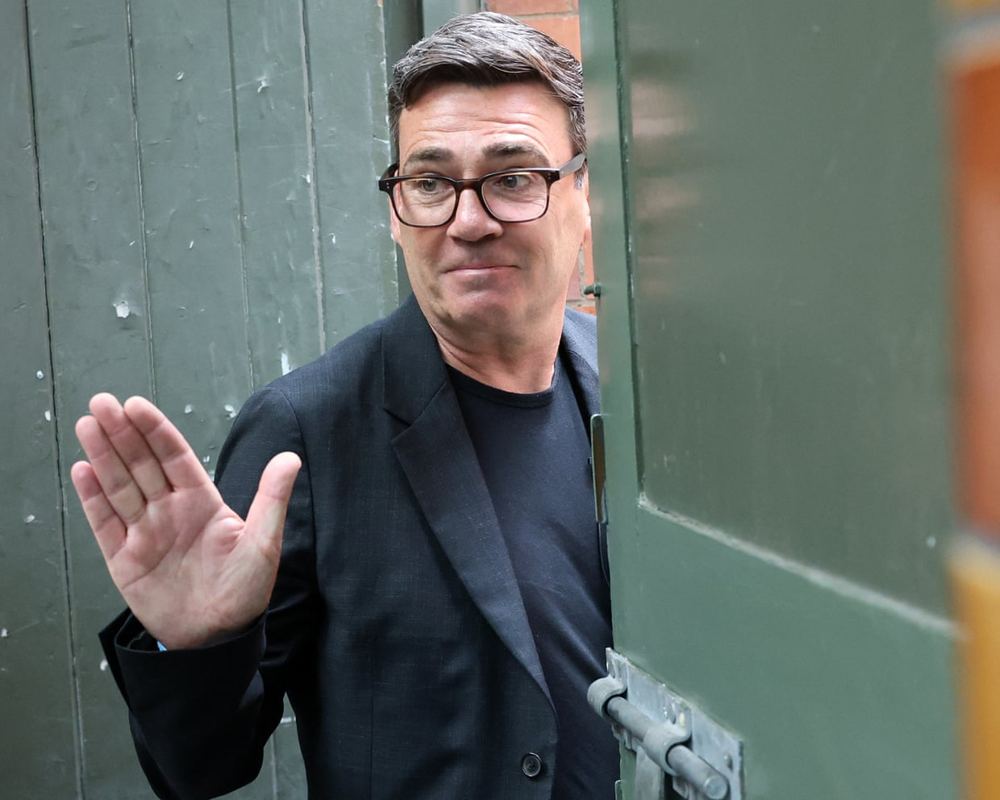
Andy Burnham is poised to become Britain's next prime minister, raising the prospect of a significant fiscal shift toward wealth taxes and public ownership of utilities after Keir Starmer's sudden resignation.
Andy Burnham is almost certain to become Britain’s next prime minister by the end of the summer, following Keir Starmer’s resignation a week ago. The former Greater Manchester mayor, who was not even a member of parliament until a fortnight ago, is widely expected to assume the role without a formal leadership contest.
His rapid ascent has created an unusual vacuum regarding his economic programme. Major trade unions are already lobbying over who should become chancellor, effectively debating the nation's fiscal direction before Burnham has even entered Downing Street.
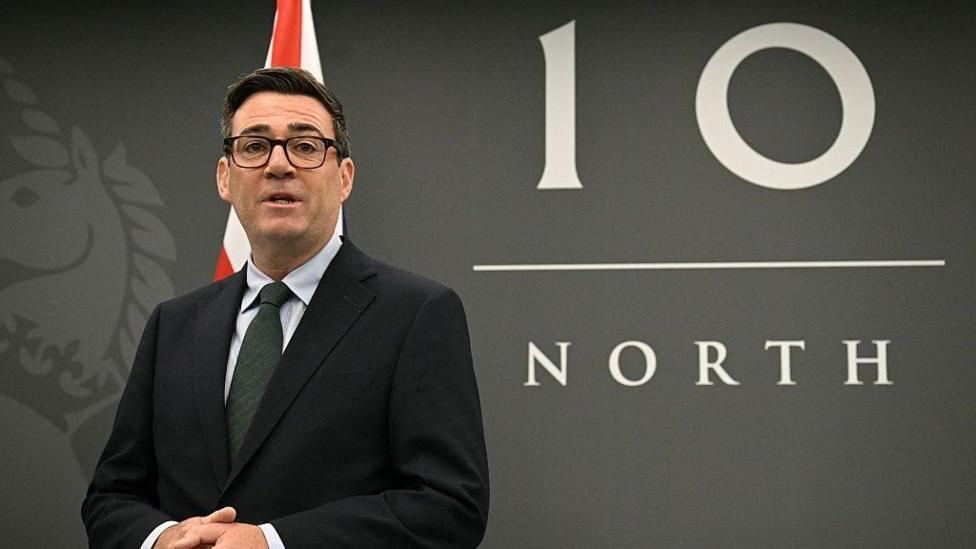
On Monday, Burnham offered his first glimpse of a governing philosophy, pledging to establish a "No 10 North" in Manchester. The initiative aims to decentralise power and drive economic growth across the country.
For markets and investors, Burnham’s 16-year parliamentary record suggests a notable departure from Starmer’s cautious fiscal stance. He is a long-standing advocate of taxing wealth rather than income, having floated a land value tax to replace council tax and stamp duty since 2010. Right-wing newspapers are already anticipating he will raise capital gains tax as part of a "radical new economic agenda".
Funding for public services will likely require further tax reforms. Burnham told the Guardian he "wouldn’t flinch" from tax changes to overhaul England's social care system, a priority he first pursued in 2009. He wants the delayed Casey review into adult social care, currently kicked to 2028, published by the end of this year.
On welfare, he recently stated he was "not squeamish" about reducing benefit spending, though he favours a "preventative" approach to get people back to work rather than "crude cuts". His approach to the cost of living includes bringing everyday necessities under public control, pointing to his experience with the Bee Network of buses and trams in Manchester.
Rumours of utility nationalisation remain unconfirmed, but his focus extends beyond basic bills. "People need to be able to look forward to a night out or a holiday with the kids," he said in his recent victory speech. "People need hope."
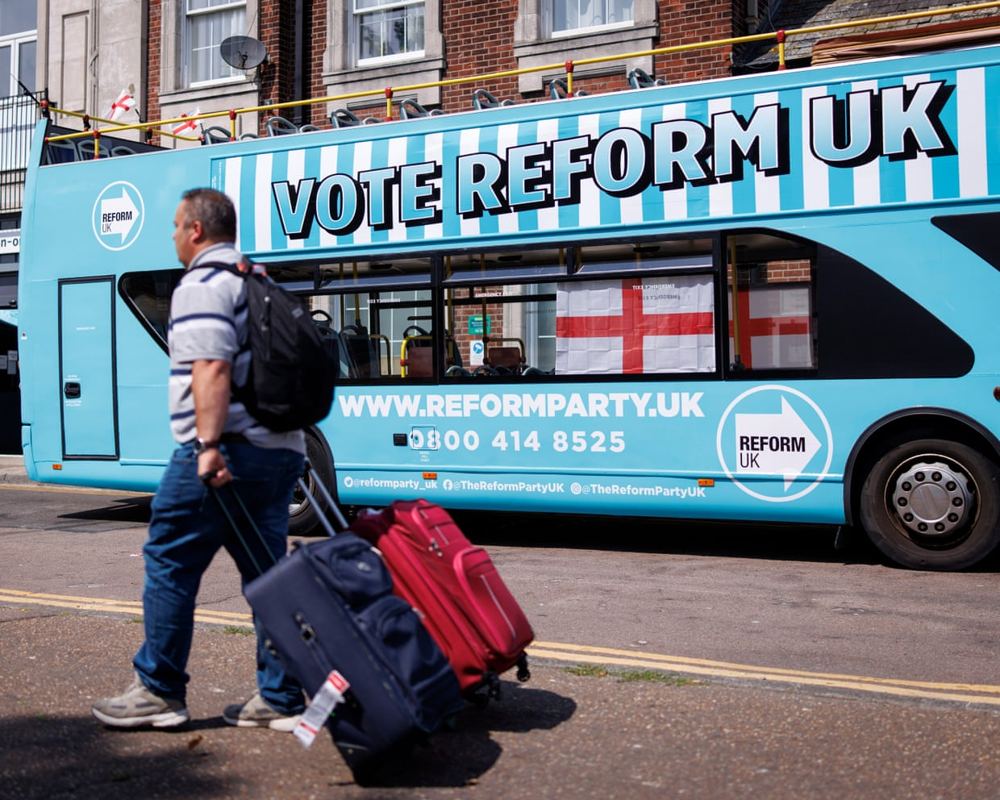
Burnham takes the reins amid deep disillusionment with Starmer’s centre-right economic approach and the looming threat of the right-wing Reform UK party. Whether he chooses to break decisively with the previous government's fiscal dogma will become clear once his economic blueprint is tested by markets.