Brompton sells £18m stakes to Decathlon, BA Capital
British folding bike maker Brompton has sold a combined 15% stake to Decathlon and Chinese investor BA Capital for £18m to secure retail expansion and fund its recovery from a post-pandemic market slump.
British folding bike manufacturer Brompton has sold a 15% stake to Decathlon and Chinese investment group BA Capital in a deal worth about £18m. The French sports retailer acquired a 10% holding through its Decathlon Pulse arm, while BA Capital took 5%.
The capital injection allows early backers and employees, including chief executive Will Butler-Adams, to liquidate portions of their holdings. More importantly for the company's future, it pairs Brompton with partners capable of expanding its retail footprint and unlocking its largest market.
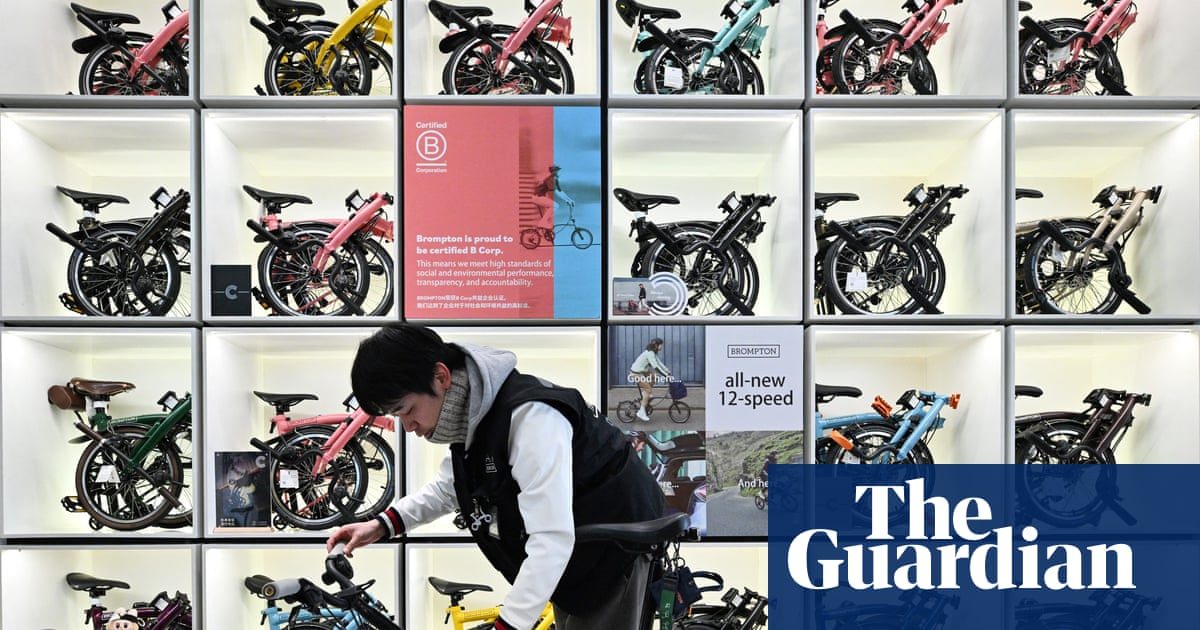
Brompton bikes, priced between £999 and nearly £6,000 for a top-tier titanium ebike, will soon appear in dedicated corners of a handful of Decathlon stores. “We want to bring our bikes to a wider audience,” Butler-Adams said. “What convinced us goes beyond the product: we share the same values, a strong culture of quality, and a long-term vision of sustainable urban mobility,” added Decathlon Pulse chief executive Franck Vigo.
BA Capital, an early investor in the Labubu soft toy maker Pop Mart and bicycle brand Tenways, will provide a gateway to China. Butler-Adams noted that China is currently Brompton’s biggest market. “We are in this partnership to learn,” Butler-Adams said of the Decathlon deal, a sentiment that extends to both new shareholders.
The partnerships arrive as the European cycling sector attempts to stabilize following a severe post-pandemic correction. A boom in demand during lockdowns crashed as commuters returned to offices and households cut discretionary spending amid a cost-of-living crisis.
Brompton’s most recent financial year, ending in March 2025, reflected this turbulence. Bike sales fell 7.5% to 78,530 units, and total revenue dipped 1% to £121.5m. However, aggressive cost-cutting lifted pre-tax profits from less than £5,000 to £130,476.
The company reduced its workforce by around 50 to 790 people, partly due to rising UK employer national insurance contributions. Butler-Adams argued the UK must do more to support entrepreneurs, warning that otherwise “most people just go and work for a bank or a consultancy.” He also urged a crackdown on dangerous, illegal ebikes that he said are “hampering the ebike market” in Britain, even as “well made quality ebikes are phenomenal for society and we have evidence of that in northern Europe.”
Despite domestic hurdles, the outlook is improving. Butler-Adams stated the industry is “over the worst” and that “cycling is in the ascendant” as global cities build more bike lanes. For the year to March 2026, sales are rising slightly, though profits are being suppressed by investment in new stores and product development. Founder Andrew Ritchie, who designed the original bike in 1975, remains the largest shareholder.