Zelensky ousts military chief as EU expands sanctions on Russian banks
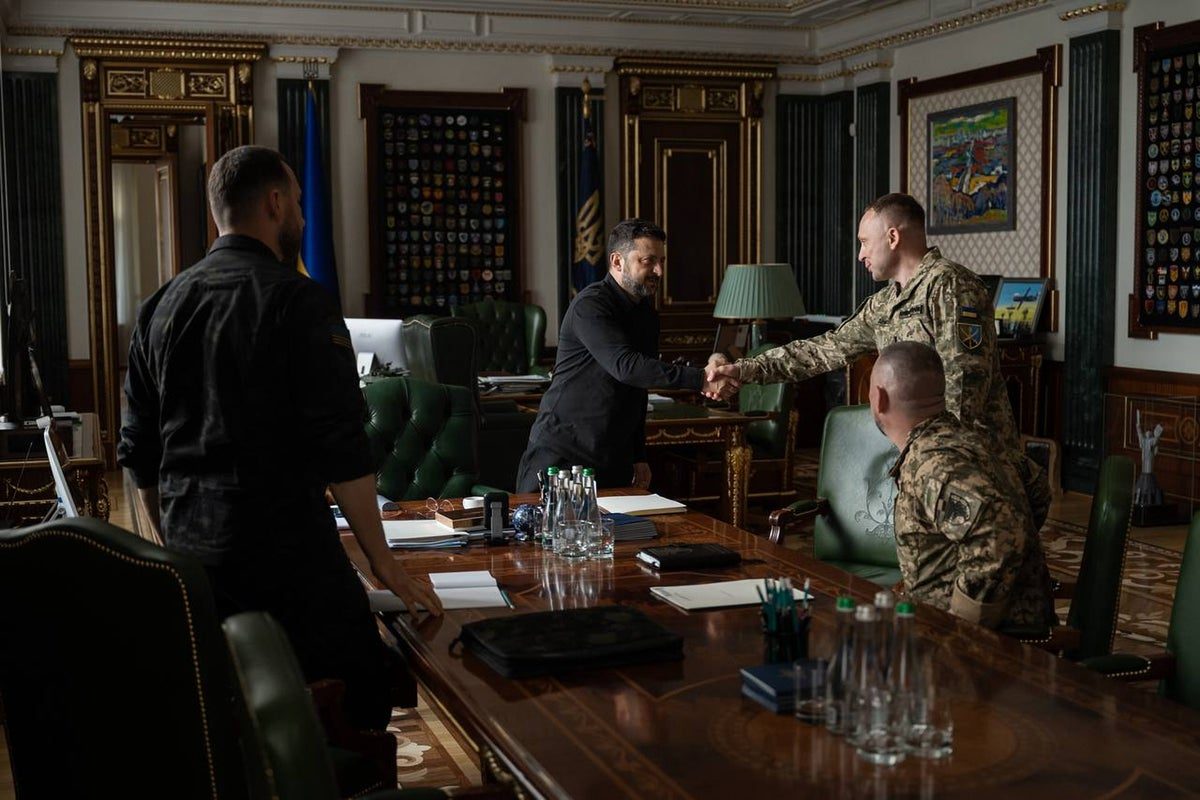
Volodymyr Zelensky has replaced Ukraine's top military commander following nationwide protests, while EU diplomats negotiate a sweeping new sanctions package targeting over half of Russia's internationally connected lenders.
Volodymyr Zelensky has fired the head of Ukraine's armed forces and replaced him with Major General Mykhailo Drapatyi, following a week of mass public protests demanding the change. The demonstrations were sparked by the prior dismissal of former defence minister Mykhailo Fedorov, with crowds demanding his return and the removal of General Oleksandr Syrskyi.
The unrest highlighted a public rift over military leadership, with demonstrators viewing Syrskyi as a relic of Soviet command and Fedorov as a technological moderniser. Zelensky has since offered Fedorov a "respected position" in government to unify the country's technology sector, though it remains unclear if the offer was accepted or if it will quell the demonstrations.
Syrskyi left his post claiming progress, stating on Telegram: "I am handing over to my successor an army that is not only holding the defence but is also on the offensive." He noted that Ukrainian forces had recaptured 700 sq km of territory this year. His 43-year-old successor is a career combat commander known for stabilising critical front-line sectors, and Zelensky has vowed that "deep strikes" on Russia will continue under his leadership.
Economic warfare escalates
The leadership change coincides with Brussels pushing a 21st sanctions package aimed at crippling Moscow's remaining financial networks. The draft lists about 215 individuals and entities, including 94 financial institutions. Close to 90 of these are banks, a move that would push the total number of sanctioned Russian lenders past 100—more than half of the country's 213 internationally connected banks.
EU diplomatic sources said the strategy is designed to discourage third countries from maintaining financial ties with Moscow. A European intelligence report warned in June that targeting Russia's banks in this manner could trigger an "explosive" economic shock, a risk Russian authorities have publicly dismissed.
The economic dimensions of the conflict are increasingly visible in the Black Sea. Ukrainian drones struck 13 Russian vessels over the past 48 hours, while Moscow attacked a Ukraine-bound gas tanker near Romania's coast and struck port infrastructure in Odesa.
Inside Russia, the war is inflicting measurable damage on domestic commerce. Ukrainian drone attacks have repeatedly hit warehouses belonging to Wildberries, Russia's largest online retailer, which processes over 20 million orders daily. Weekend strikes killed eight workers and disrupted logistics. Kremlin spokesperson Dmitry Peskov acknowledged the fallout, telling journalists: "The situation is indeed difficult because of the losses suffered both by the company itself and by representatives of small and medium-sized businesses."