Czech Republic used to be one of the EU’s most fiscally conservative hawks, now it demands more cash
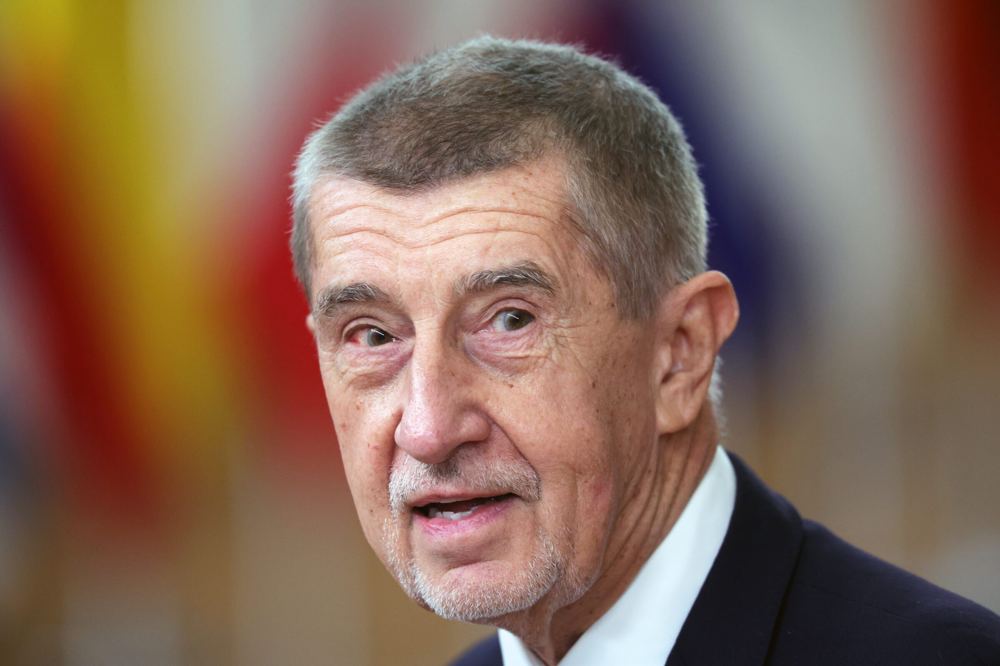
Through his ultimatums for a higher EU budget, Czech prime minister Andrej Babiš has manufactured ammunition for his anti-EU political allies across the continent. Europe will remember Czech Republic for its self-centred, arrogant and cunning approach to EU long-term budget negotiations
When the Czech Republic joined the EU, a story was told about the country’s membership of this prestigious member’s club.
22 years ago, Czechs told themselves that bloc accession was merely a return of a great European nation to a group it had always belonged to.
Czech Europeanism was controlled by the centre-right. Under the Czech doctrine, informed by liberal economics theory, the EU was to become more pragmatic, rational and efficient.
Like the Anglo-Saxons, the Czechs thought they would debate wasteful agricultural policy, bloated subsidies and shortcomings in European competitiveness.
Brexit complicated our political orientation towards the UK, a bastion of political rationality. It was no longer clear who in the EU should serve as the Czech Republic’s model ally on key economic and constitutional questions.
Czech political parties dared not point to their neighbours: Germany, a dominant economic power; or Poland, deemed too behind.
Public debate gave the impression that Czechs saw themselves as almost on Scandinavia, where people did not believe in the euro and everything worked as it should.
Then a man named Andrej Babiš rose to prominence; he was elected prime minister twice.
Marek Švehla works for Respekt magazine since 1994. He previously served as editor-in-chief of the Prague-based publication, then heading the commentary section. He writes about Czech and international politics, history, and issues concerning the environment and transportation.