Wildfires disrupt Tour de France and southern European economy
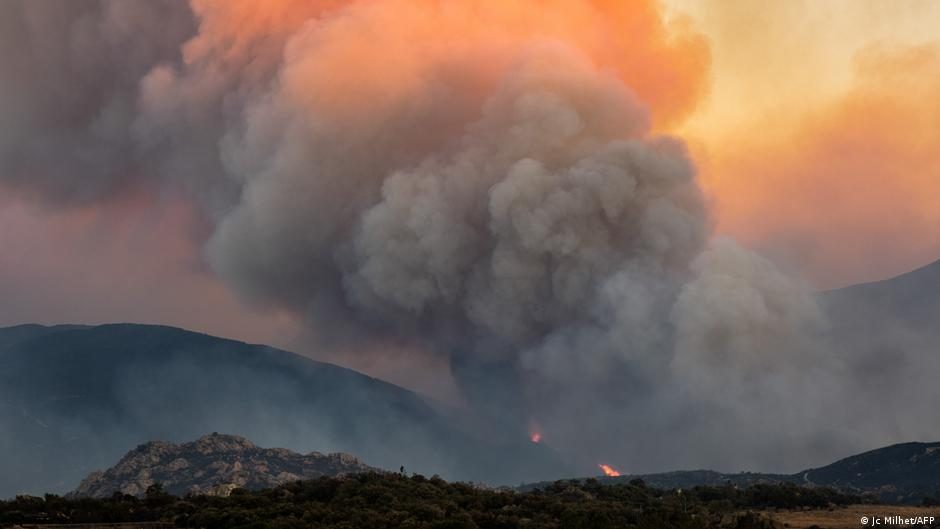
Wildfires ravaging southern Europe have forced the unprecedented cancellation of Tour de France spectators and threatened key tourist and industrial zones, highlighting the mounting economic toll of climate-driven extreme weather.
Wildfires across Portugal, Spain, France and Greece have devastated more than 20,000 hectares of land, forcing mass evacuations and directly disrupting major economic and public events. The blazes follow severe heatwaves in May and June that were blamed for thousands of deaths.
In France, the most visible disruption centres on the Tour de France. Authorities have banned spectators from Monday’s third stage, a 196-kilometre route crossing from Spain into the Pyrenees, allowing only riders and team vehicles. "I regret having to say this: It will be, in France at least, a stage of the Tour de France without spectators," said regional prefect Pierre Regnault de la Mothe. The ban follows the evacuation of 10,500 people near Perpignan, where a separate fire has ravaged more than 4,600 hectares.
Spain’s critical tourism sector is facing immediate physical threats. A fire in the northeastern Girona region erupted on Friday and has burnt nearly 2,200 hectares, remaining uncontrolled as of Monday. The blaze directly threatens the tourist beaches of the Costa Brava. With temperatures exceeding 40 degrees Celsius in parts of the country, authorities are bracing for further blazes that could extend the damage to the hospitality industry.
Industrial operations have also been caught in the destruction. In Thessaloniki, northern Greece, a forest fire set alight two factories, prompting local evacuations and warnings for residents to keep windows closed. In Portugal, firefighters brought a massive blaze under control after it devastated roughly 13,000 hectares of forest and scrub land in a northern district, though four regions remain on heat alert.
Hundreds of firefighters are also deployed across southeastern France’s Drome department to contain another mountainous fire. Scientists consistently link the increasing frequency and severity of these heatwaves to human-driven fossil fuel emissions. For European markets and local economies, these events translate into direct capital losses, disrupted supply chains, and a recurring threat to the summer tourism seasons that many southern regions heavily rely upon.