EU fund deadline forces Italian summer rail chaos
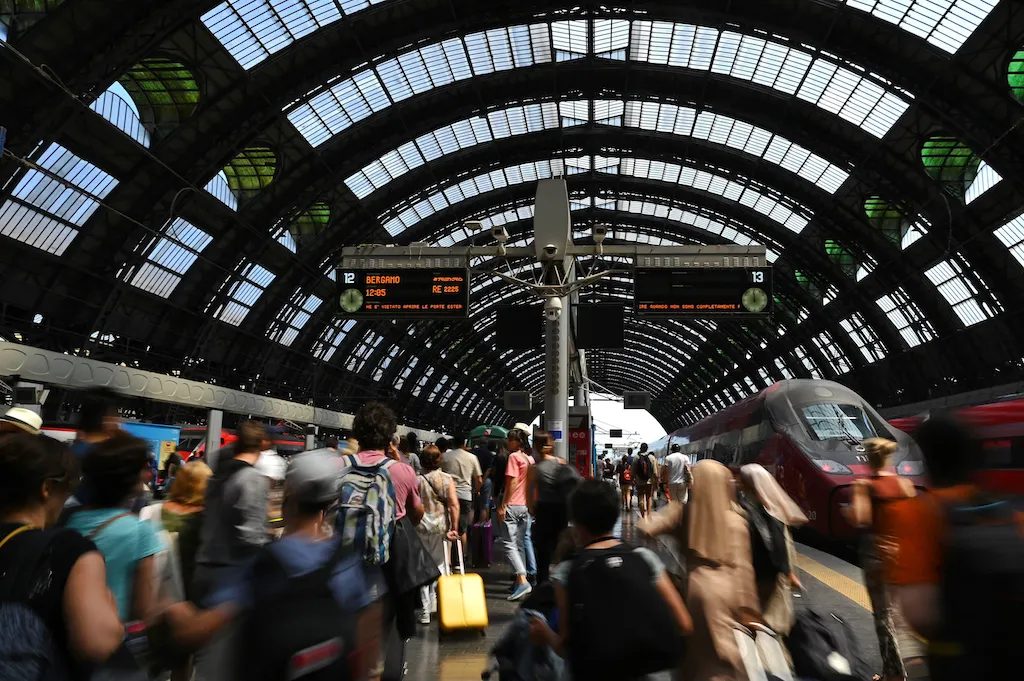
Italy is deliberately crippling its high-speed rail network this summer to meet a 2026 EU recovery fund deadline, threatening peak tourist season revenues.
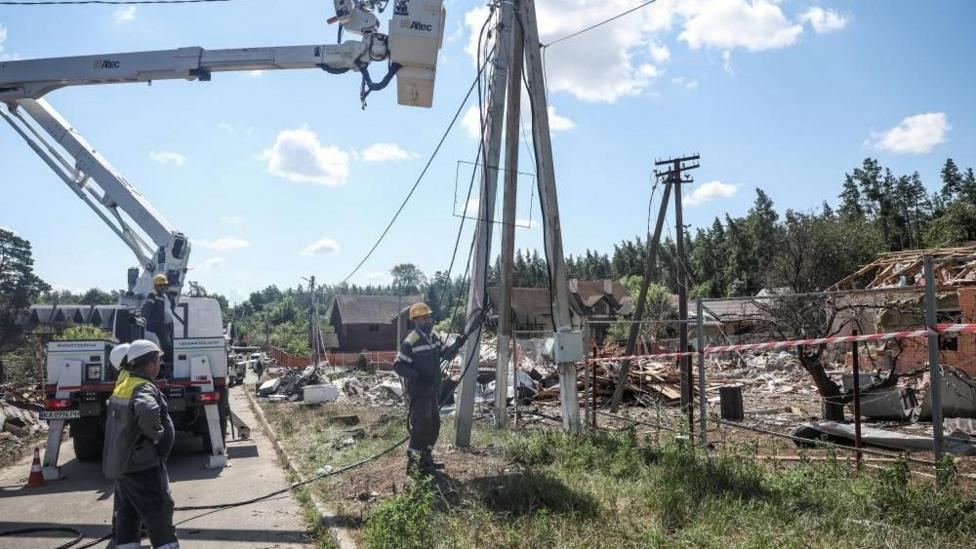
Around 1,300 construction sites will disrupt Italy’s rail network this summer as the government rushes to deploy EU recovery funds before a 2026 deadline. State-owned operator RFI has scheduled the bulk of the work for July and August, despite these months forming the peak of the country's tourism season.
The most severe bottleneck will hit Florence’s Santa Maria Novella station on July 5th-10th and July 26th-30th. Workers are replacing the 140-year old Ponte al Pino railway overpass at a node critical to north-south travel. National media has warned the works will effectively split the country in two, with RFI confirming journey times between Rome and Milan will double from three to six hours.
Subsequent projects will cascade across the north. The Brennero, Verona line faces interruptions from July 18th to August 1st, including a complete suspension between Bolzano and Brennero on July 18th. Trenitalia will cancel high-speed Frecciarossa services on the Milan-Bolzano and Pescara-Bolzano routes from July 20th-26th.
The Milan, Genoa line will shut down entirely between Pavia-Voghera and Pavia-Pinarolo Po from July 20th to August 28th. Further closures will hit the Milan, Venice high-speed line from August 2nd, 16th, the Milan, Bologna line from August 10th, 17th, and the Florence, Rome line from August 10th, 28th.
Economic risks of the EU deadline
RFI chose the summer window because overall train travel intensity is at its lowest. However, relying on a seasonal dip in commuter traffic ignores the massive surge in tourist mobility. Italy’s economy is heavily dependent on summer visitors, and crippling the primary transport arteries connecting major cities carries a direct cost to the hospitality sector.
Parent company Ferrovie dello Stato insists key holiday routes are protected. “Specifically, the Adriatic and Tyrrhenian lines, trains in Liguria, and connections to and from Puglia will remain open, as they are considered strategic during the peak travel period”, FS News stated. Yet, protecting coastal routes offers little comfort to visitors trying to cross the peninsula or connect between major inland cultural hubs.
Consumer groups have sharply criticized the timeline. Watchdog Codacons noted in May that the works were scheduled "precisely when travel by residents and tourists across the peninsula is increasing." The group is demanding compensation and discounts, pointing out that 2026 will mark Italy’s "third consecutive summer marked by rail disruptions." The recurring chaos underscores the difficult trade-off between adhering to strict EU spending timelines and maintaining the infrastructure a tourism-driven economy requires.