Blood shortages in Gothenburg and Malmö risk delaying surgeries
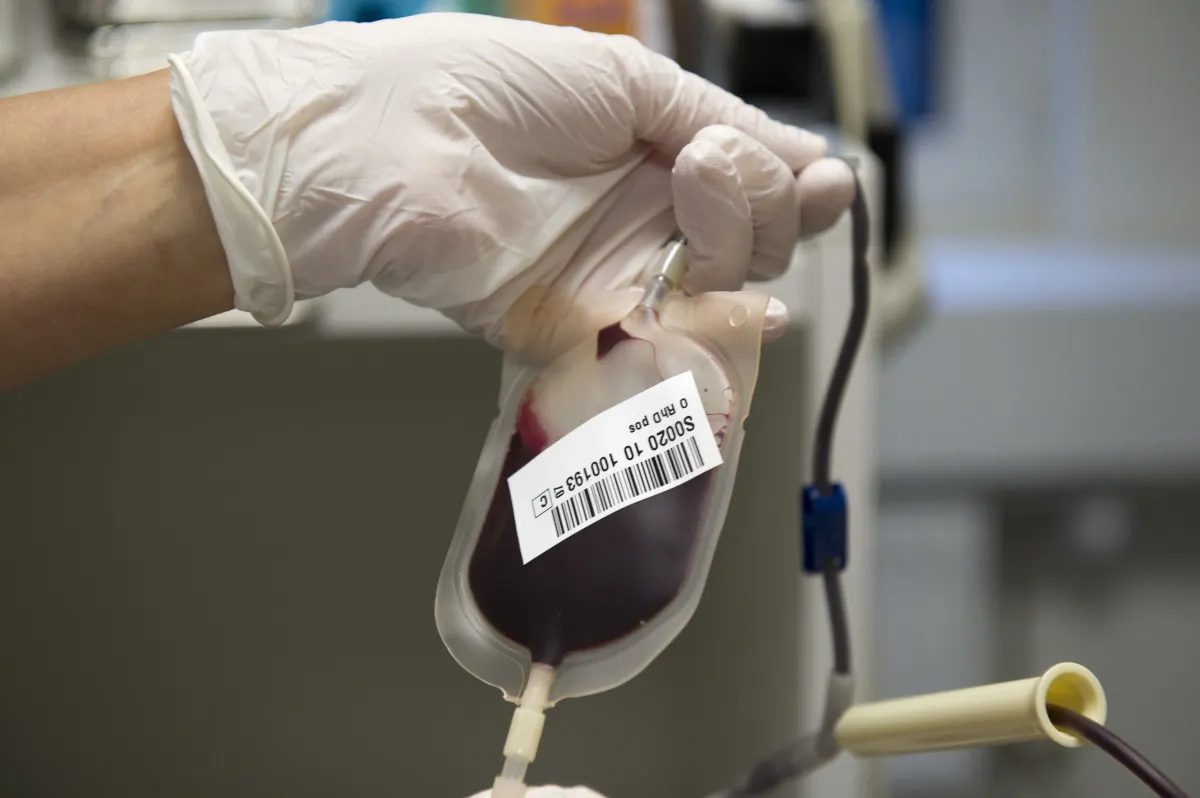
A sharp drop in summer blood donations is threatening to disrupt healthcare and delay surgeries in Sweden's second and third largest cities.
Blood supplies have fallen to critical levels in Gothenburg and Malmö, Sweden's second and third largest cities, threatening to disrupt the healthcare system. In the Västra Götaland region, which includes Gothenburg, hospitals are reporting severe shortages of blood types A and O, both negative and positive, alongside AB negative. Further south in Skåne, home to Malmö, the blood centre network Geblod described an even more pressing "acute shortage" of O and A negative blood.
The depletion poses a direct threat to routine medical operations and the regional economy. "The situation is serious," said Anna Wiberg, chief physician for transfusion medicine in Västra Götaland. "When blood stocks get too low, large parts of the healthcare system are affected."
The primary driver is the peak summer holiday season, which causes a sharp decline in donor turnout. Wiberg warned that if current trends hold, hospitals will be forced to postpone planned surgeries, creating operational bottlenecks for medical facilities. The supply crisis, however, is not uniform across the country.
Initial reports by the TT news agency suggested the capital was facing similar deficits, but Stockholm's reserves are currently stable. "We're not seeing a risk of a shortage," said Åsa Lindström Hammar, Stockholm's chief physician. Still, she urged donors to keep donating blood even when they are off work.
Efforts to replenish the falling stocks in the south and west are complicated by a structural barrier in Sweden's regionalised healthcare governance. English speakers are only permitted to donate blood in Stockholm, Uppsala, and Gothenburg. This restriction exists because donors must fully comprehend the health declaration they sign to guarantee the safety of the blood supply.
Because healthcare operations are decentralised, it falls to individual regions to implement translations and train staff in medical English. Stockholm became the first region to adopt this practice in 2019. Consequently, as affected regions scramble to rebuild their stocks, a significant segment of the resident international population remains excluded from alleviating the shortage in most of the country.