UK orders youth custody reforms after decades of abuse
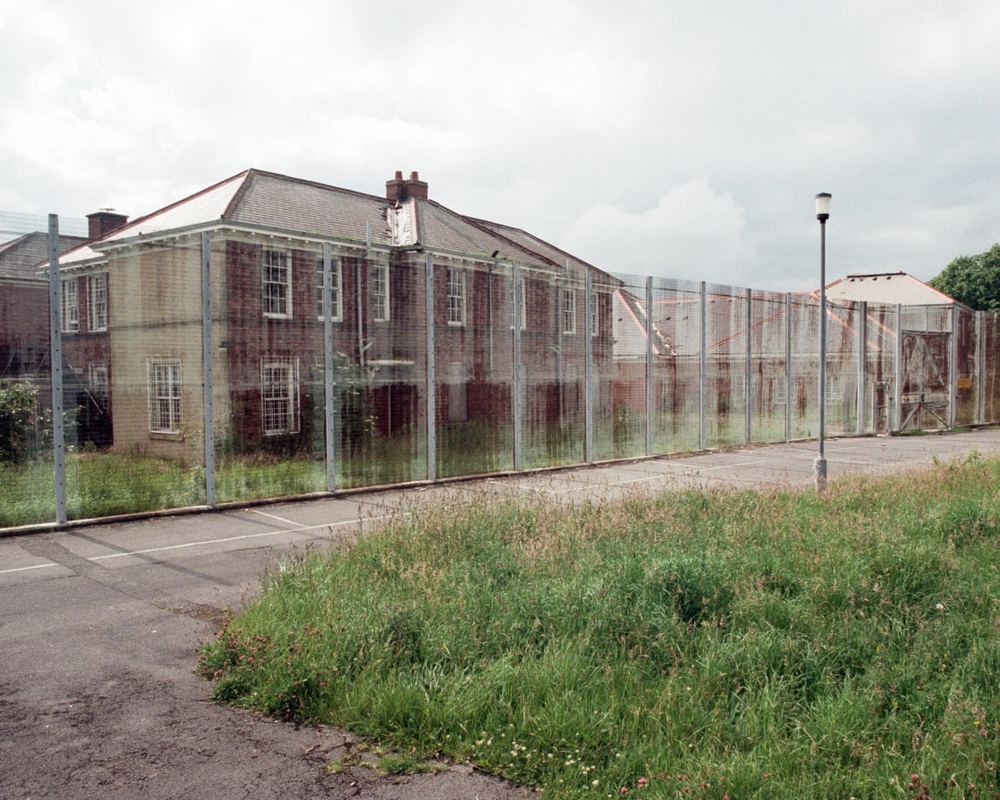
The UK government is overhauling safeguarding in youth detention centres after an inquiry exposed the systemic sexual abuse of more than 2,000 boys, a failure a minister blamed on institutional class bias.
The UK government will implement 34 new safeguarding measures across its youth custody estate, responding to a historical scandal where paedophile Neville Husband raped and tortured boys at Medomsley detention centre between 1961 and 1987.
A six-year police investigation identified more than 2,000 victims of what the sentencing and youth justice minister, Jake Richards, described as “industrial sexual abuse and rape of some of the most vulnerable boys in our society.”
For European observers monitoring state accountability in juvenile justice, the scandal highlights how institutional prejudice can blind authorities to systemic atrocities. Such blind spots are a recurring challenge across European child welfare systems, where marginalized demographics often lack the political capital to force accountability.
Richards stated he is convinced the abuse was collectively ignored by politicians and the media because the victims were “working-class boys from the north of England.” He noted a prevailing culture that deemed these minors intrinsically criminal, regardless of their actual offences. “I met one victim who was put in Medomsley because he had taken a jacket from a car on a freezing night,” he said.
The government’s chief social worker for children and families, Isabelle Trowler, led the subsequent review. Her 34 recommendations mandate tougher staff vetting, enhanced training, and the assignment of a dedicated child protection social worker to every youth custody site in England and Wales.
“Meeting children currently in custody and hearing directly about their experiences has been both a privilege and a profound responsibility,” Trowler said. “We owe it to them, and to those who suffered in the past, to ensure that the findings of this review lead to meaningful and lasting change.”
The reforms also raise broader questions about the independence of oversight in state institutions. Prisons and probation ombudsman Adrian Usher, whose initial report prompted the government apology and review, warned that historical failures still demand scrutiny.
“My investigative report revealed the full scale and horror of what happened to thousands of victims at Medomsley detention centre,” Usher said. “The abuse that took place there was a profound failure by those responsible for the care and protection of children and young people in custody, and prompts the question, even today, is the governance and oversight of prison staff conduct in the right place and would it benefit from more independence?”