Ukraine targets seven Nato drone deals as defence role shifts
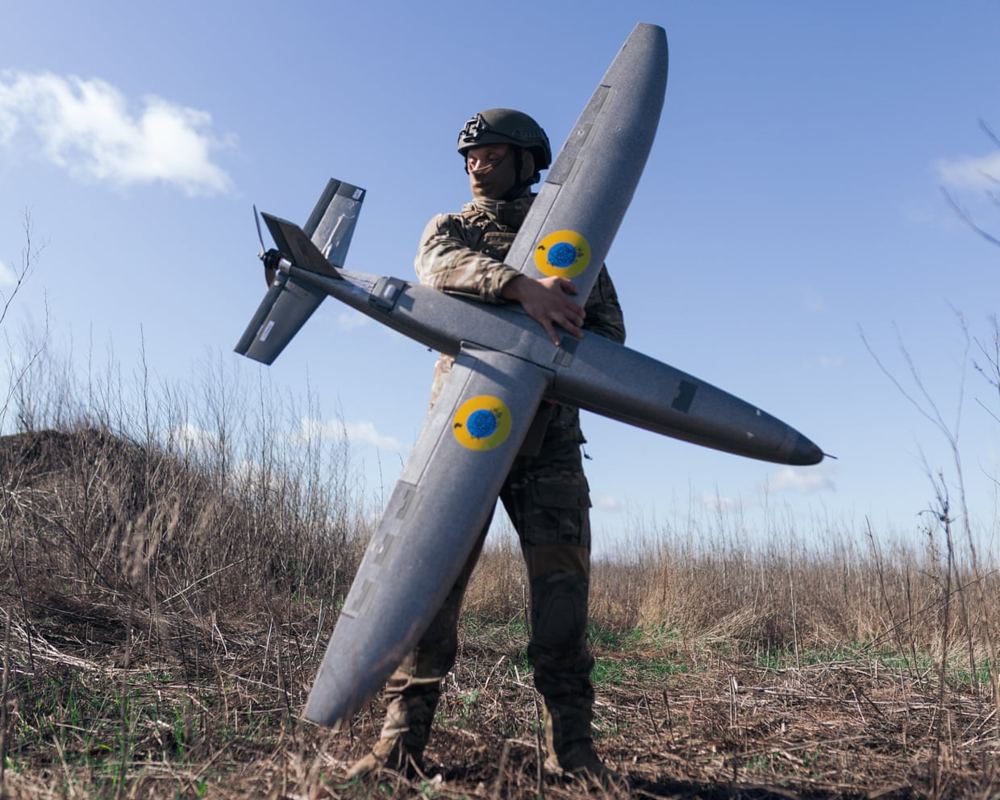
Ukraine is seeking agreements with at least seven Nato countries by year-end to export its drone defence expertise, a shift that positions Kyiv as an essential partner in Europe's push for strategic autonomy.
Ukraine aims to sign "drone deals" with at least seven Nato countries before the end of the year, building on recent agreements with six nations including Latvia and Lithuania. The push marks a deliberate pivot in Kyiv’s foreign policy, reframing a nation traditionally seen as a recipient of military aid into a critical provider of air defence technology and doctrine.
As Europe prepares for a future with less reliance on American security guarantees, Ukraine’s battlefield experience has become a highly valued commodity. Despite the name, the agreements are not primarily about shipping hardware, as Ukraine’s manufacturing capacity remains tightly restricted by its own war effort.
“The initiative is called the drone deal, but it actually covers way more than just drones … what’s even more important is the experience and knowledge,” said Davyd Aloian, deputy secretary of Ukraine’s security council. Kyiv is instead selling an operational ecosystem: the radar systems, sensors, ground stations, and tactical knowledge required to neutralise sustained drone attacks.
This consultancy model was proven during the recent US-Israeli conflict with Iran. Gulf states like Saudi Arabia, the UAE, and Qatar bought western interceptor drones but found them ineffective without Ukrainian guidance on integration. “The interceptor drone is only a drone. It doesn’t mean that you will be able to shoot down Shaheds with it,” Aloian noted. “You need the drones, but you also need sub-components, sensors, ground stations and, even more importantly, the radar systems.”
For European Nato members, the need for this expertise has become immediate. Latvia’s government collapsed in May after Russian electronic warfare pushed two Ukrainian drones off course, striking an oil storage facility. Lithuania also triggered air raid sirens during a similar airspace violation. Both nations have since signed deals, with Latvia announcing plans to open a joint drone production facility in the east of the country.
A European Patriot alternative
Beyond short-range drone defence, Ukraine is attempting to build a European alternative to the US-built Patriot missile system to address the continent's vulnerability to ballistic attacks. President Volodymyr Zelenskyy has made producing such a system a top priority, with discussions already underway between European political leaders and major arms companies.
The shifting dynamic is reshaping how allies view Kyiv. “When I arrived at Nato and talked about Ukraine’s potential as a security provider there was often a look of hesitancy in people’s eyes,” said Alyona Getmanchuk, Ukraine’s ambassador to Nato. “Now some of the same people often start conversations by saying this. It’s become fashionable to talk about Ukraine in this way.”