US arms exports triple as Washington uses foreign sales to fund rearmament
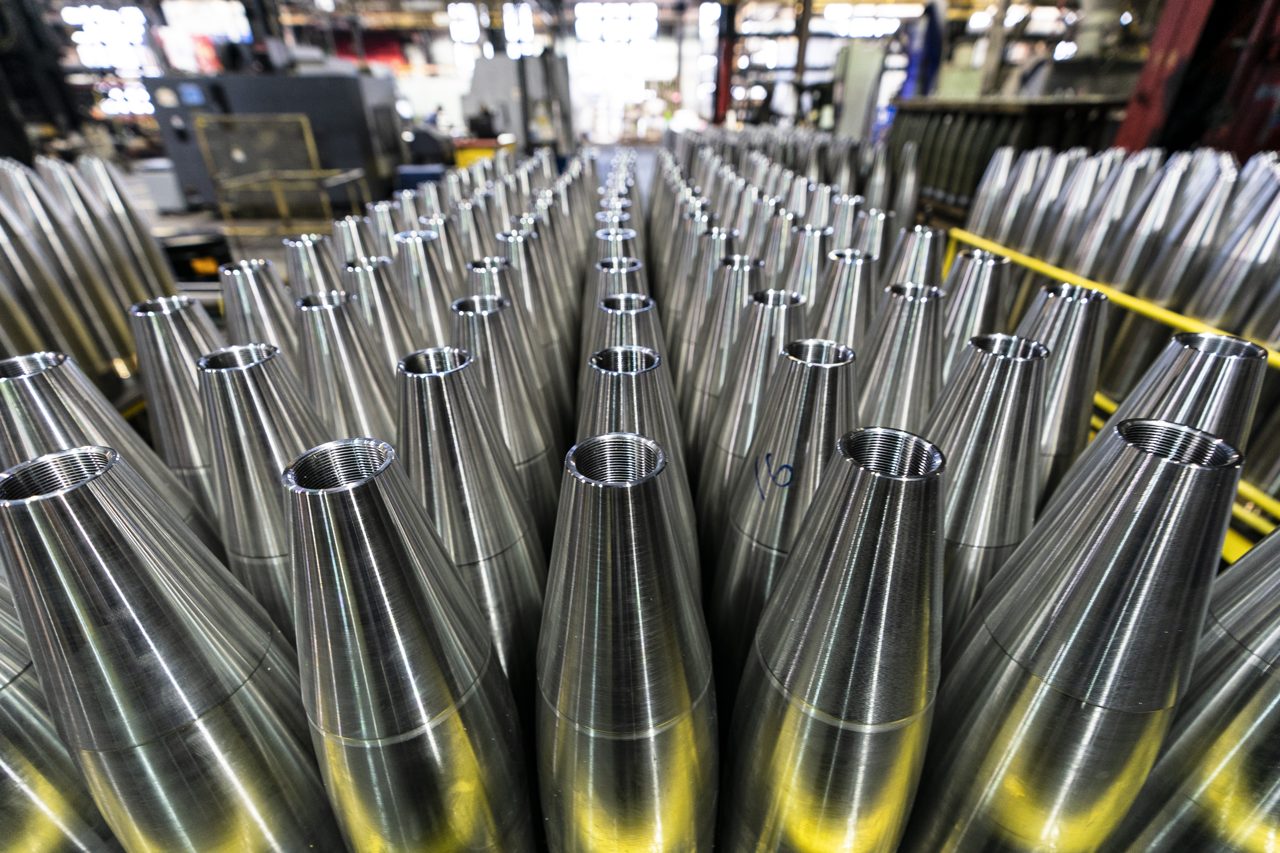
A new study shows the US defence industrial base is recovering from munitions shortages, but its strategy to use European arms purchases to fund American reindustrialisation will reshape transatlantic defence markets.
The United States defence industrial base is showing measurable progress in preparing for sustained major conflict, though significant supply chain vulnerabilities remain. According to a new study by the Center for Strategic and International Analysis, roughly 10,000 new firms have entered the American defence market over the past two years. Nontraditional companies secured over $120 billion in contract obligations in fiscal year 2025, while munitions contract obligations have surged 330 percent since 2010.
A transatlantic funding model
For European governments and defence contractors, the most consequential finding is Washington’s explicit strategy to fund this ramp-up using foreign capital. US Foreign Military Sales have more than tripled, jumping from less than $20 billion in 2015 to over $80 billion in 2025. The Trump administration cemented this approach in February 2026 with the "America First Arms Transfer Strategy." A White House executive order stated the US "will use foreign purchases and capital to support domestic reindustrialization, expand production capacity, and improve the resilience of the United States defense industrial base."
This positions European orders for critical platforms like the F-35 fighter as direct subsidies for American industrial expansion. As Washington prioritizes its own capacity, European defence ministries may face longer lead times or pricing pressure on shared supply chains.
Shifting to cheap munitions
The conflict in Ukraine, alongside hostilities involving Iran, has rapidly depleted stockpiles of expensive guided weapons. In response, the Pentagon is pivoting toward volume. Its 2027 budget request allocated 49 percent of munitions spending to low-cost weapons, defined as costing less than $600,000 each. That share is projected to reach 70 percent by 2031.
To secure this output, the military is signing multiyear agreements with producers and suppliers on a historic scale. Investments are flowing directly to manufacturers like L3Harris Missile Solutions. However, the CSIS analysis warned this rapid influx of new entrants and surging demand "complicates competitive dynamics within the industry."
Lingering supply chain gaps
Despite the influx of capital, manufacturing lead times and material stockpiles still lack resilience. Federal investment in rare earths has driven domestic production up from 95 tons in 2022 to 8,900 tons in 2025. Yet researchers cautioned that reversing decades of Chinese dominance in this sector "will take several years of enduring effort for the United States and its allies."
Ultimately, the pace of American rearmament will be dictated by how the Pentagon chooses to spend its money. “It’s a monopsony,” said study co-author Jerry McGinn. “Government sets the market. Government can regulate the market. So, if the government wants different outcomes, it changes how it buys.”