Sweden fortifies Gotland as Nato bastion despite rearmament snags
Sweden is rapidly turning the Baltic Sea island of Gotland into a fortified NATO outpost to block Russian expansion, highlighting both the massive economic cost of European rearmament and the severe equipment bottlenecks constraining it.
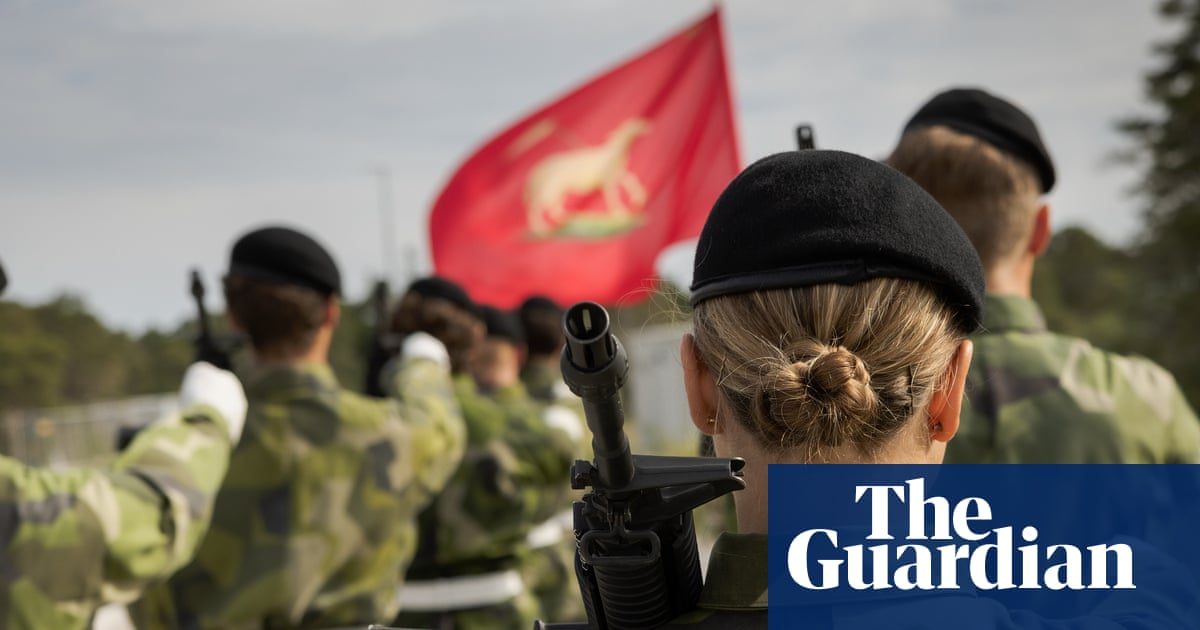
Sweden is rushing hundreds of new conscripts to its largest island, Gotland, to man a re-established regiment tasked with controlling the strategically vital Baltic Sea. The rapid remilitarisation of the holiday destination, located just 275km from the Russian exclave of Kaliningrad, marks a stark reversal of the post-Cold War era. The island's last regiment was shuttered in 2005, down from a Cold War peak of 25,000 soldiers.
The buildup represents a massive economic commitment for Stockholm, with defence spending slated to hit 2.8% of GDP in 2026 and 3.1% by 2028. However, this surge in European demand is colliding with supply chain realities. Colonel Andreas Gustafsson, the island's army commanding officer, warned that Nato's simultaneous expansion means allies are all competing for the same hardware. “It takes time to get hold of military equipment, particularly artillery systems, and acts as a limiting factor for expanding our capabilities,” he said.
Securing Gotland is essential for Nato because the island controls sea and air operations in the region, effectively acting as a lock on the entrance to the Baltic states. Swedish defence plans for 2025-30 explicitly name a surprise attack on Gotland as a top-tier priority requiring specific planning. While espionage or sabotage is currently more likely than a conventional strike, Gustafsson cautioned that a peace deal in Ukraine could free Russian forces to pivot quickly toward the alliance's eastern flank.
The militarisation extends beyond the barracks into civilian life, turning Gotland into a testing ground for Sweden's "total defence" strategy. Residents like Eva Rinblad have formed local preparedness groups under the "Stark socken" scheme, inventorying neighbourhood water, power, and communications to withstand potential supply disruptions. Later this year, authorities will conduct a test emergency evacuation of several hundred people across the island.
This profound societal shift is not without local friction. Stockholm University professor Emil Edenborg noted that the sudden military footprint has acted as a "wet blanket on island life," sparking complaints over building permits and windfarm development. Despite the tensions, Mikael Frisell, head of Sweden's civil defence agency, said the island's forced self-sufficiency is now serving as a resilience template for the rest of the country, drawing interest from the UK.