Pentagon's priciest weapons face 12-year average delays
A US government watchdog reports that the Pentagon's major weapons programs now take over 12 years on average to deliver, raising serious planning risks for European allies relying on American military hardware.
The US Government Accountability Office has found that the Pentagon’s major defense programs are failing to deliver on time, with the average timeframe to field a new capability stretching past 12 years. The watchdog’s 2026 report examined 104 of the military’s most expensive programs, which together represent a planned investment of over $2.4 trillion.
For European governments structuring long-term defense budgets around American military hardware, these chronic delays represent a significant planning risk. NATO allies weighing whether to buy US-made systems or fund domestic defense industries must now factor in a Pentagon procurement system that auditors warn is fundamentally broken.
The report noted a mixed financial picture, with 46 of 72 programs reporting cost increases totaling $122 billion, offset by $47 billion in decreases across 16 others. However, schedule slippage emerged as the primary concern. "Schedule delays persisted across MDAPs, signaling overly optimistic time frames," the GAO stated, warning that the 12-year average will likely rise because several programs have stopped setting new delivery dates entirely.
A core problem lies in the Pentagon's middle tier of acquisition (MTA) pathway, a framework designed to fast-track weapons to the field within two to five years. The US is investing more than $49 billion across 23 expensive MTA projects. Yet, auditors found that 18 of 40 programs entering the MTA pathway between 2018 and 2025 used immature technologies, some below the proof-of-concept stage. Seven of eight current MTA projects, including the Hypersonic Attack Cruise Missile, were deemed technologically immature.
"Programs are increasingly using the MTA pathway to mature technologies, when the intention of the pathway is to prototype and or field a residual capability within two to five years," said Shelby Oakley, GAO’s director for contracting and national security acquisitions. "This is why we are not seeing capabilities fielded any faster."
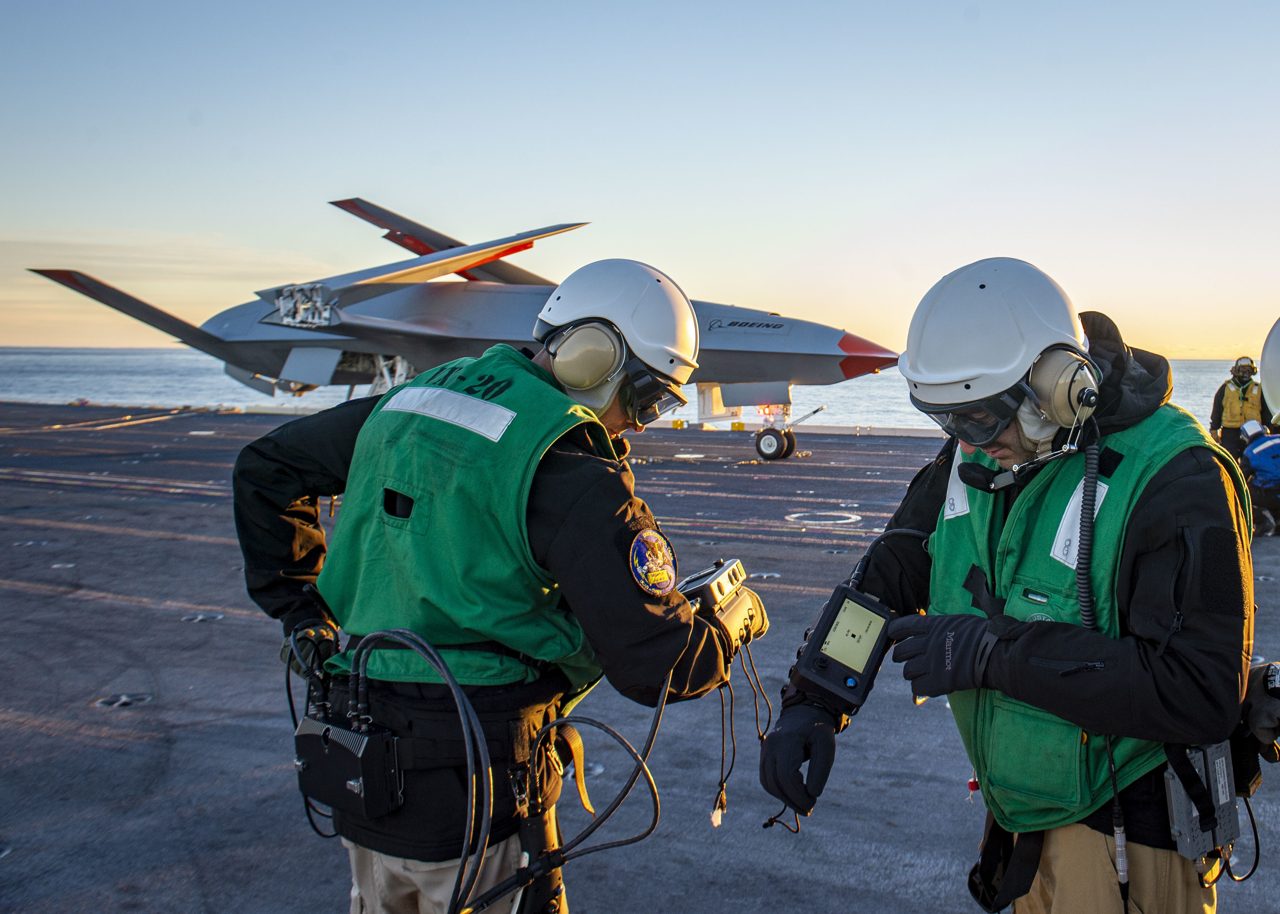
Specific hardware setbacks further illustrate the systemic bottlenecks. The Navy’s MQ-25 Stingray unmanned aircraft suffered a 2.5-year delay to its initial operational capability. The DDG(X) destroyer program lacks a clear acquisition strategy, with the GAO stating, "As such, the Navy’s business case for the DDG(X) program is not apparent." The destroyer is also vulnerable to shipyard delays affecting Arleigh Burke-class ships, which are up to 55 months behind schedule.
Meanwhile, the Air Force is pushing the B-52 radar modernization into production with minimal flight testing. The Army's Mid-Range Capability program has added three immature critical technologies, leading the GAO to question "whether the return on investment is worthwhile for the four batteries planned for production by the Army."