Quakes wipe out Venezuela's colonial heritage and tourism landmarks
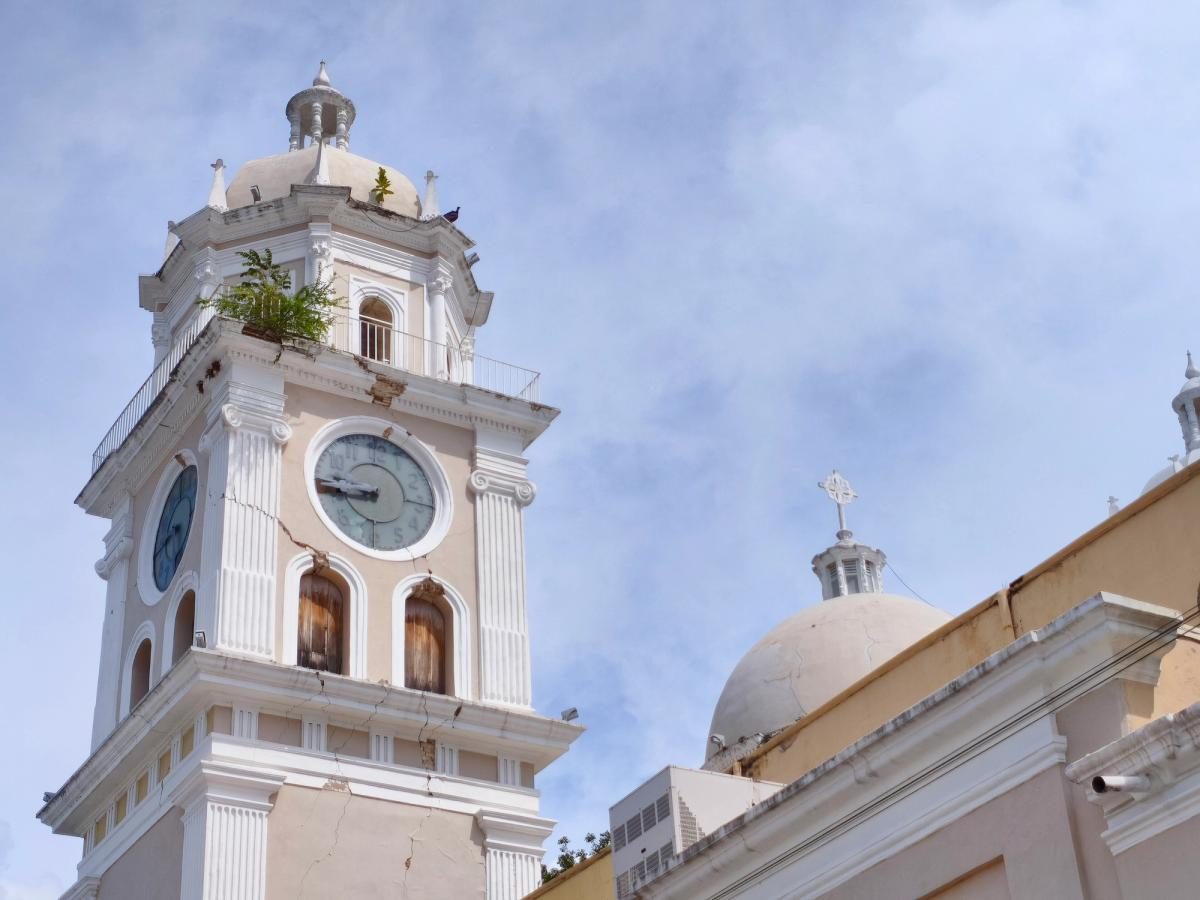
The deaths of over 3,000 people in two June earthquakes were accompanied by the levelling of irreplaceable colonial architecture and historic tourism landmarks, a loss experts attribute to decades of state neglect.
Two major earthquakes struck Venezuela on 24 June, killing more than 3,000 people and destroying over 58,000 buildings. Beyond the devastating human toll and the loss of vital infrastructure, the country has suffered an irreversible blow to its architectural heritage.
The narrow coastline of La Guaira, a city founded in the late 16th century, was exceptionally vulnerable to the seismic activity. José Miguel Pérez-Gómez, an associate researcher at the Simón Bolívar University, notes that the local geography meant “when the earthquakes hit, the seismic waves bounced back and forth from the Caribbean to the mountains.” This region, placed on Unesco’s tentative heritage list in 1999, saw its colonial core severely compromised.
Among the casualties is Casa Guipuzcoana, a national monument and former headquarters of an 18th-century Spanish trade monopoly. Pérez-Gómez warns the structure requires immediate technical inspection to assess cracks and roof movement, having already been weakened by humidity and a complete lack of maintenance.
The destruction extends to assets with direct economic value for any future tourism sector. The Hotel Miramar in Macuto, once a symbol of Beaux Arts glamour, partially collapsed, while the Gran Hotel Palmar in Caraballeda, a former icon of mid-century tourism, was destroyed. Religious sites, including the San Pedro Apóstol Diocesan Seminary and the San Sebastián de Maiquetía Church, also suffered major structural failures.
Caracas did not escape unscathed, with the Metropolitan Cathedral damaged and several parish roofs collapsing. Furthermore, the fate of Coro, a fully inscribed Unesco World Heritage site located near the epicentre, remains unknown.
Experts stress that much of this destruction was preventable. A viral article in Latin America recently highlighted that Japanese specialists warned former president Hugo Chávez over two decades ago about the specific seismic vulnerability of Caracas and La Guaira.
Abílio José De Oliveira Simao, president of the Ibero-American Institute of Advanced Studies in Heritage, Tourism and Environment, points to a systemic institutional failure. “Although any building can suffer damage during an earthquake, there are ways to minimise the risk and reduce the impact,” he says. “Unfortunately, Venezuela does not currently have an effective public policy for the protection of cultural heritage.”
Despite existing laws, the state lacks the trained professionals and financial resources to enforce them. Oliveira argues this institutional void directly limits the country's ability to respond, warning that the shortage of resources and specialised staff has made the current scale of destruction inevitable.