Tencent offloads $1.6bn Kuaishou stake in shift to AI
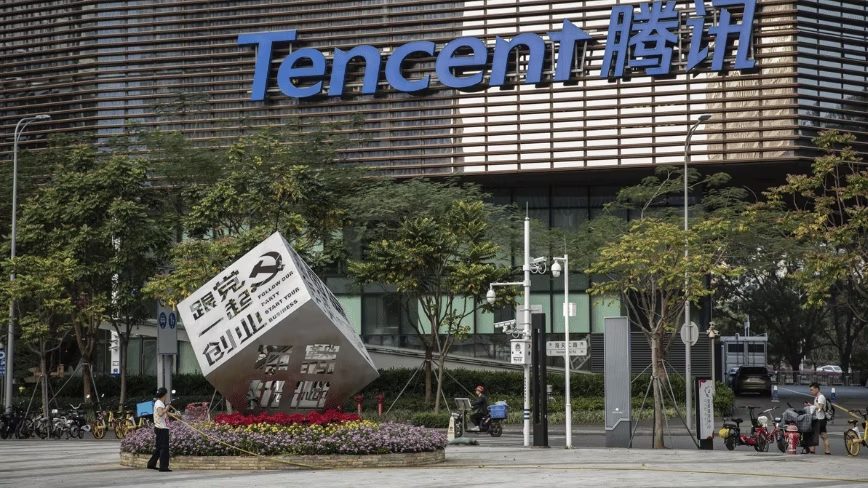
Tencent is selling a $1.6 billion stake in Kuaishou to rotate capital from a mature short-video platform into domestic artificial intelligence infrastructure, highlighting Beijing's push to lock out US investment.
Tencent is offloading roughly 273 million shares in the short-video platform Kuaishou in a block trade worth up to $1.6 billion. The shares are being offered between HK$43.15 and HK$44.53 each, representing a discount of 3.2% to 6.2% to Monday’s closing price in Hong Kong. The disposal, which cuts Tencent’s holding from 15.68% to approximately 9.37%, was confirmed by Kuaishou in a regulatory filing.
Rather than signalling a retreat from a long-time ally, the selldown represents a calculated rotation of capital by one of China's most powerful tech balance sheets. Tencent has a well-established pattern of trimming stakes in mature consumer internet businesses, having previously distributed or sold down its holdings in JD.com and Meituan. The proceeds from this disposal are being redirected toward higher-growth artificial intelligence infrastructure.
The timing of the share sale is closely tied to this strategic pivot. It lands just after Tencent joined a $2.8 billion financing round for Kling AI, Kuaishou’s generative video unit, which was initially spun off at an $18 billion valuation. The target market for this technology is substantial. China’s $16.5 billion micro-drama industry has rapidly emerged as the first mass application for AI-generated video.
For European investors and policymakers, the Kling AI investment highlights the accelerating financial decoupling between Chinese and American technology sectors. US private equity firm General Atlantic originally sought to lead the funding round. Beijing, however, actively pushed its domestic AI firms to refuse US capital, prompting Chinese investors like Tencent to step in and entirely fill the gap.
Tencent is simultaneously pursuing its own parallel investments to secure the physical hardware required for the AI boom. The company is reportedly negotiating a $3 billion domestic memory chip deal with CXMT. As Kuaishou continues its own share buybacks to manage market impact, the message from its largest backer is clear: the fight for short-video attention is settled, and the contest for AI supremacy has begun.