Rocket debris washes up in Australia amid space junk warnings
Rocket debris found on an Australian beach underscores the growing liability risks for the commercial space sector as satellite launches surge.
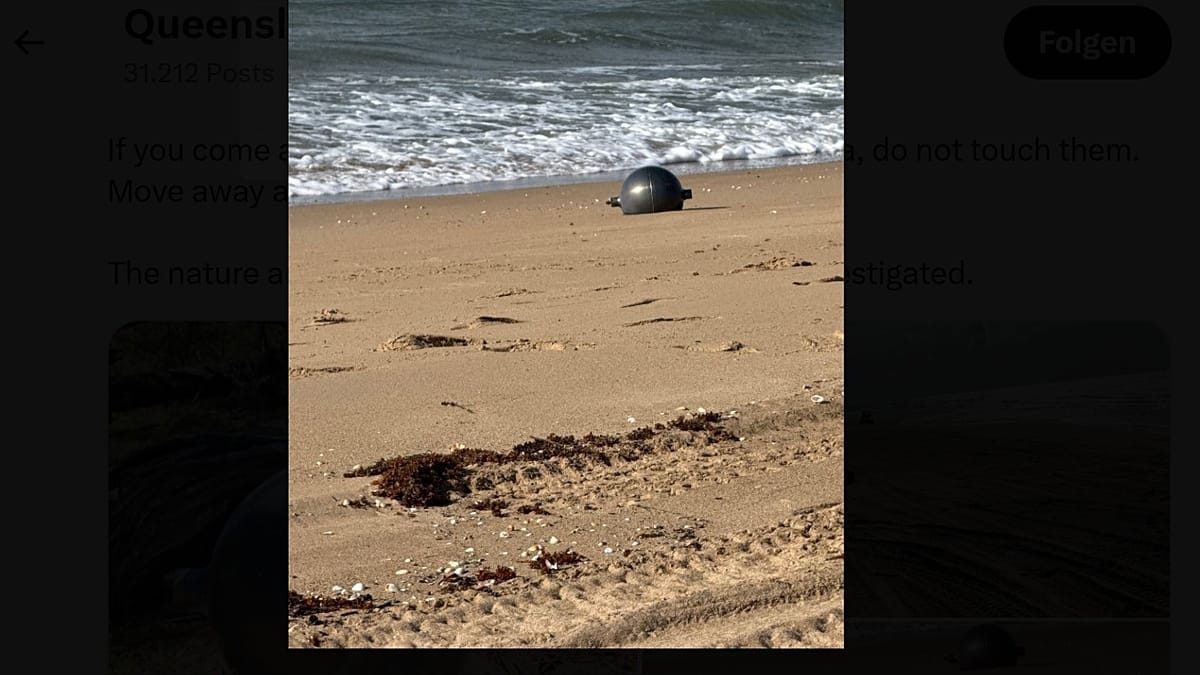
Mysterious rocket debris has washed ashore on an Australian beach, prompting authorities to close the area and issue public safety warnings. The Australian Space Agency (ASA) identified the objects as pressure vessels from a foreign rocket body that recently re-entered the atmosphere.
"The recovered objects appear to be pressure vessels from a space launch vehicle," the ASA stated. The agency noted that the vessels may contain toxic substances and is working with international colleagues to pinpoint the exact rocket responsible.
Emergency services have established a safety zone around the Forrest Beach site. "If you come across suspicious items in this area, do not touch them. Move away from the location and immediately call the Triple Zero (000) emergency number," the Queensland Fire Department warned.
The incident highlights a growing problem for the global space economy. A recent study by the European Southern Observatory (ESO) found that more than 1.7 million satellites are scheduled to be launched into Earth's orbit from 2027. This massive expansion of commercial satellite networks is already making satellites more common in the night sky than shooting stars.
For launch providers and satellite operators, this proliferation brings escalating risks. Space debris is created when objects returning to Earth do not completely burn up in the atmosphere. As the number of orbiting objects surges, the frequency of uncontrolled re-entries and surviving debris will inevitably rise.
This poses a looming financial and regulatory challenge for the aerospace industry. Companies face increasing third-party liability risks when rocket parts survive re-entry and strike populated areas. Consequently, insurers may demand higher premiums, adding significant cost to commercial launch operations.
Australia has experienced several notable space debris incidents, including the 1979 Skylab crash and a SpaceX Dragon rocket fragment found in 2022. Another launch vehicle pressure vessel washed up on an Australian coast in 2023. As the commercial orbital economy scales up, such terrestrial impacts risk shifting from rare anomalies to a predictable cost of doing business.