Munich begins Oktoberfest 2026 build after court clears tent dispute
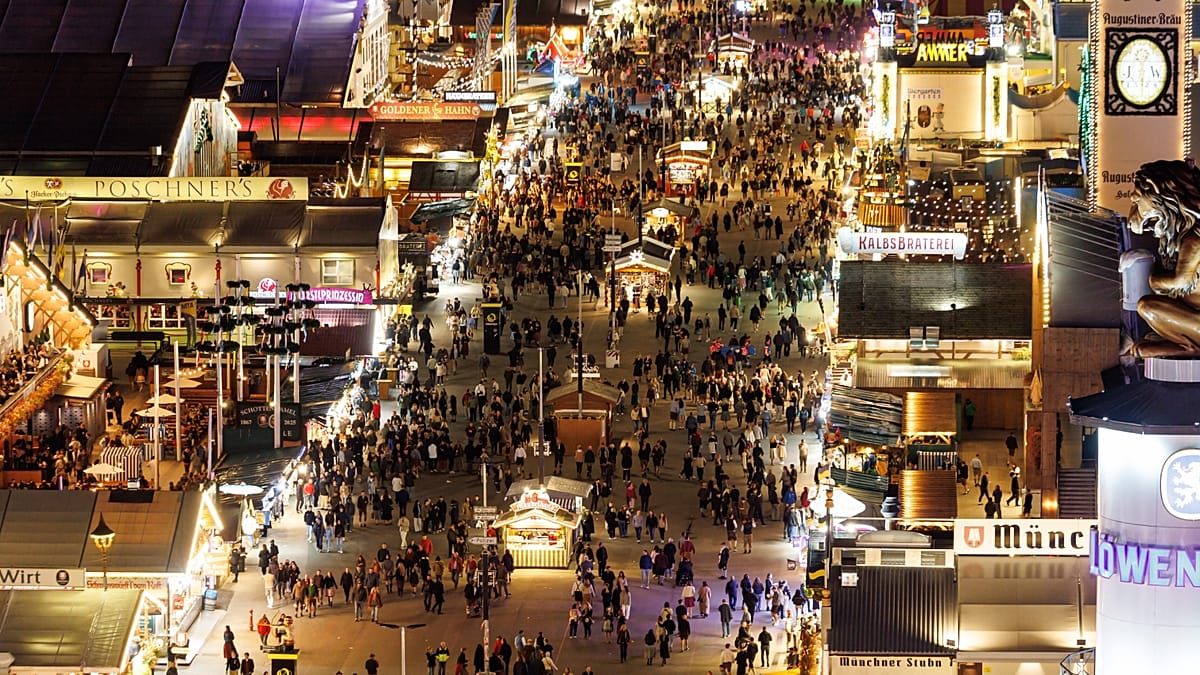
Construction has begun on Munich's Oktoberfest after a court ruling resolved a dispute over lucrative tent concessions, kicking off a major logistical operation that underpins a vital European tourism event.
Munich officially started construction on the 2026 Oktoberfest on Monday, transforming the Theresienwiese into one of Europe’s largest temporary building sites. The launch of the three-month build came only after a court rejected an urgent application from an unsuccessful bidder in a dispute over tent allocations. This legal resolution was necessary to allow the city to proceed with its planned 19 September opening.
Erecting the festival is a sprawling logistical undertaking that tests regional supply chains and heavy transport networks. Thousands of tonnes of material must be delivered and installed before visitors arrive. Crews must manage 70 to 100 lorry loads of material for each of the large beer tents alone, before accounting for fairground rides, supply lines, kitchens and beer cellars.
“Thankfully the court issued its ruling in time, we’re allowed to hold the Wiesn in 2026 as we do every year and that’s why we can get going on schedule today. One of the largest temporary construction sites in Europe is now starting up, with 70 to 100 lorry loads per tent lined up,” said Christian Scharpf, Munich’s head of economic affairs.
The legal battle that briefly threatened this timeline highlights the intense commercial stakes of the annual festival. The Wiesn has long functioned as fiercely contested commercial ground. Coveted pitches and highly lucrative tent concessions repeatedly lead to clashes between rival operators bidding for access to millions of paying customers.
To protect this economic engine from climate risks, the city has altered its construction schedule in recent years. Scharpf noted that organisers now start two weeks earlier than in the past to build in a buffer for weather-related delays. “The set-up takes a quarter of a year in total. Some time ago we also decided to start earlier because of the weather. This has become more than understandable this summer,” he explained.
When the first keg is tapped in September, Munich expects another massive influx of international visitors, matching last year's 6.7 million attendees. This scale of turnout provides a significant seasonal boost to the city's hospitality and transport sectors. However, city officials are consciously avoiding visitor growth targets in favour of managing the event's operational capacity.
“We are not chasing records here; we also want the Wiesn to retain its relaxed atmosphere. Last time we had 6.7 million visitors, that’s fine. We can easily live with that figure, and that’s the sort of turnout we’d like to see this year as well,” Scharpf said.