Russian fuel crisis hits economy as Putin warns Europe
A severe domestic fuel shortage triggered by Ukrainian strikes is damaging Russia’s economy, but rather than pushing Moscow towards peace, analysts warn it raises the risk of escalation against Europe.
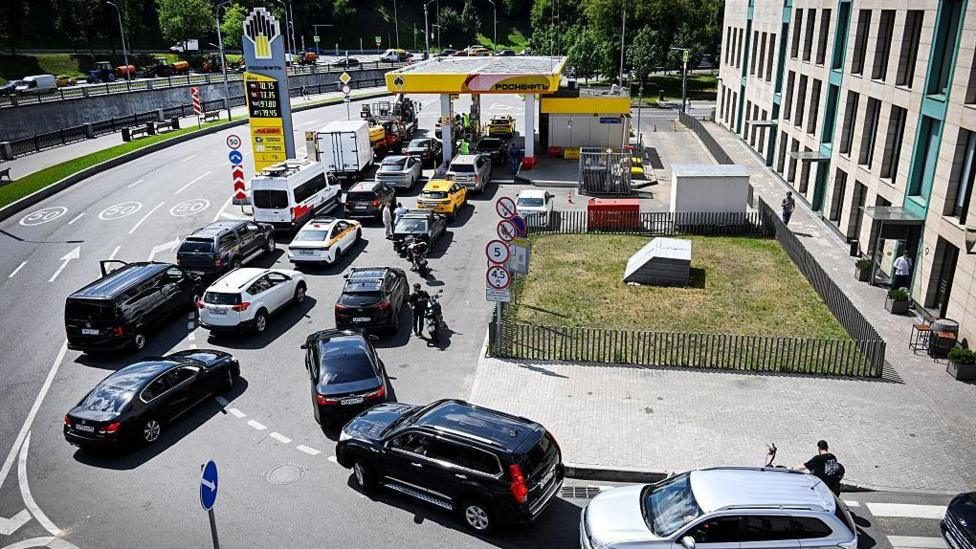
Long queues and closed petrol stations have become commonplace across Russia, including in Moscow, as the country struggles to refine enough fuel to meet domestic demand. Ukrainian drone and missile strikes targeting oil refineries deep inside Russian territory have triggered widespread rationing, bans on jerry cans, and disruptions to public transport and waste collection.
For an economy that relies heavily on energy exports, the crisis represents a stark reversal. Christopher Weafer, head of Macro Advisory, described the situation as a potential "game-changer" for Russian economic growth. "The costs of the conflict are rising," he said. "While the full impact from the fuel crisis will not be seen in the statistics until July, the likelihood of lasting crisis has significantly dimmed the growth prospects for the remaining part of the year."
The Kremlin has been forced to take emergency measures, including increasing fuel imports, subsidising prices, and permitting the sale of lower-grade fuel. President Vladimir Putin acknowledged the issue on state television, admitting the attacks are "obviously creating problems" while insisting the situation is "not critical".
Public frustration is nevertheless mounting. Independent polling by the Levada Center indicates Putin's approval rating has dipped to 74%, while the share of Russians who believe the country is heading in the right direction fell to 52% in May, down from 61% the previous month. State pollster VCIOM recorded a 3.4 percentage point drop in trust in a single week. Gallup data shows 60% of Russians feel their local economic conditions are worsening, the most pessimistic reading in two decades.
Despite the economic pain and declining poll numbers, European policymakers should not expect the crisis to force a shift in Moscow's war strategy. Nina Khrushcheva, a professor of international affairs at The New School, warned that Putin is unlikely to bend under pressure. "The more pressure he feels, the more likely he would act aggressively and repressively," she said, dismissing European hopes of forcing the Kremlin to the negotiating table as a "fantasy".
Instead of seeking an off-ramp, Putin appears to be doubling down and looking to shift blame. In a recent address to military commanders, he ordered an analysis of the involvement of Ukraine's European allies in "real combat actions" that he claims are prolonging the war. He stated this was needed "for taking responsible decisions in the future," a vague but pointed warning that has heightened concerns in Western capitals about potential retaliation.