OpenAI upgrades ChatGPT with full-duplex voice models
OpenAI is replacing ChatGPT's voice system with full-duplex models that listen and speak simultaneously, signalling a shift toward voice as the primary interface for complex computing tasks.
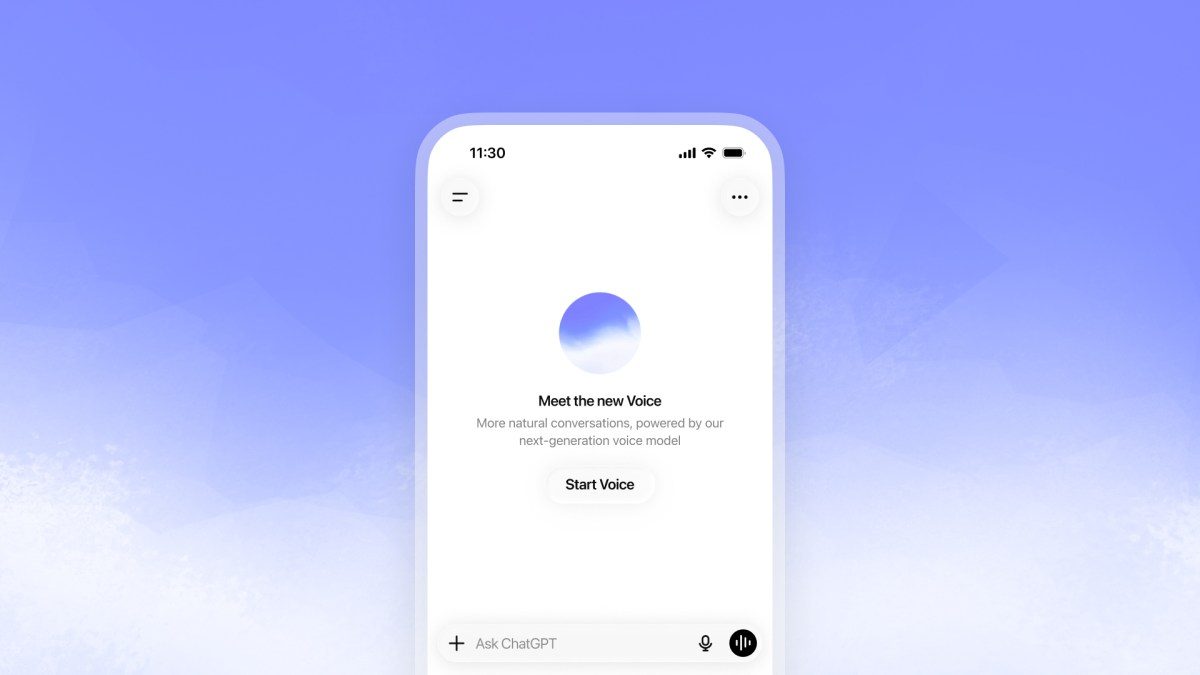
OpenAI has introduced GPT-Live-1 and GPT-Live-1 mini, replacing the previous Advanced Voice Mode in ChatGPT. The new models are full-duplex, meaning they process speech and audio at the same time rather than relying on the older method of converting speech to text, generating a written answer, and converting it back to audio.
This architecture allows users to interrupt the assistant naturally and enables live translation. The models also route queries to OpenAI's latest text models, such as GPT-5.5, for search and reasoning while maintaining the audio thread.
For businesses and investors, the release marks a concrete step toward hands-free, agentic work. OpenAI's ChatGPT Voice product lead, Atty Eleti, said the company envisions voice managing increasingly complex tasks. “Over time, we think this will also unlock the ability to use voice as a kind of primary interface to computing, and to manage increasingly complex long-running agentic work. The kind of amazing use cases that we see people using Codex and ChatGPT to accomplish, we think voice can be the future interface to all kinds of work,” Eleti said.
The move intensifies a global race among tech giants and well-funded startups. Apple and Amazon have recently updated their own assistants to handle context better. Venture capital is also flowing into the space, with startups like Sesame and Monogram, which raised $40 million in seed funding from DST and Lux Capital, building interactive assistants that combine audio with visual responses.
The commercial reach of these tools is already substantial, with OpenAI reporting that more than 150 million people use its Voice and Dictation features. Despite designing the system for long conversations, with Eleti noting 30- to 40-minute chats during walks, the company stressed it is not building an AI companion. Safeguards are included to provide age-appropriate responses to teenagers and offer resources if users discuss self-harm.
The technology still faces limitations that could affect international adoption. During a demonstration of live Hindi translation, the assistant spoke with a heavy American accent and an unnaturally bookish tone. OpenAI stated the system is optimized for "most spoken languages" but did not specify which ones, a notable gap for global deployment.
Reports suggest OpenAI could launch AI-capable earbuds this year, though the company provided no hardware details. Regardless of the hardware path, the underlying models can now stay silent to absorb context before responding, a capability that changes how enterprises might integrate AI into daily workflows.