AI memory shortage shrinks global PC and phone markets
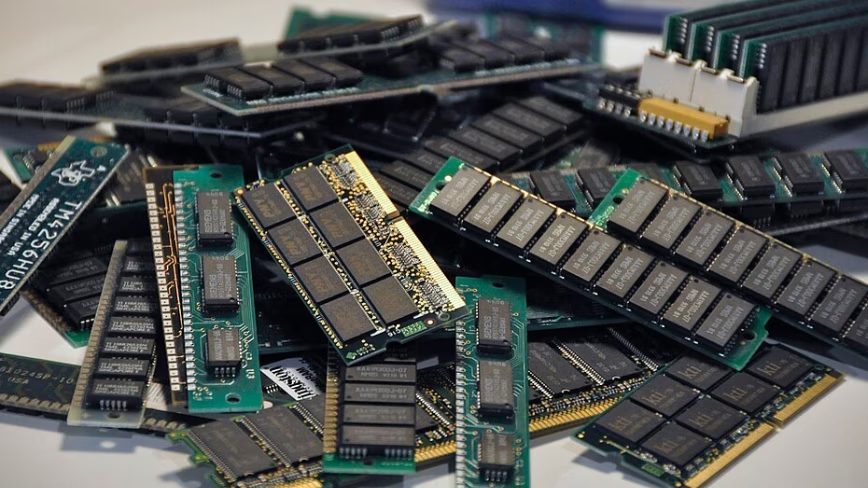
A surge in memory prices driven by AI data centres has triggered the first global PC shipment decline in two years, signalling a prolonged hardware crunch that will squeeze corporate IT budgets and push consumer gadget prices higher across Europe.
Global PC shipments fell 3.6% in the second quarter of 2026 to 65.7 million units, marking the first decline in two years. According to analyst firm Omdia, the drop was not driven by weak demand but by a sudden surge in memory prices. Data centres building AI infrastructure are draining global supplies of DRAM and NAND chips, forcing device makers to pass steep costs onto buyers.
The financial impact on consumers and businesses is already severe. Across comparable models, PC prices have risen by 20% to 40% compared to a year ago. Rather than abandoning purchases entirely, many buyers brought orders forward to avoid future hikes, a strategy analysts warn is merely borrowing from future demand.
This forward-buying has strict limits. More than half of business resellers polled by Omdia in June reported that corporate customers are now delaying hardware refreshes until prices stabilise. For European IT departments, this means extending the life of aging equipment while budgeting significantly more for inevitable replacements.
The market shake-up has produced clear winners and losers. Apple defied the trend, growing shipments 15.9% to 7.3 million units on the back of its MacBook Neo, even after raising some prices by $300. Rivals fared worse, with HP dropping 9% and Dell slipping 4.9%, while market leader Lenovo held relatively steady at 16.6 million units.
Smartphones are absorbing an even heavier blow, particularly at the budget end. Omdia expects global shipments of phones priced under $400 to plummet more than 22% this year. Because memory now accounts for nearly 60% of the bill of materials for a sub-$400 phone, budget manufacturers like Transsion, OPPO, and Xiaomi have no room left to absorb costs and are retreating from the low-end market entirely.
The inflationary pressure is bleeding into the wider consumer electronics sector. Apple has lifted prices on Macs and iPads by up to $300, Microsoft has repeatedly increased Xbox prices, and Currys, Britain’s largest electronics chain, has warned shoppers to expect higher prices later this year. The shortage is so acute that even prices for DDR2, a memory standard from 2003, are climbing as manufacturers scrape for supply.
Relief is not imminent. IDC does not expect the shortage to ease until early 2028, and Nvidia chief executive Jensen Huang has warned the crisis will last "quite a few years." Unless Chinese memory manufacturers can rapidly scale production to act as a release valve, hardware costs will remain a stubborn drag on consumer and corporate spending.