UK MPs demand prime-time climate briefing over economic threats
A cross-party group of UK lawmakers is demanding a televised climate emergency briefing to prepare the public and markets for looming food shortages and economic shocks that mirror wider European vulnerabilities.
More than 90 UK MPs and peers are urging the government to stage a prime-time, televised climate emergency briefing. The parliamentary call, backed by major church denominations, demands a public address to outline the severe risks posed by environmental breakdown.
The push follows a recent warning from senior UK national security officials that climate change and ecosystem collapse could trigger food shortages and economic disaster within years. For European businesses and investors, the UK's internal debate highlights a continent-wide adaptation gap that threatens supply chains and infrastructure.
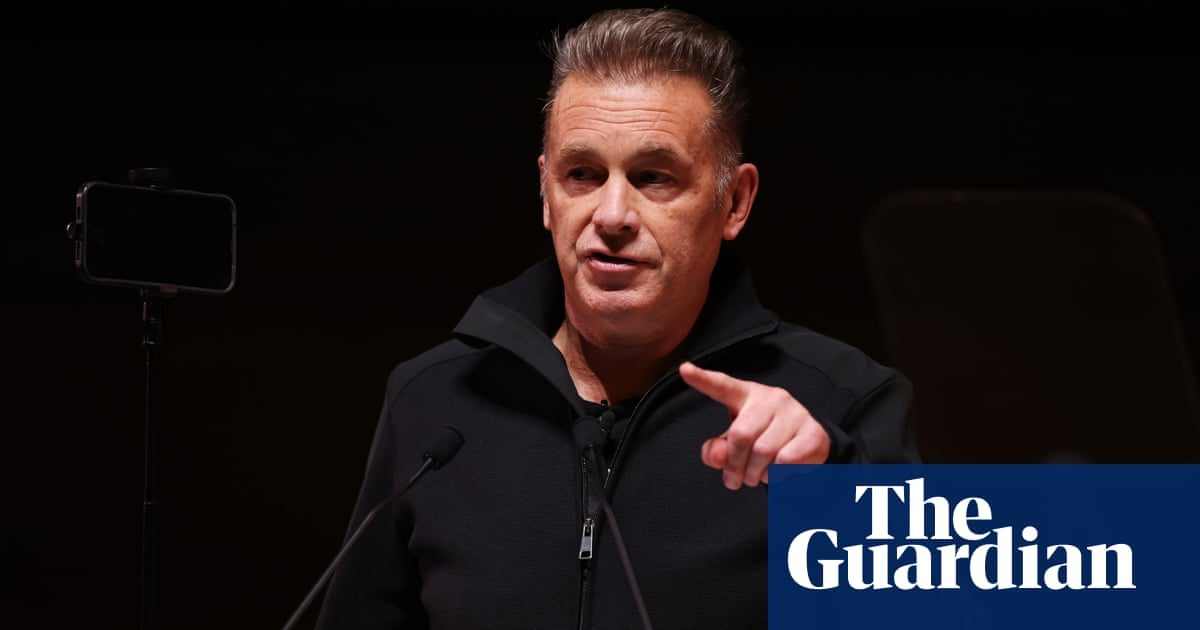
The initiative was sparked by a 50-minute crowdfunded film, the People’s Emergency Briefing, which has garnered over 2,000 community screenings. Hosted by environmentalist Chris Packham, the film argues that collective awareness is necessary to confront the crisis. "I understand it’s human nature to prefer not to know, to try to bury our heads in the sand," Packham says. "But if we all take a breath and watch this together, well first of all that’s a huge relief and second we can figure out what to do about it."
Retired Lt Gen Richard Nugee describes climate breakdown in the film as the "most insidious threat to our society", putting the "very fabric of our society at risk". The Right Rev Graham Usher, the Church of England's lead bishop on the environment, adds: "The threat posed by climate change and loss of biodiversity dwarfs that of other crises and the public need to be informed so that together we can turn the situation around."
The urgency is grounded in recent weather extremes. Parts of the UK are now enduring their third heatwave of the summer, following a June heatwave across Europe that scientists linked directly to human-induced climate change. In summer 2022, more than 60,000 people died due to heat in Europe, underscoring the tangible economic cost of rising temperatures.
The UK government’s own advisers, the Climate Change Committee, have warned for over a decade that the country's defences against extreme weather are inadequate. The committee estimates the UK needs an additional £11bn per year in adaptation spending, with roughly half expected to come from the private sector. This signals a massive, pending capital requirement for European businesses involved in infrastructure, agriculture and insurance.
The government has not said whether it will hold a televised briefing, pointing instead to an annual climate statement planned for later this year. Last year, Energy Secretary Ed Miliband used that platform to highlight the largest clean power investment in a generation and a historic flooding programme.
Nick Oldridge, a co-founder of the National Emergency Briefing, argues that a direct address from the prime minister is the only way to break through public apathy. "And there’s no better way than the leader of your country standing up and saying these risks are worse than we thought, they’re coming at us earlier than we anticipated, let’s get on the front foot and here’s our plan," he says. "It did work in Covid and we’ve got evidence of it."