EU ministers to debate ban on Israeli settlement goods
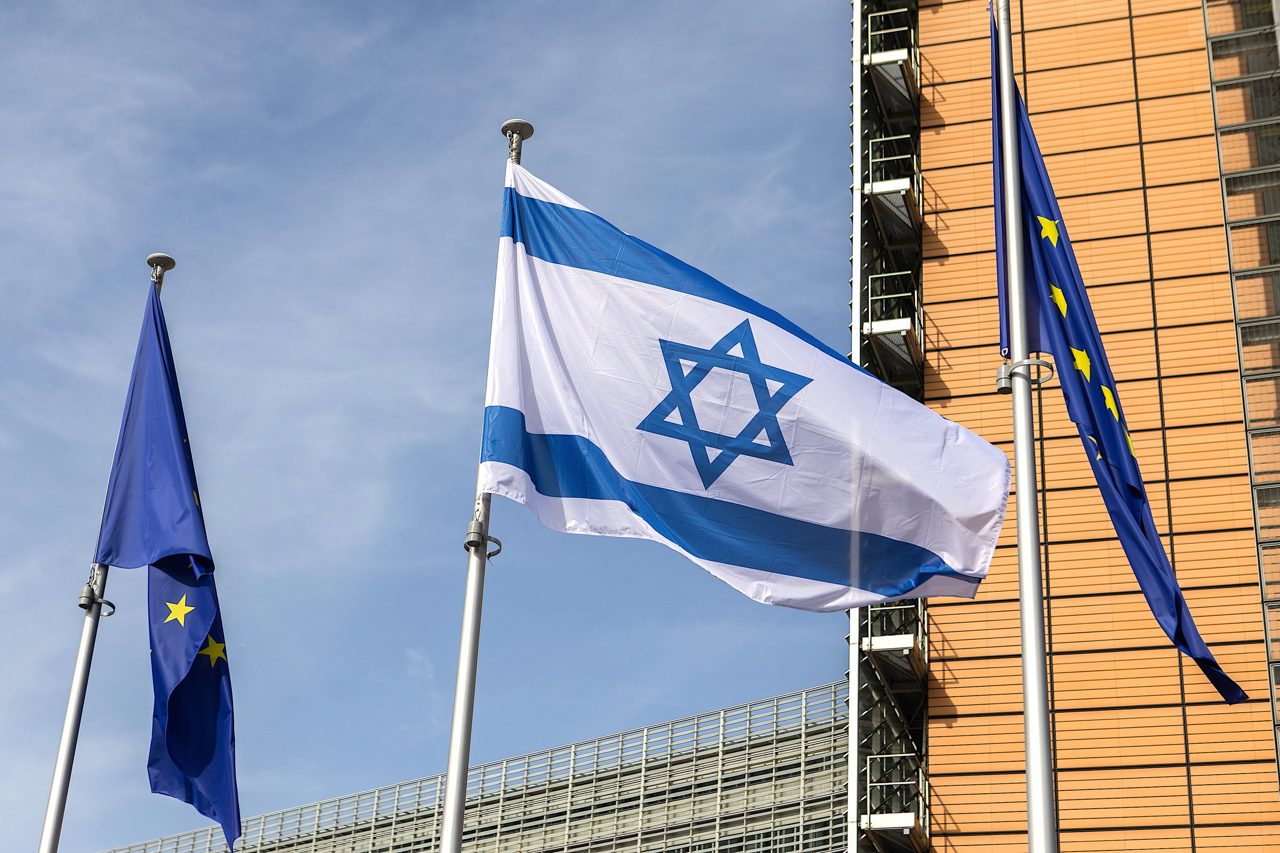
European foreign ministers will debate options to ban trade with illegal Israeli settlements on Monday, a shift that would force businesses to overhaul supply chains plagued by mislabeling.
The European Commission published three options on Thursday to restrict trade with Israel’s illegal settlements, proposing an import-licensing regime, higher tariffs, or a full trade ban. EU foreign ministers will review the proposals on Monday. The publication follows months of delays and repeated pressure from a growing majority of member states demanding action.
Trade experts and advocacy groups, including the European Middle East Project and CIDSE, argue that only a complete ban makes legal and practical sense. They recommend an Article 207 TFEU regulation to halt imports entirely, framing it not as a political sanction but as a legal obligation flowing from a recent International Court of Justice ruling. Economically, the trade is substantial: EU imports from the settlements are estimated to be 15 times larger than imports from Palestinians themselves, relying on land and natural resources without consent.
For European businesses, the current regulatory environment creates significant compliance and legal risks. Under existing rules, settlement products receive standard Most Favoured Nation tariffs while Israeli goods get preferential rates. However, a recent Global Echo report documents how Israeli exporters and customs authorities routinely exploit this gap. Goods from settlements are frequently mislabelled as Israeli products using false addresses or by mixing produce, allowing them to benefit from lower tariffs illegally.
Advocates dismiss the Commission’s claim that this trade volume is too small to address as "patently misleading," noting the EU is the leading external market for settlement exporters. An outright ban would fundamentally alter the risk calculus for importers. Businesses attempting to bypass a prohibition would face severe penalties, including goods being returned, seized, or destroyed. This stricter framework would drastically reduce the commercial incentive to misdesignate origin, addressing fraud more effectively than the current tariff differential.
The regulatory trajectory is already shifting across Europe. National governments like Spain and the Netherlands are advancing their own technical measures to stop settlement trade. With British prime minister-in-waiting Andy Burnham also indicating this week that the UK may ban settlement imports, the pressure is mounting on Commission president Ursula von der Leyen and trade commissioner Maroš Šefčovič. Rather than offering a menu of inconclusive options, they face increasing calls to draft a single, binding legislative proposal that aligns EU trade policy with international law.