EU Covid recovery cash seeds new sovereign wealth funds
European governments are using billions of euros from the bloc's pandemic recovery fund to launch state investment vehicles, permanently altering how the continent finances strategic industries.
European countries are converting leftover pandemic recovery cash into sovereign investment funds, according to research published on Friday by IE University’s Center for the Governance of Change and ICEX-Invest. The shift is rapidly increasing Europe's share of global sovereign assets, which now stands at 16 percent.
The bloc’s €648bn NextGenerationEU programme was launched in 2022 as a temporary emergency measure, funded entirely through EU Commission debt rather than commodity surpluses. However, governments are now using this cash as seed capital to create permanent funds focused on strategic autonomy and industrial competitiveness.
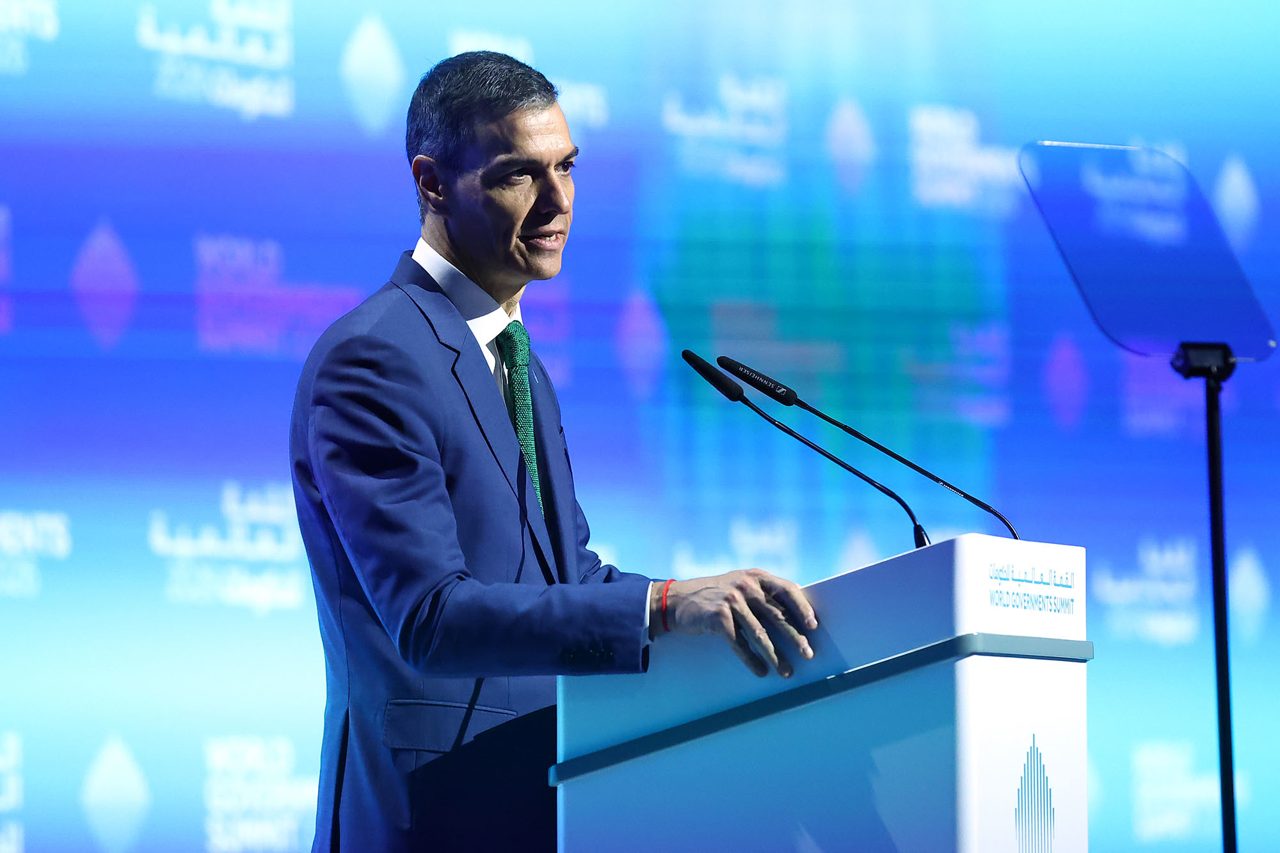
Spain is leading this transformation. In January, Prime Minister Pedro Sánchez unveiled plans for a 'Spain Grows' fund, committing €10.5bn of EU recovery cash to attract €120bn in private debt for housing and national security. The country is now the second-largest EU destination for sovereign capital, with 18 deals worth €6.7bn, trailing only Germany. France has similarly channelled money into FOCO, managed by Cofides, while Portugal's parliament approved plans for its own fund in June.
“The impact of NextGenerationEU effect is clear and measurable,” the Sovereign Wealth Funds Report 2026 states. The authors argue these initial programmes could drive a second wave of European sovereign wealth fund creation between 2026 and 2030.
For private investors and companies, the rise of these debt-backed European funds represents a structural shift in how the continent allocates capital. Rather than simply dispensing grants, governments are using public money to leverage massive amounts of private financing. The research indicates these new vehicles are highly targeted, noting that artificial intelligence accounts for one out of every three dollars invested globally by sovereign wealth funds during the period analysed.
This European model breaks sharply with the traditional sovereign wealth fund structure. Unlike Norway’s $2.1tn fund, which is built on state oil revenues and exceeds Spain’s entire GDP, the new European vehicles are explicitly powered by borrowed money. As the NextGenerationEU programme expires at the end of this year, its most enduring legacy may be a permanent, debt-fuelled expansion of state-backed investing across the bloc.