Labour admits early Gaza stance was flawed
Senior Labour figures have acknowledged the party's initial handling of the Gaza conflict was a mistake, highlighting how foreign crises now directly shape domestic economic pressures.
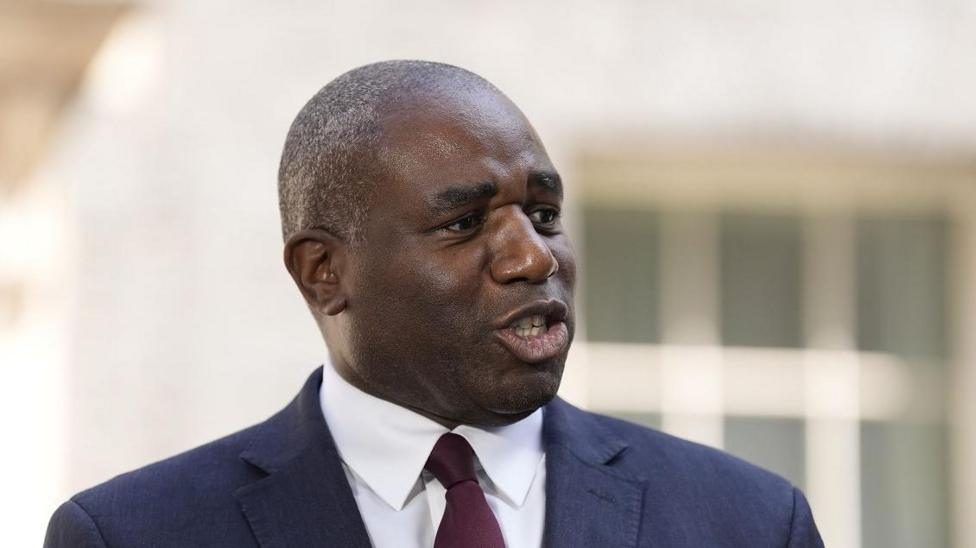
Deputy Prime Minister David Lammy has publicly conceded that Labour's early stance on the Gaza conflict was "problematic", arguing that foreign policy crises are now inseparable from domestic economic challenges.
Speaking to BBC Radio 4's The Week in Westminster, Lammy addressed Sir Keir Starmer's controversial LBC interview from the conflict's early weeks. When asked if it was appropriate for Israel to cut off power and water, Starmer said: "I think that Israel does have that right. Obviously everything should be done within international law, but I don't want to step away from the core principles that Israel has a right to defend herself."
A spokesman subsequently stated Starmer had only intended to articulate Israel's general right to self-defence. However, the political damage was done. "The PM in that LBC interview... got us off to a bad start in opposition and I think he's acknowledged that and that's definitely the case," Lammy said.
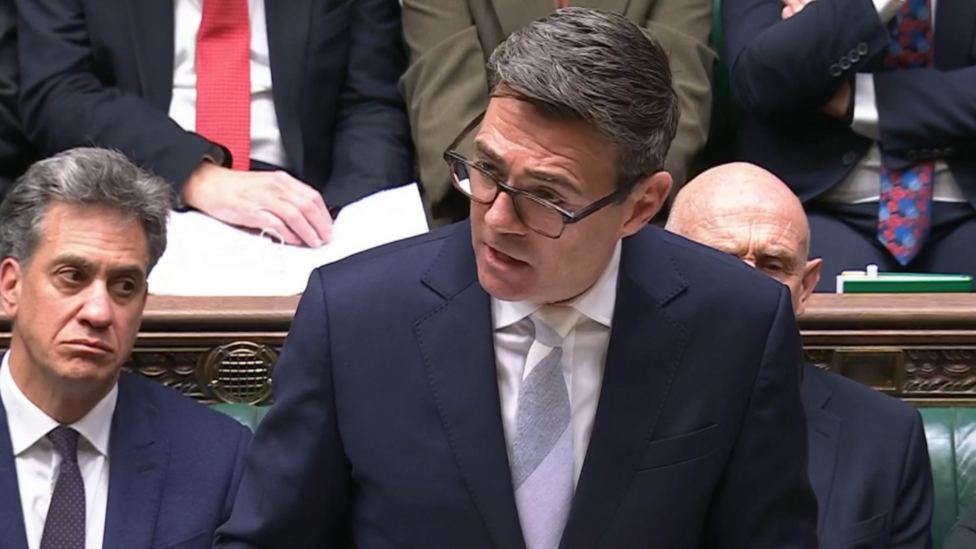
The remarks followed an apology from Andy Burnham, who is expected to become prime minister later this month. "Labour's initial response to the treatment of Gaza caused huge hurt. We got it wrong and I am sorry for that," Burnham wrote online, while also condemning the 7 October Hamas attack and UK antisemitism.
Labour ultimately shifted its position in February 2024 to back an immediate humanitarian ceasefire, and later recognised the state of Palestine in September 2025. "So I think in office we did a lot, but clearly those initial steps were problematic," Lammy noted.
Economic fallout
Lammy rejected the suggestion that Starmer was distracted by foreign policy. He argued domestic and international issues are "indivisible", directly linking global instability to the economic pressures facing European households.
The cost-of-living crisis, Lammy explained, "has been driven in part by a pandemic, then by the war in Ukraine, now by the problems in the Strait of Hormuz." This dynamic is forcing a strategic rethink across European capitals. "I think there's a trend right across the Western world for leaders to end up spending much more time on foreign policy than they'd hoped," Lammy said.