Almería fire kills 13, exposing climate risks to Spanish tourism
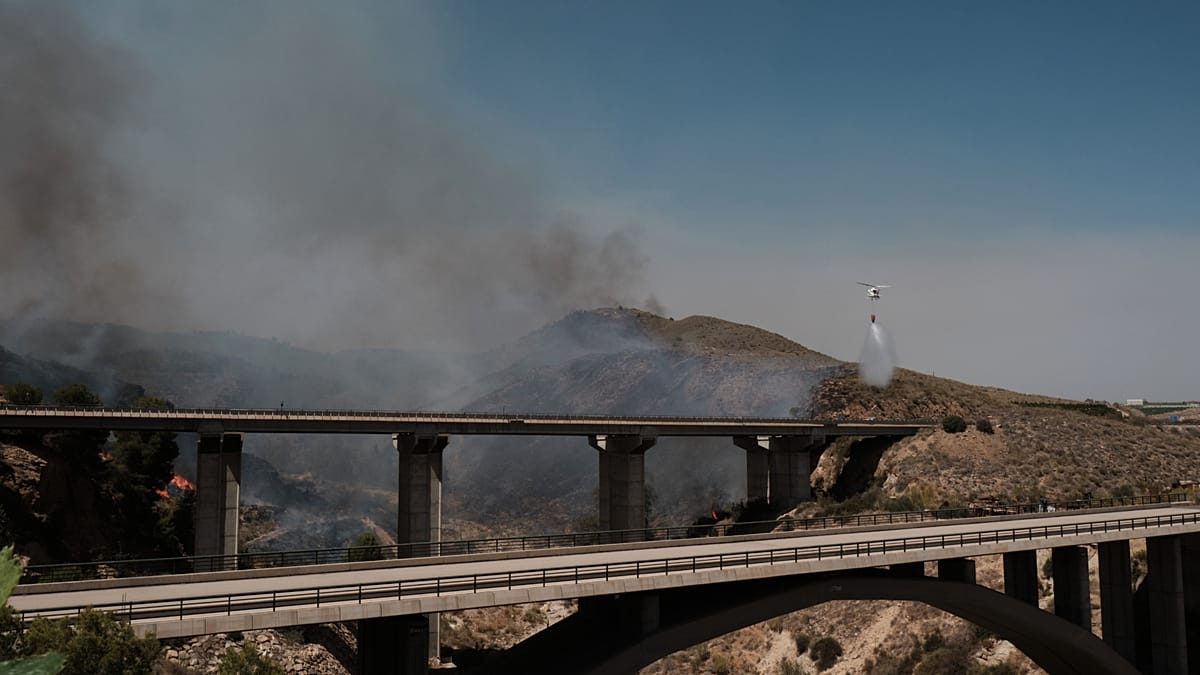
A wildfire in southern Spain has killed 13 people, mostly foreign tourists, highlighting the growing physical and economic threat of climate-driven extreme weather to Europe's travel economies.
A wildfire in Almería province has been contained after killing 13 people and forcing 1,400 residents to flee their homes. The majority of the victims are believed to be British and Belgian nationals, underscoring the deadly intersection of southern Europe's climate vulnerability and its heavy reliance on foreign tourism.
The disaster destroyed more than 6,000 hectares of land, an area equivalent to roughly 14,800 acres, requiring a deployment of over 500 firefighters and emergency workers. Juan Manuel Moreno Bonilla, head of the Andalusia regional government, confirmed on Sunday that the perimeter had been secured after high winds eased the previous afternoon.
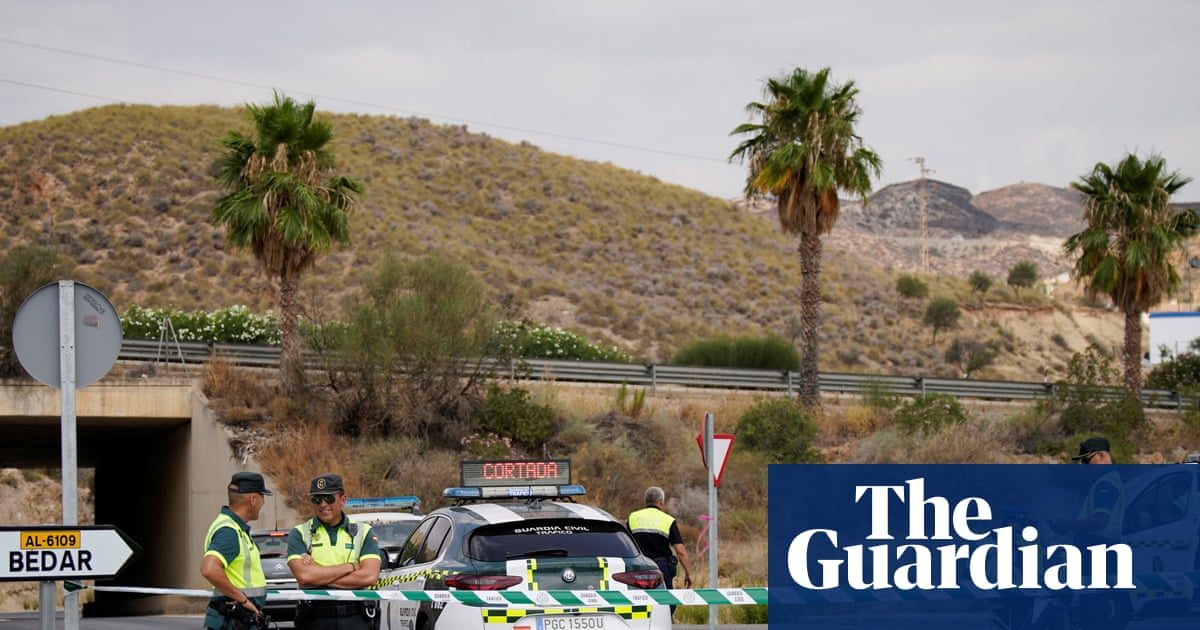
Among the survivors are a British couple discovered with severe burns covering 40% of their bodies in a ravine near the worst-hit community of Bédar. Guardia Civil officers spent two hours airlifting the pair, who were found semi-conscious, to an intensive care unit.
"As you gain more experience, something inside you tells you: ‘Look again, try one more time,’" Sgt Pedro Barre told Spain’s TVE state broadcaster, describing the moment officers heard a faint sound. Fellow officer Rafael Zea noted that "being able to call out in the condition they were in was a titanic effort."
Officials described the devastated landscape as looking "like a bomb has gone off," classifying the event among the deadliest wildfires in Spain's history. Forensic scientists in Madrid are now using DNA samples from the victims' families to identify the deceased, as at least 23 people remain missing.
For European policymakers and the tourism sector, the tragedy highlights an escalating structural threat. The concentration of northern European visitors in southern regions like Andalusia means that climate-driven extreme weather directly threatens local infrastructure and the cross-border travel economy.
Bonilla attributed the rapid spread of the blaze to dry conditions, high winds, and several heatwaves fuelled by the climate crisis. He warned that these compounding factors had rendered the region a "ticking timebomb" for future fires.