Police reject political motive in Widdecombe killing as politicians urge calm
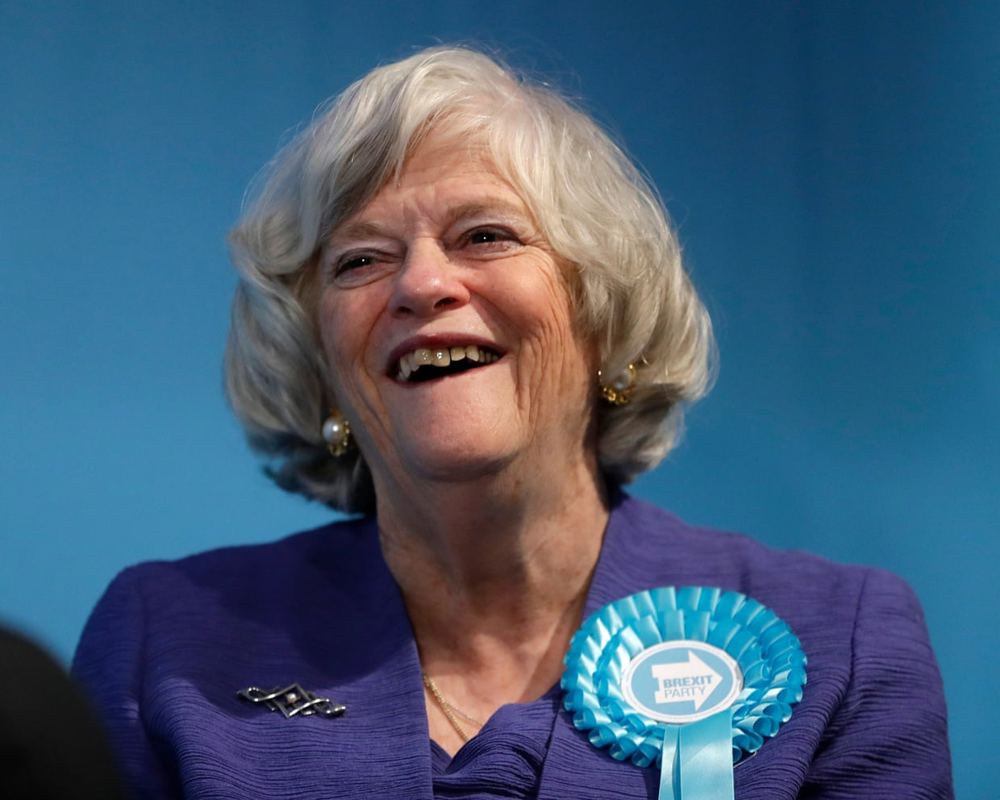
The murder of former UK minister Ann Widdecombe has triggered a cross-party backlash against political interference in live police investigations, highlighting the strain social media places on operational independence.
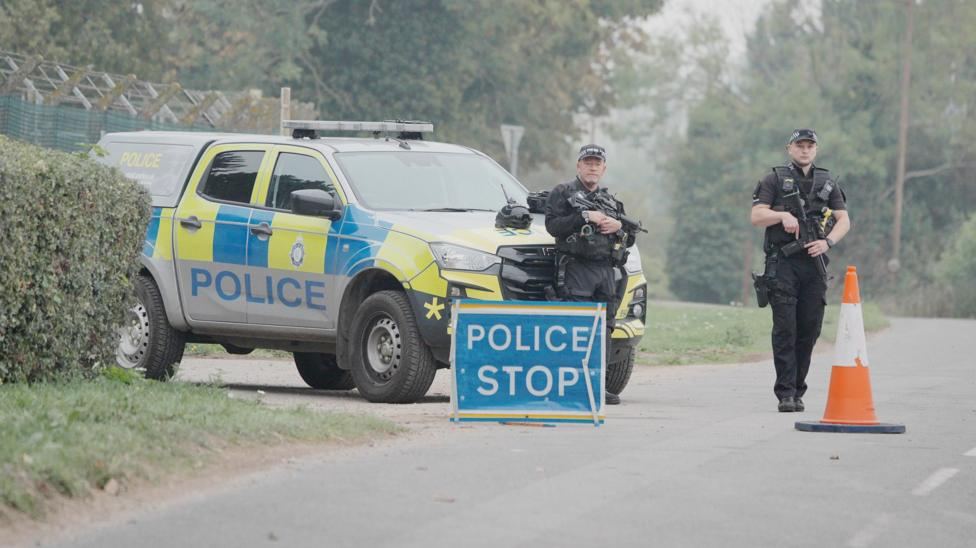
Devon and Cornwall Police have arrested a 28-year-old man in Rotherham on suspicion of murdering Ann Widdecombe, the former Conservative minister and Reform UK spokesperson found dead at her home in Haytor on Thursday. Officers stated she may have been dead for more than 24 hours before her body was discovered. The force has explicitly ruled out terrorism and a political motivation.
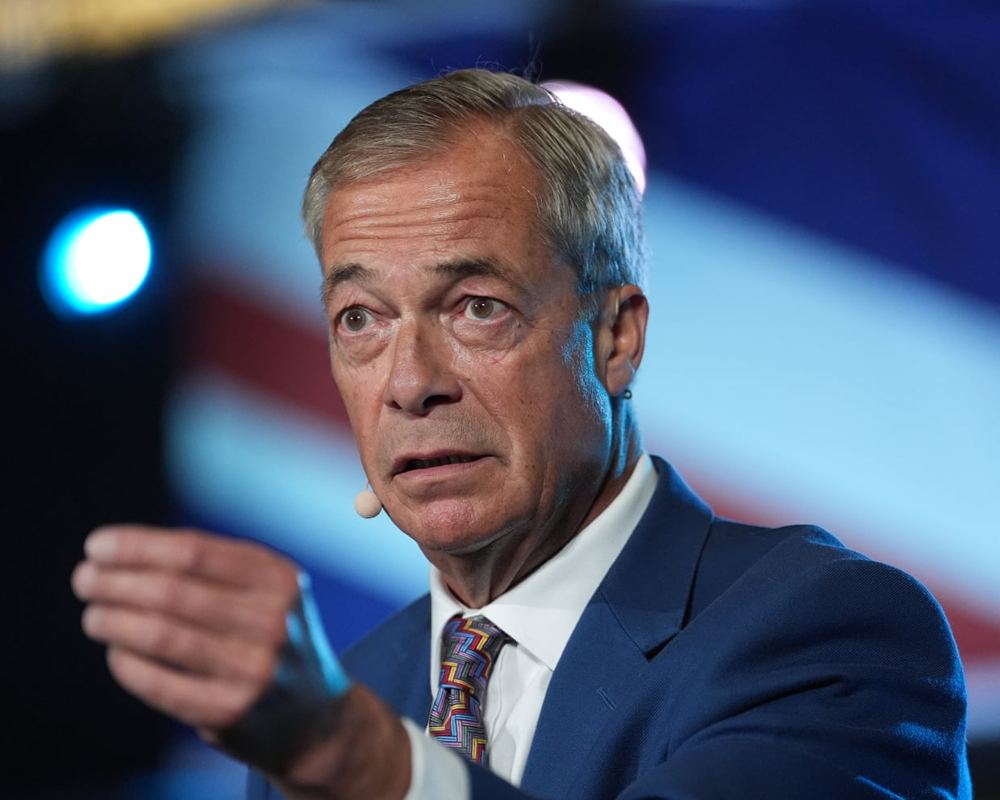
Despite the police assessment, Reform UK leader Nigel Farage visited the area and told journalists the death appeared to be "premeditated murder". He argued the case proved that for "people now in public life, especially in politics, the world is very much more dangerous than it’s ever been, whatever the outcome of the motives of the killer".
Assistant Chief Constable Matt Longman said there was "nothing to suggest that it was politically motivated" and urged the public to ignore online speculation. He warned such commentary "doesn’t aid our investigation, and particularly, it’s distressing to the family and friends of Ms Widdecombe".
Politicians from across the spectrum condemned the public theorising. A Labour minister said MPs "gobbing off rarely helps the police during an investigation", while former Conservative justice secretary David Gauke said people in public life "should know better than to speculate publicly".
Sir Peter Fahy, the former chief constable of Greater Manchester police, warned that the growing trend of politicians commenting on unfolding cases risks undermining the justice system. He noted that public interventions could contaminate witnesses, alert suspects, and destroy evidence before cases reach court.
Fahy argued that social media has fundamentally altered the landscape of criminal justice, placing the sub-judice rule under "massive pressure". He said the investigation and court process "was designed for another era, something closer to Midsomer Murders".
The former police chief issued a stark warning about the future of policing, cautioning Britain against allowing reforms to erode operational independence. "There is a real risk that our police are going to come under greater and greater political control, and that should be a real worry for everybody, whatever party," he said. "We could end up with something a little bit close to what ICE are doing in America."
Some Conservative MPs suggested Farage was weaponising the tragedy for personal political gain. One senior Tory MP stated he had "brought this into his narrative" to distract from questions over a £5m gift, stressing there is "no evidence to suggest that it’s a politically motivated murder at all".
Sir Geoffrey Clifton-Brown, chair of the Commons public accounts committee, called for an expansion of the parliamentary convention against commenting on sub-judice cases to encompass all media. A former Home Office minister echoed this, stating it is "wrong for senior political figures to engage in uninformed speculation during a live investigation".