Ukraine's vineyard acreage shrinks to 15,000 hectares
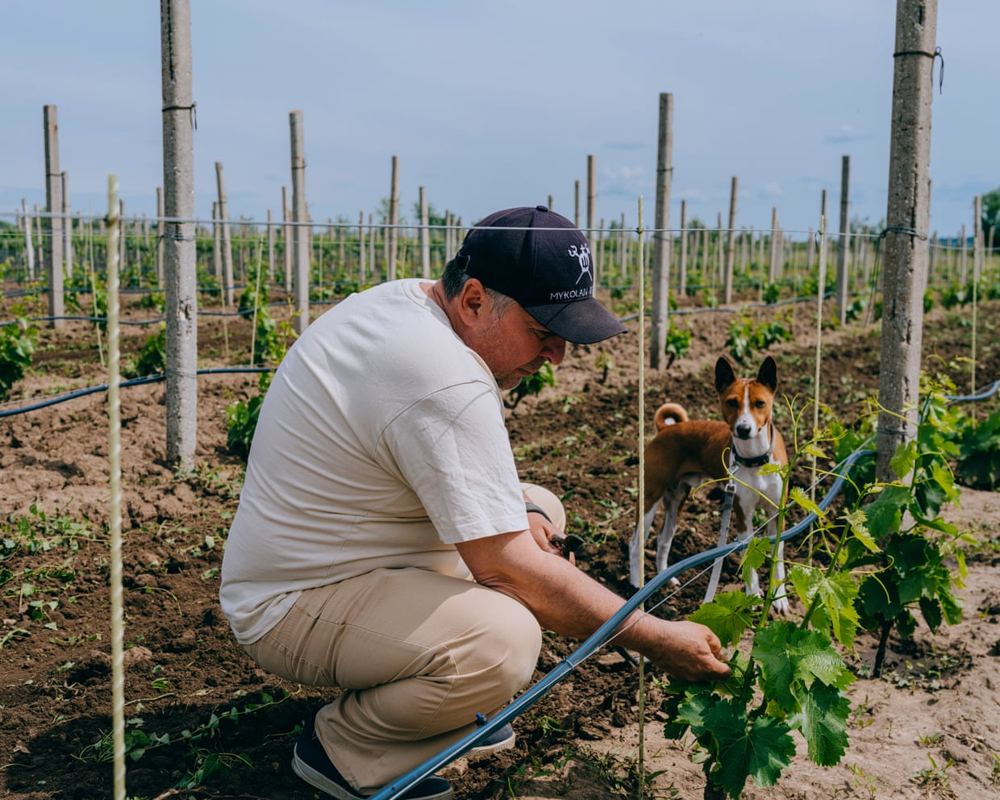
Ukraine's winemaking sector has lost more than three-quarters of its planted land since 2014, with farmers uprooting vines for staple crops in a structural shift driven by the physical and economic devastation of the Russian invasion.
Ukraine’s wine sector has been reduced to a fraction of its former size, with planted vineyard area plummeting from 68,000 hectares in 2014 to just 15,000 hectares today. Svitlana Tsybak, president of the Ukrainian Association of Craft Winemakers, said the current footprint “is nothing for such a big country.” The sharp decline reflects both the illegal annexation of Crimea and the economic upheaval caused by the full-scale Russian invasion.
For agricultural markets, the loss of vineyards highlights a broader wartime shift in land use. Faced with the unpredictability of conflict, many large growers have uprooted their grapes in favour of sunflowers or wheat. These staple crops offer faster, more reliable financial returns than the years-long process of establishing and maturing vines.
Beyond changing farm economics, the industry has suffered direct physical destruction. Vineyards have been lost to occupation and the catastrophic flooding of agricultural land following the destruction of the Kakhovka dam. In the Kherson region, the historical Prince Trubetskoy winery was looted during occupation and later obliterated by bombing this February.
Surviving producers near the front lines operate under extreme constraints. Beykush winery, which produces about 65,000 bottles a year, sits on a narrow cape southwest of Mykolaiv, just 8km from Russian-occupied territory. Further north, the Molchanov family’s Steppe Wines has an unexploded Russian rocket buried between its Chardonnay rows, forcing them to work around it rather than risk damaging vines with heavy removal machinery.
Paradoxically, the devastation has coincided with a geographical restructuring of the industry. Since 2022, 82 new craft wineries have been established in the safer central and western regions of the country. Producers like Gigi in the Vinnytsia region are planting both traditional Georgian grapes and native Ukrainian varieties.
Those remaining in the business are making long-term bets despite the risks. Steppe Wines is expanding its acreage and plans to increase production from 10,000 bottles a year to as many as 50,000 over the next decade. “I was listening to Italian wine growers talking at a conference recently, and their situation reminded me of ours, except they were talking about the 1960s,” said Mykhailo Molchanov, pointing to the sector's undeveloped potential.