Gibraltar and Spain to remove 118-year-old border from July
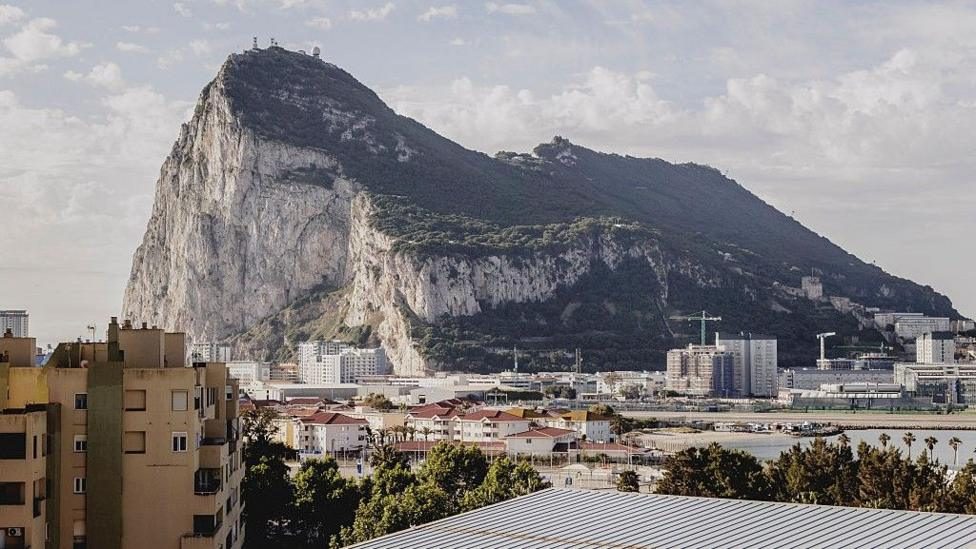
The dismantling of the frontier will integrate the British territory into the EU's customs union and Schengen zone, ending daily bottlenecks for thousands of cross-border workers but introducing new taxes for local businesses.
Starting on 15 July, Spain and Gibraltar will remove the 118-year-old border fence that has separated the two territories. Under a new post-Brexit agreement between the European Union and the United Kingdom, Gibraltar will align with the European customs union and the Schengen free travel zone. Travellers arriving from outside the Schengen area, including the UK, will instead face passport checks at Gibraltar's airport and port.
The change resolves a logistical bottleneck that has long constrained the regional economy. Every weekday, around 15,000 Spaniards cross into Gibraltar for work, frequently facing long queues during rush hours. "The fact that there is a border between us is ridiculous," says Shilpi Chotrani, who commutes daily from the Spanish town of La Línea de la Concepción.
The economic divide across the frontier is stark. Gibraltar boasts one of the highest per capita incomes globally, driven by online gaming, shipping and financial services. Just across the border in La Línea, unemployment sits near 30%, with local businesses deriving roughly a third of their income from Gibraltarian clients.
A new tax regime
For Gibraltar's business community, the agreement brings a mixture of relief and apprehension. While the removal of frontier queues promises greater footfall, the territory must now comply with EU regulations on all goods. Furthermore, Gibraltar is introducing a 15% transaction tax, set to rise to 17%, alongside higher excise duties to replace its previous lack of value added tax.
"For anybody importing goods the scenario changes completely in terms of the paperwork that one is going to have to present to get the goods in," says John Isola, managing director of Anglo Hispano Company. He notes that adhering to EU standards "is a challenge for anybody who is importing goods from the UK or anywhere else outside the EU."
The deal effectively neutralises the sovereignty disputes that have historically flared over the Rock. Chief Minister Fabian Picardo describes the arrangement as bringing "complete and utter fluidity of people and goods" between Gibraltar and the bloc. "This will be huge for human relations, it will be huge for business, it will be huge for frontier workers, it will be a new dawn," he says.