Russian fuel crisis deepens as Ukraine presses allies to accelerate arms supplies
Ukrainian drone strikes on Russian energy infrastructure have triggered fuel shortages in a major Siberian industrial hub, highlighting the economic toll of the war as Kyiv pressures Western allies to accelerate arms deliveries.
Ukrainian drone strikes on Russian energy infrastructure are beginning to strain domestic logistics, with authorities in the Novosibirsk region urging nearly three million residents to work remotely and limit car travel. The remote-work advisory follows a Ukrainian strike earlier this week on a major oil refinery in the neighbouring Omsk region, which knocked out one of Russia's largest processing facilities by capacity.
The fuel supply chain disruptions coincide with a sustained Ukrainian naval drone campaign in the Sea of Azov. Robert Brovdi, Ukraine’s drone forces chief, said his units struck 21 fuel tanker vessels and seven other ships overnight, bringing the total number of vessels hit this week to 76. Russian authorities confirmed one fatality in Taganrog Bay, where a technical support vessel was damaged alongside a methanol-carrying tanker. Rostov region governor Yuri Slyusar said there was no risk of a methanol spill.
Defence industry pressure
As Ukraine pressures Russian logistics, President Volodymyr Zelenskyy is applying similar pressure on Western allies to expedite weapons manufacturing. He announced a shift in diplomatic strategy aimed at ensuring that arms supply agreements, particularly cooperation with the United States on licensing for Patriot air defence systems, are fulfilled faster. "I am preparing changes in Ukraine’s diplomatic efforts. We need a new level of cooperation with our partners to ensure that agreements on arms supplies are fulfilled," Zelenskyy said. "Agreements reached by national leaders must be implemented much more quickly and completely."
The urgency stems from a recent surge in devastating Russian attacks that have exposed critical gaps in Ukraine's air defences. Russia launched more than 120 drones and 12 missiles at Ukraine on Saturday, half of them ballistic, killing eight people. Zelenskyy noted that air defences "managed to shoot down most of the targets, but not the ballistic ones," highlighting the specific capability gap Kyiv needs Western industry to fill.
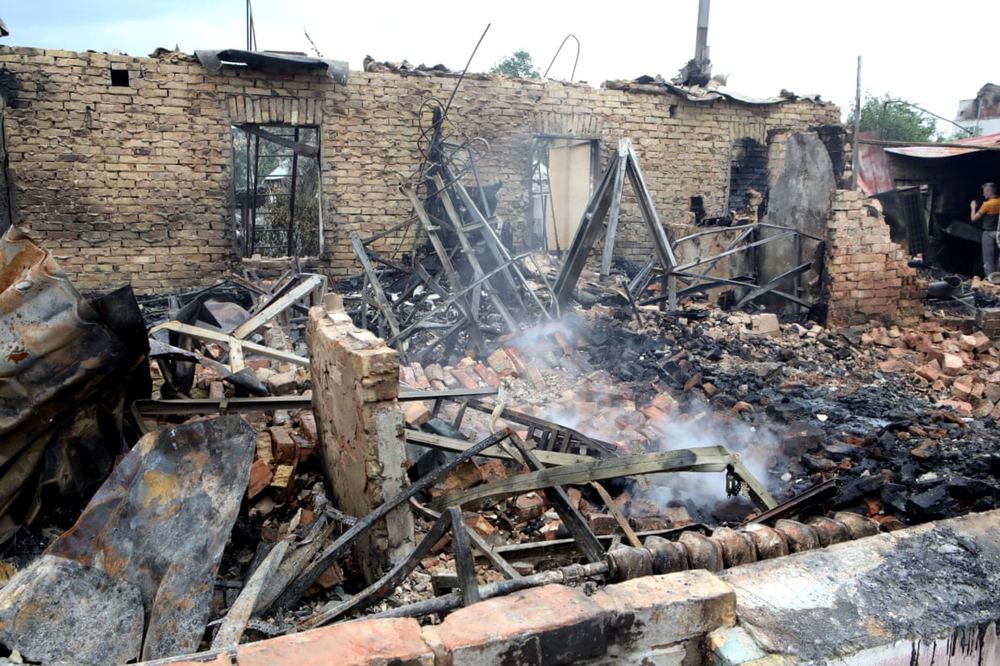
The mounting civilian toll has also forced an internal reckoning within Ukraine's own state defence sector. Zelenskyy pledged accountability after a Russian strike on a residential area in the town of Vyshneve outside Kyiv hit a weapons warehouse, killing 10 people and damaging hundreds of houses. An investigation by the Ukrainian Security Service identified officials at the state weapons producer Ukroboronprom who authorised the warehouse. "This was a direct violation of both the law and a decision of the supreme commander-in-chief’s staff," Zelenskyy said.
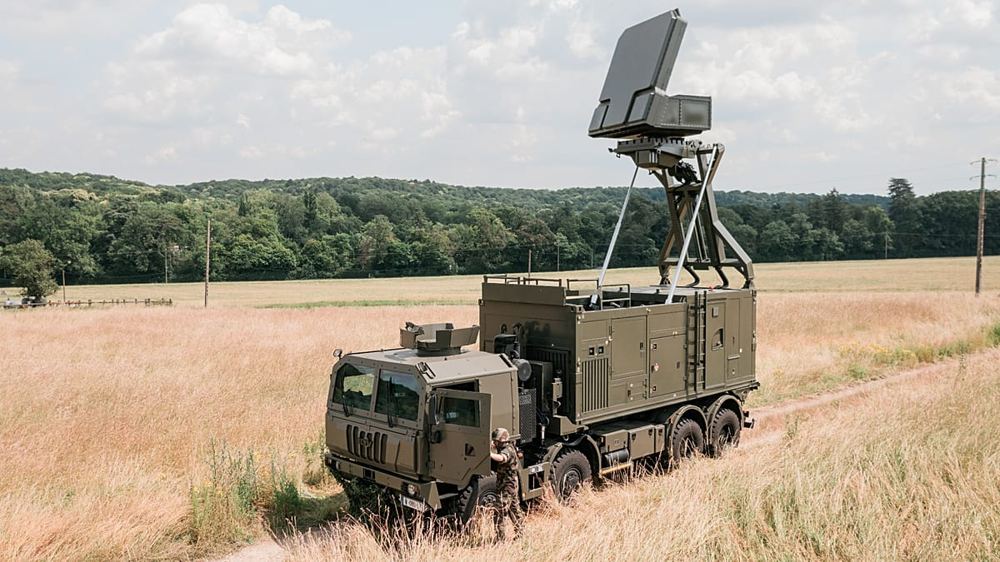
Saturday's attacks injured 12 people in the capital, including two children, after missiles hit civilian infrastructure before air raid sirens could sound. Defence minister adviser Sergiy Sternenko noted that ground-launched missiles are harder for radar to detect. “There is no military logic to such attacks. It is simply terrorism for the sake of terrorism,” he said, while Russia maintained it only struck military and seaport infrastructure. Separately, Moscow's defence ministry claimed its forces took control of the settlement of Bachivsk in the Sumy region, a battlefield report that could not be independently verified.