Ukrainian strikes on Russian oil refineries trigger severe nationwide fuel shortages
Kyiv’s escalating campaign against Moscow’s largest oil facilities has sparked severe domestic fuel deficits, disrupting daily life and threatening the agricultural harvest just as public confidence in the Kremlin hits a post-invasion low.
Ukrainian forces have expanded their drone campaign against Russia’s energy infrastructure, successfully striking all ten of the country's largest oil refineries. The most recent attack on July 6 targeted the Omsk facility, located roughly 2,500 kilometers from the border, deepening a severe domestic fuel crisis.
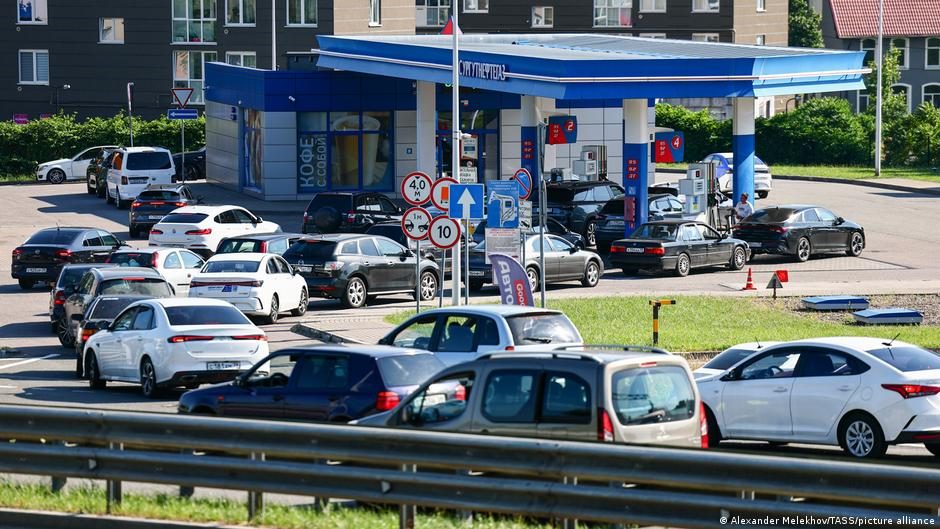
The supply disruptions have left motorists waiting up to 36 hours for gasoline in regions like the Transbaikal city of Chita. Desperation has spawned a black market for queue positions, with some individuals reportedly selling their places for up to 35,000 rubles, or €400. In Gelendzhik, one resident spent the night in her car attempting to refuel, describing the situation as "literally a fight for survival" against both shortages and price-gouging resellers.
This scarcity is forcing a rapid shift in consumer behavior and local commerce. Taxi drivers are canceling longer routes and raising fares, while demand for bicycles surged 131 percent in June on the CDEK.Shopping marketplace. In rural areas, farmers are increasingly purchasing workhorses to replace fuel-dependent machinery for forestry and haymaking.
The fuel deficit poses a direct threat to the agricultural sector right before the harvest. Nina Ostanina, a Duma member, warned that the country could be left without grain, which she described as a potential death sentence under international sanctions. Nearly one-third of Russia's oil refineries are reportedly out of operation.
National and regional authorities deny a systemic shortage, attributing the crisis to panic buying and speculators. Deputy Prime Minister Alexander Novak claimed nationwide demand merely rose 20 to 30 percent and insisted that supply issues are isolated to individual stations. Pskov Governor Mikhail Vedernikov echoed this sentiment, arguing that taxi drivers and small businesses are simply stocking up to protect their incomes.
However, reporting by the independent outlet 7x7 documents that fuel in at least four regions is being restricted to special vehicles and government officials. Ordinary citizens are being forced to adapt, with one Krasnodar resident writing, "Hooray! I'm officially a pedestrian now," after local stations denied her fuel. Meanwhile, Kommersant reports that taxi drivers are increasingly canceling longer trips in major cities, further disrupting urban transport networks.
The economic strain is beginning to erode public support for President Vladimir Putin. A Russian Public Opinion Foundation poll conducted in late June showed his approval rating dropping to 69 percent, the lowest point since the full-scale invasion began. Concerns regarding the cost of living and rising prices are growing among the electorate.
Despite the domestic economic pressures, the crisis has not translated into a desire to end the conflict. A June survey by the Levada Center indicates that direct support for the war actually increased to 30 percent, even as backing for immediate peace negotiations fell to 60 percent.