UN draft links Cyprus settlement to EU-Turkey customs union
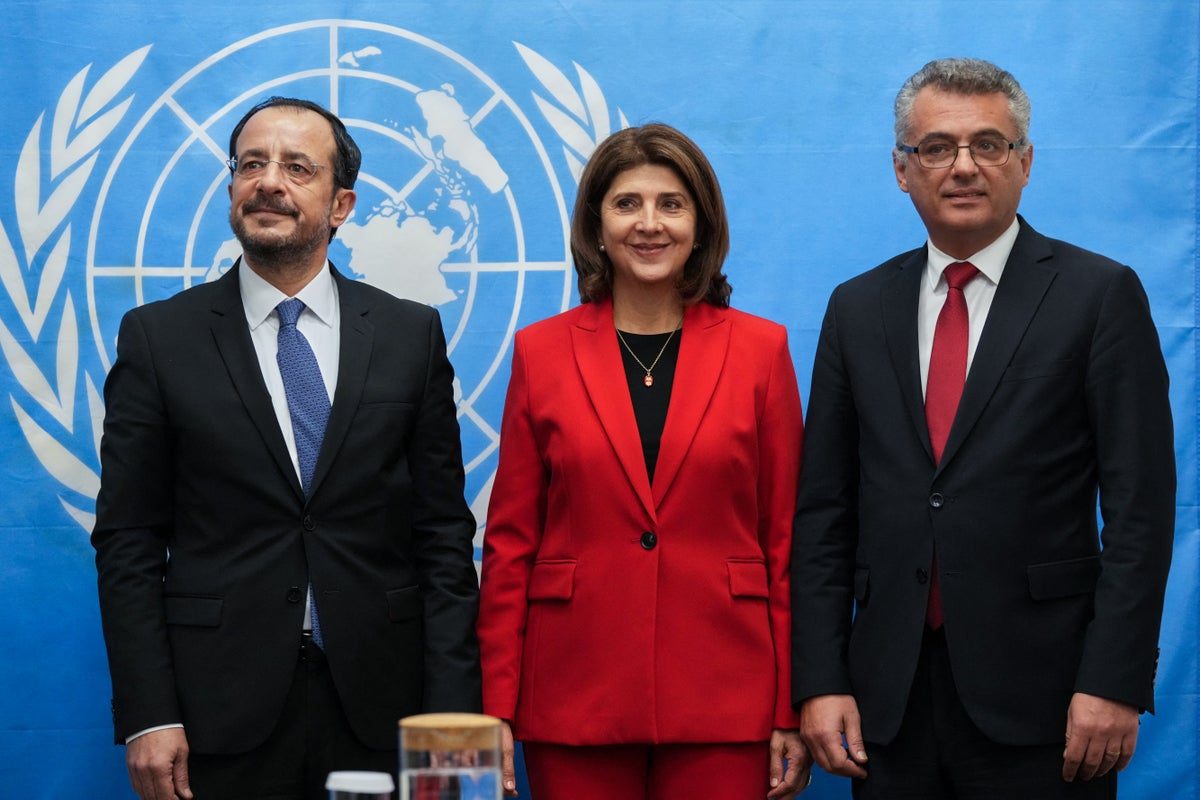
A new UN proposal aims to end the 52-year Cyprus division through a loosely unified state structure that could unlock Eastern Mediterranean natural gas development and revive the EU-Turkey customs union.
The United Nations has drafted a new framework to resolve the five-decade division of Cyprus, replacing the traditional federal model with a looser power-sharing arrangement. UN envoy María Ángela Holguín is pushing a structure relying on "constructive ambiguity" that Greek Cypriots could label a federation and Turkish Cypriots a confederation.
The blueprint drastically reduces shared governance. Day-to-day administration would rest with two constituent states, while a slim central structure would handle only foreign affairs, defence, internal affairs, finance, and European affairs. A rotating presidential council would operate on a 2-1 or 3-1 ratio favouring the Greek Cypriot side, but a proposed decisive vote for a Turkish Cypriot minister aims to guarantee political equality.
For European markets and investors, the proposal's significance lies in its explicit connection to broader regional economics. The draft ties a Cypriot settlement directly to the Turkey-EU customs union agenda. It also raises the prospect of progress on Eastern Mediterranean natural gas exploitation, an asset long stalled by the island's political stalemate.
A two or three-year transition period would introduce direct trade, direct flights, and direct contacts for the Turkish Cypriot side. This would end the economic isolation of Northern Cyprus and ease access to Turkish ports, fundamentally reshaping regional commerce.
In exchange for recognition and autonomy, the unrecognised Turkish Republic of Northern Cyprus (TRNC) would have to cede territory, including the deserted resort of Maraš. The 1960 guarantor system involving the UK, Turkey, and Greece would be scrapped in favour of a NATO formula allowing a small multinational presence.
TRNC president Tufan Erhürman has shown flexibility, stating on Facebook that his primary concern is "the rights, future, equality, security, and engagement with the world of our people". However, Cypriot president Nikos Christodoulides is reportedly more hesitant due to domestic pressures. Spyros Miltiades, deputy high commissioner for Cyprus in London, pushed back on the draft's current status, saying: "As far as I know, there has been no formal UN proposal that either side has been asked to respond to."
Past attempts, including the Annan deal in 2004 and Crans-Montana in 2017, collapsed. Yet Holguín argued in a 1 July statement that a settlement would allow Cyprus to become a "central regional actor" and "an example for the region, for Europe and for the rest of the world."