Ukraine PM quits as Zelensky demands faster European arms
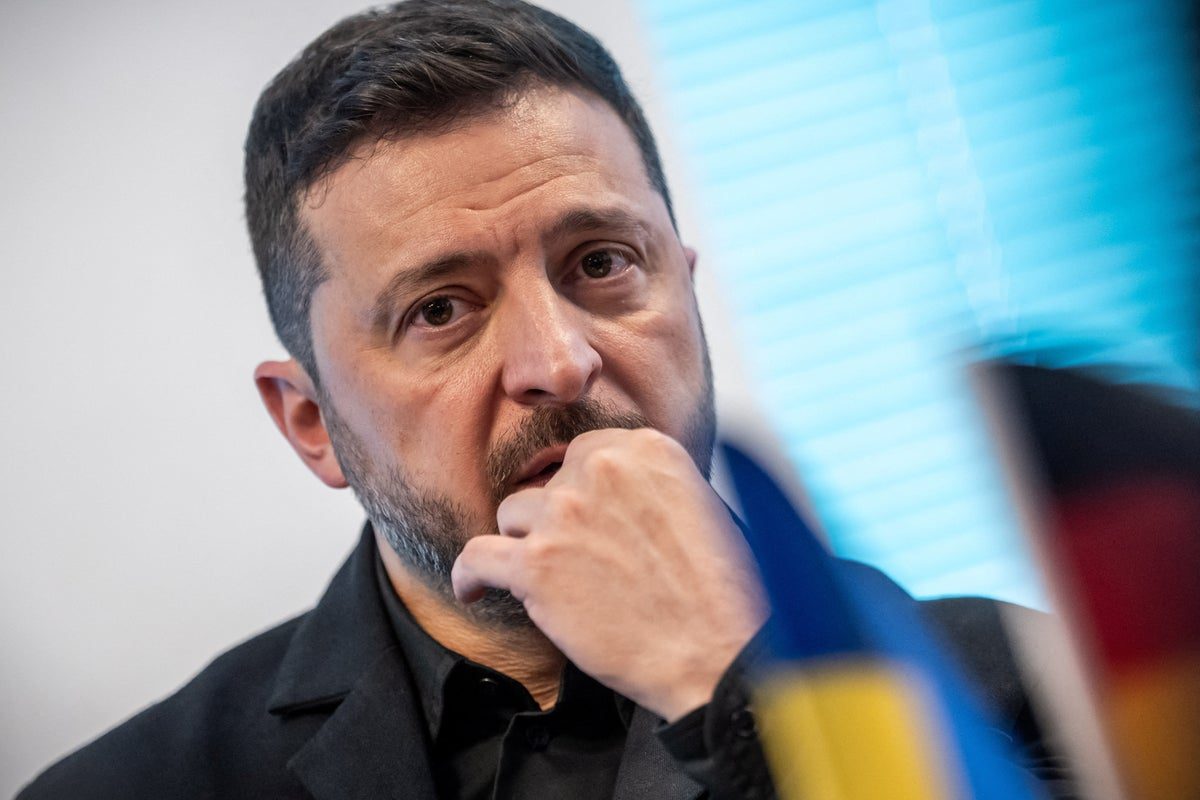
Ukrainian Prime Minister Yulia Svyrydenko resigned as President Zelensky demanded European allies accelerate weapons deliveries following a series of deadly Russian strikes.
Ukraine's government faced sudden upheaval on Sunday as Prime Minister Yulia Svyrydenko stepped down. President Volodymyr Zelensky announced the departure as part of fresh changes to Ukraine's government.
Svyrydenko said she was "proud to have had the honor of leading the government during one of the most difficult periods in Ukraine’s modern history." She stated she remained "ready to serve the Ukrainian state and carry out every task aimed at strengthening Ukraine's position, defending our national interests and bringing a just peace closer."
Her departure coincides with an urgent push by Kyiv to force European and other allied governments to expedite arms deliveries. Following Russian attacks that killed 10 people in Vyshneve, four in Enerhodar and five in Sumy in recent days, Zelensky warned that current diplomatic structures are failing to move weapons fast enough.
The casualties include four killed in a Ukrainian drone attack on the Russian-controlled town of Enerhodar, according to Alexei Likhachev, head of Russian state nuclear corporation Rosatom. Enerhodar is home to the Zaporizhzhia nuclear power plant, which fell to Russian forces in February 2022.
"We need a new level of cooperation with our partners to ensure that agreements on arms supplies are fulfilled," Zelensky said. "Agreements reached by national leaders must be implemented much more quickly and completely."
For European defence contractors and governments, this signals a demand to accelerate production and delivery timelines. The urgency follows a Russian strike on a weapons warehouse in a residential area of Vyshneve that killed 10 people. Zelensky stated the responsible officials had been identified for what he called a "direct violation of both the law and a decision of the Supreme Commander-in-Chief's staff."
The diplomatic landscape facing Europe has also shifted with the death of US Senator Lindsey Graham. Graham had just announced an agreement with the Trump administration to advance a package of sanctions against Russia, creating uncertainty for European markets preparing for new trade restrictions.